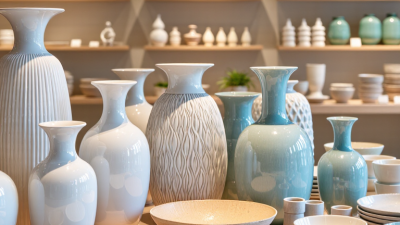
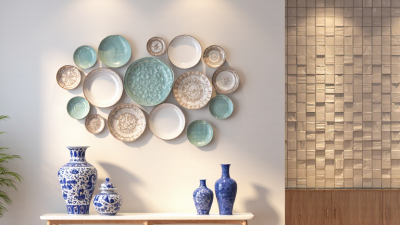
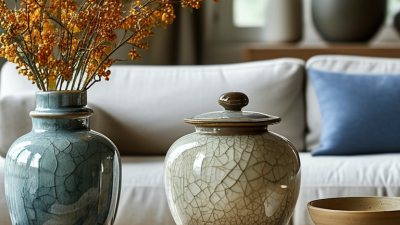
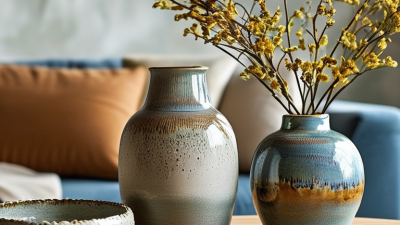
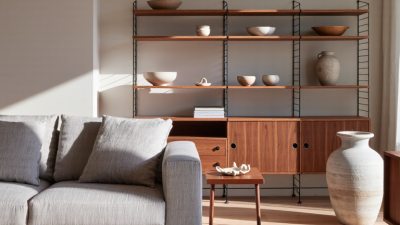
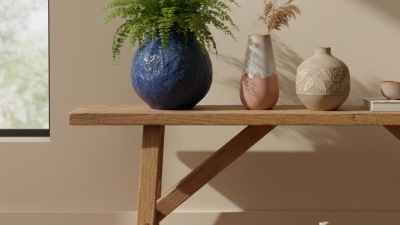
China has really become a go-to destination for sourcing Ceramic Home Decor, whether you're looking at small studio pieces or large-volume collections. This guide dives into manufacturers who really get the balance right—combining design control, material know-how, and reliable export practices. But it’s not just about glossy catalogs with pretty pictures. Things like clay prep, glaze consistency, kiln temps, packaging, and clear communication often make or break a buyer’s experience. A showroom can be super polished, hiding any flaws, but that’s not the real story—that’s what matters.
We focus on the practical stuff: factory capability, sample quality, quality-control routines, support for customization, minimum order quantities, and how ready they are to ship. We look into how they handle common issues like color variations, pinholes, cracks, uneven bases, and how they design their protective cartons. These little details show up when a Home Decor Ceramic Vase finally hits the retail shelf or ends up on a customer’s table. Photos are helpful, sure, but nothing beats actually inspecting the samples, verifying factories, and having clear standards for quality checks. It’s smart to ask for test pieces and get lead times in writing—doing these small checks early on can save you from costly surprises later.
Since China’s supplier scene moves so fast, 'top' shouldn’t just mean the biggest or most famous brands. Instead, it’s about what really fits your needs. Some factories shine at hand-painted finishes, while others excel with consistent molded shapes. And, of course, a responsible comparison should also take into account ethical labor practices, traceability of materials, safe coatings, and compliance with international trade laws. No list is perfect—market info can be patchy, and quality can differ between collections. But, doing your homework carefully can really help narrow down your options and make you feel confident about your choices.
What you’ll find below is an overview of some manufacturers, along with key points to consider—perfect for retailers, designers, importers, or anyone in hospitality who’s after durable, unique, and practical ceramic products.
Ceramic Home Decor Manufacturing in China: Industry Overview
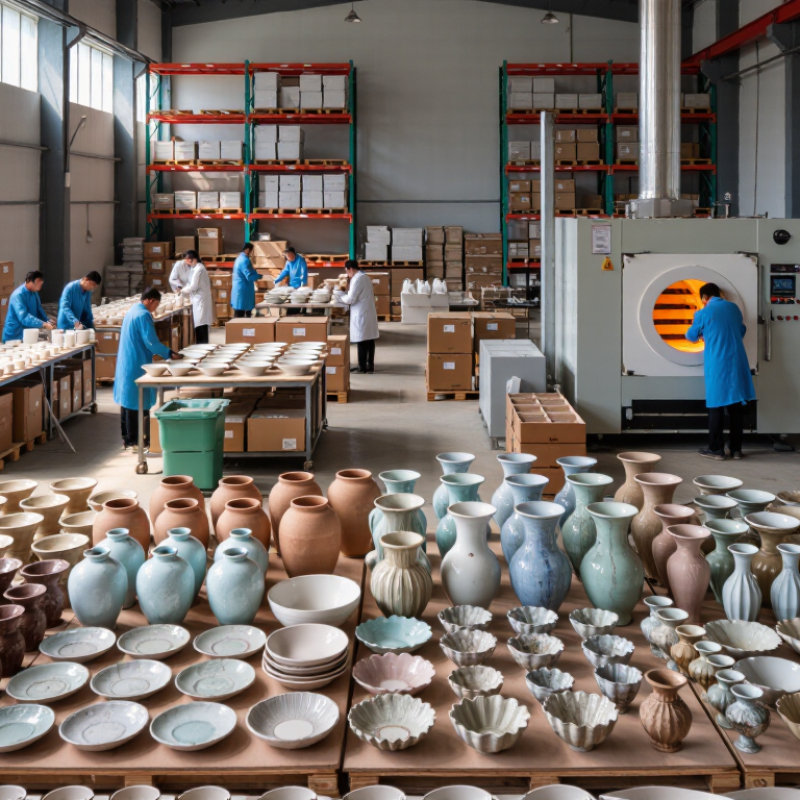
China’s ceramic home decor industry combines traditional craft with efficient factory production. Manufacturers serve retailers, interior projects, hospitality groups, and online sellers worldwide. Production clusters often specialize in vases, figurines, planters, candle holders, and table accents.
A typical process begins with clay preparation, mold forming, drying, glazing, and kiln firing. Skilled teams inspect each stage for cracks, pinholes, uneven color, and weak edges. Tall Home Decor Pieces require careful kiln loading because their narrow bodies can warp under heat. Experienced factories also test glaze adhesion, water absorption, packaging strength, and carton drop resistance. These checks reduce damage during long-distance shipping.
Customization is common, but it needs practical control. Buyers should review clay samples, glaze panels, dimensions, and pre-production pieces before approving larger orders. Handmade textures may vary slightly, even within one shipment. That is not always a defect, though inconsistent color can weaken a coordinated collection. Some factories offer low minimum quantities, while others focus on high-volume production and stable repeat orders. Export documentation, labeling, material declarations, and destination-market safety requirements should be verified early. Ceramic sourcing is rarely perfect. A factory may meet the sample standard yet struggle with packaging speed during peak seasons. Regular inspections and clear written specifications remain essential.
China Ceramic Home Decor Manufacturing: Typical Firing Temperatures
Typical kiln temperatures by ceramic body commonly used for home decor products
Firing temperature is a key manufacturing variable affecting strength, water absorption, surface finish, and dimensional stability. Earthenware is generally fired at lower temperatures, while stoneware and porcelain require higher-temperature kiln cycles. Actual schedules vary according to clay composition, glaze formulation, product thickness, and factory process control.
Reference: Typical industrial ceramic firing ranges used in ceramic engineering and manufacturing practice.
How to Evaluate China’s Leading Ceramic Home Decor Manufacturers
When evaluating China’s leading ceramic home decor manufacturers, begin with evidence, not polished photographs. Ask for factory videos, production records, material specifications, and recent export references. A reliable supplier should explain clay composition, glaze behavior, firing temperature, and quality controls clearly. Experience matters here. A sample may look smooth under showroom lights but reveal pinholes or uneven color in daylight. Check it twice.
Request samples from different production stages, including an approved pre-production piece. Measure dimensions, inspect the base, and test packaging with a practical drop simulation. For a Flower Vase Home Decor collection, confirm water resistance, balance, opening size, and finish consistency. Ask how defects are classified and whether inspection reports are shared before shipment. Clear answers indicate process maturity, though they do not guarantee perfection.
Evaluate communication as carefully as craftsmanship. Do technical drawings remain consistent after revisions? Are lead times realistic during busy seasons? An experienced manufacturer should identify risks early and offer corrective options. I once trusted a beautiful sample too quickly; the bulk finish was slightly darker. That mistake was avoidable. Request written tolerances, signed samples, carton photos, and independent inspection when justified. Also review worker safety and environmental documentation. These details may feel slow, but they protect quality, compliance, and customer trust.
Key Ceramic Home Decor Production Regions and Specialties
China’s ceramic home decor industry is shaped by distinct regional strengths. Chaozhou is known for lightweight household ceramics, including vases, tableware, and decorative figurines. Dehua specializes in smooth white porcelain, often used for minimalist ornaments and sculptural pieces. Jingdezhen remains important for fine porcelain, hand-painted surfaces, and detailed artistic work. Yixing is recognized for its porous purple clay, which suits rustic planters and small vessels. Foshan offers broad ceramic manufacturing capacity, with strong mold development, glazing, and large-scale production.
Regional skill does not guarantee consistent quality. A polished sample can hide uneven walls, pinholes, or weak packaging. Buyers should inspect glaze coverage, base stability, color variation, and firing marks. Ask for test pieces from the same production batch. Confirm clay composition, dimensions, carton strength, and acceptable defect limits in writing. These details matter when products travel long distances. Some workshops excel at hand-finishing but struggle with volume. Others produce efficiently but offer less surface character. That trade-off deserves honest evaluation.
Tips: Match the region to the product style. Request photos under natural light. Check the foot ring and drainage holes on planters. Compare pre-shipment samples with approved samples. Leave room for minor handmade variation, but do not accept structural defects. A smaller workshop may provide richer craftsmanship, yet its delivery schedule can be less predictable.
Product Categories Offered by Chinese Ceramic Decor Makers
China’s ceramic home decor manufacturers offer far more than traditional Flower Vases. Their product categories include decorative jars, candle holders, figurines, wall plates, aroma diffusers, table ornaments, and ceramic lamps. Many workshops also produce planters with drainage holes, matte sculptural pieces, and hand-painted storage containers.Beautiful Vases Home Decor remains popular, but buyers increasingly request coordinated collections with matching finishes.
UN Comtrade data for 2023 records China’s exports of HS 6913 ornamental ceramic articles at approximately US$1.7 billion. This figure shows the category’s strong international reach. Market research from Grand View Research also identifies growing demand for decorative household products, supported by online retail and interior styling trends. Data classifications are broad, though. They may combine simple souvenirs with high-end artisan pieces.
Experienced buyers should check more than catalog images. Ask for clay composition, glaze test results, dimensions, packaging drawings, and carton drop-test records. A White Vase may look smooth online but reveal pinholes under direct light. Handmade variation can add character, yet uneven bases may cause returns. Smaller makers often provide better customization, while larger factories usually offer steadier output. The right category depends on finish, quantity, target room, and acceptable variation—not only the lowest quotation.
Quality Standards, Customization, and Production Capabilities
China Top Ceramic Home Decor Manufacturers?
Reliable ceramic home décor begins with measurable quality, not glossy showroom photos. The 2024 Grand View Research Ceramics Market report estimates the global ceramics market at over USD 400 billion, showing the scale of this sector. However, large market size does not guarantee consistent workmanship. Buyers should request test records for glaze adhesion, water absorption, dimensional tolerance, and heavy-metal migration.
For a Floor Vase Large Home Decor project, manufacturers should explain their forming method clearly. Slip casting supports detailed shapes, while pressure casting improves repeatability for larger pieces. Ask for approved samples, kiln-temperature records, and inspection points before mass production. ASTM C373 provides recognized methods for measuring water absorption in fired ceramic products. ISO 9001-based procedures can also improve traceability, though certification alone proves little without production records.
Customization may include color matching, embossed patterns, matte or reactive glazes, packaging, and logo-free private designs. The 2024 Mordor Intelligence report identifies continued growth in ceramic tableware, driven partly by customized and premium products. Home décor follows similar demand patterns, but oversized pieces create higher breakage risks. Manufacturers should use foam protection, drop testing, and reinforced cartons. Some suppliers promise everything. That is a warning sign. A practical factory should state minimum order quantities, mold fees, sample timelines, firing capacity, and acceptable defect rates in writing. Even experienced buyers should allow room for glaze variation; handmade-looking finishes rarely repeat perfectly.
Sourcing, Pricing, and Export Considerations for Global Buyers
China remains a major sourcing base for ceramic home décor, with production concentrated in Jingdezhen, Foshan, Chaozhou, and Dehua. UN Comtrade data for 2023, under HS 6913, places China among the leading exporters of ceramic ornamental articles. These regions offer different strengths: artistic porcelain, molded décor, low-volume customization, or large-scale production. Global buyers should request factory audits, kiln records, glaze specifications, and recent export references. A polished showroom can hide inconsistent firing quality.
Indicative factory prices often range from US$1.50 to US$8 for small ceramic ornaments, while larger hand-finished pieces may exceed US$40. These figures are practical benchmarks, not quotations. Decoration, packaging, mold fees, and inspection can change the final price sharply. Ask for EXW and FOB prices separately. The World Bank’s logistics research shows that freight costs can vary significantly during supply disruptions. Therefore, compare landed cost, not unit price alone. Sampling is essential. Imperfections appear later.
Export contracts should define tolerances for dimensions, color variation, breakage, carton strength, and replacement terms. ICC Incoterms 2020 helps clarify responsibility for transport, insurance, customs, and delivery risk. For European and North American buyers, packaging tests and product-material documentation deserve early attention. UNCTAD reports that maritime transport carries over 80% of global merchandise trade by volume, so port selection and schedule reliability matter. A small saving on factory price may disappear through delays, damage, or repeated inspections. Some buyers still overlook this. That mistake is expensive.
China Top Ceramic Home Decor Manufacturers? - Sourcing, Pricing, and Export Considerations for Global Buyers
| Product Category | Typical Ceramic Body | Indicative FOB China Price
per Unit (USD) | Common MOQ | Typical Production Lead Time | Common HS Code | Main Export Considerations |
| Decorative Vases | Stoneware, porcelain, or earthenware | $1.50–$8.00 | 300–1,000 units per style | 30–60 days | 6913 or 6912, depending on use and classification | Check glaze consistency, water resistance, rim quality, carton drop protection, and dimensional variation. |
| Dinnerware and Serving Sets | Porcelain, stoneware, or vitrified ceramic | $4.00–$18.00 per set | 500–2,000 sets | 45–75 days | 6912 | For food-contact sales, verify applicable lead, cadmium, migration, and safety requirements in the destination market. |
| Ceramic Planters | Earthenware or stoneware | $2.00–$12.00 | 300–1,000 units per size | 35–65 days | 6913 | Confirm drainage-hole size, frost resistance for outdoor use, water absorption, and inner packaging. |
| Candle Holders | Glazed stoneware or porcelain | $1.00–$6.00 | 500–2,000 units | 30–55 days | 6913 | Test heat resistance, stability, candle fit, soot exposure, and packaging against breakage. |
| Ceramic Figurines and Sculptures | Porcelain, stoneware, or resin-filled ceramic | $2.00–$15.00 | 300–1,000 units | 40–75 days | 6913 | Inspect thin parts, seams, paint adhesion, balance, and breakage rates during pre-shipment inspection. |
| Wall Plates and Decorative Tiles | Earthenware, stoneware, or porcelain | $2.00–$10.00 | 300–1,000 units | 35–65 days | 6913 | Confirm mounting hardware, flatness, color repeatability, edge protection, and installation instructions. |
| Ceramic Table Lamps | Glazed ceramic with metal or textile components | $8.00–$30.00 | 300–1,000 units | 45–80 days | 9405, subject to final product configuration | Electrical components may require destination-market testing, labeling, plug compatibility, and safety certification. |
| Custom-Printed Ceramic Accessories | Porcelain or stoneware with decal or digital printing | $1.50–$10.00 | 500–3,000 units | 45–90 days | 6912 or 6913, depending on product function | Approve color samples, artwork proofs, print-position tolerances, intellectual-property rights, and packaging artwork. |
Pricing and sourcing note: The price ranges are indicative FOB China estimates for standard designs and commercial order quantities. Actual quotations vary with size, ceramic body, glaze, decoration, mold charges, packaging, testing, seasonality, and order volume. Confirm the final HS classification, import duties, product testing, labeling, and customs requirements with the relevant authorities or customs broker before placing an order.
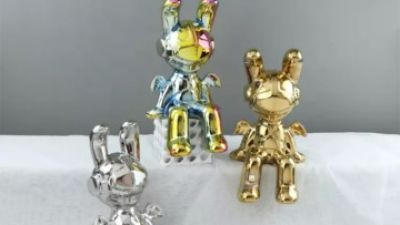
Modern Luxury Ceramic Rabbit Figurine Bookends: A Guide to Gilded Winged Bunny Decor
Modern luxury ceramic rabbit figurine bookends bring a playful yet refined character to contemporary interiors. Inspired by gilded winged bunny decor, each sculptural piece combines a graceful rabbit silhouette with a subtle wing accent, creating strong dimensional appeal on executive desks, living-room consoles, hotel libraries, and boutique displays. Advanced mid-temperature firing supports a durable ceramic body, while electroplated gilded gold, polished silver, iridescent colorful gold, and glossy white glaze provide varied styling options for different design schemes.
The growing preference for expressive, decorative interiors is reflected in market research. Grand View Research has reported that the global home décor market was valued at more than US$680 billion in 2023, with continued growth projected through 2030, while the company’s consumer-goods research highlights rising interest in personalized and visually distinctive home accessories. These trends support the use of functional art—such as sculptural bookends—as a practical way to add luxury detailing without overwhelming a space.
Beyond their role as decorative ornaments, the rabbit figures are designed as a substantial bookend pair for stable everyday use. Their upscale tactile finish and contemporary profile suit hospitality projects, corporate interiors, residential styling, and curated showrooms. Wholesale buyers can request competitive procurement tiers, custom OEM/ODM packaging, and direct-from-source B2B shipping for coordinated retail or interior-design programs.
FAQS
Common products include vases, figurines, planters, candle holders, jars, wall plates, lamps, and table ornaments. Some workshops also make aroma diffusers and hand-painted storage containers.
Production usually includes clay preparation, mold forming, drying, glazing, and kiln firing. Workers inspect surfaces for cracks, pinholes, uneven color, and weak edges. Small defects still happen.
Request records for glaze adhesion, water absorption, dimensions, and heavy-metal migration. Ask for approved samples and kiln-temperature records. Inspect under direct light.
Review clay samples, glaze panels, dimensions, and pre-production pieces before larger orders. Customization may include colors, embossed patterns, matte finishes, packaging, and private designs. Handmade textures rarely repeat perfectly.
Tall pieces may warp during firing because their narrow bodies respond unevenly to heat. Factories should explain kiln loading and support methods. The base matters too.
Use foam protection, reinforced cartons, and internal separators around fragile edges. Request carton drop-test results before shipment. Packaging speed may weaken during peak seasons.
Slight texture or color differences may reflect handmade production. Uneven color, unstable bases, cracks, and sharp edges are more serious concerns. Buyers should define acceptable variation in writing.
Compare forming methods, minimum quantities, mold fees, sample timing, firing capacity, and defect limits. Larger factories may offer steadier output. Smaller workshops may customize better. Neither option is automatically safer.
Conclusion
China’s ceramic home decor industry offers a broad range of products, from decorative vases and planters to tableware, figurines, lamps, and seasonal ornaments. This article explains how global buyers can evaluate reliable Ceramic Home Decor manufacturers by reviewing their production experience, material selection, craftsmanship, factory capacity, quality control systems, and communication standards. It also introduces major production regions in China and highlights how regional specialties influence design, finishing techniques, and product availability.
The guide further explores the product categories offered by Chinese Ceramic Decor makers, along with customization options such as shapes, colors, patterns, glazing, packaging, and private-label development. Buyers will also learn how to assess sampling procedures, inspection requirements, minimum order quantities, lead times, pricing structures, shipping arrangements, and export documentation. With a clear understanding of manufacturing capabilities and sourcing considerations, international customers can identify suitable suppliers, control purchasing costs, and build dependable long-term cooperation.



 Home