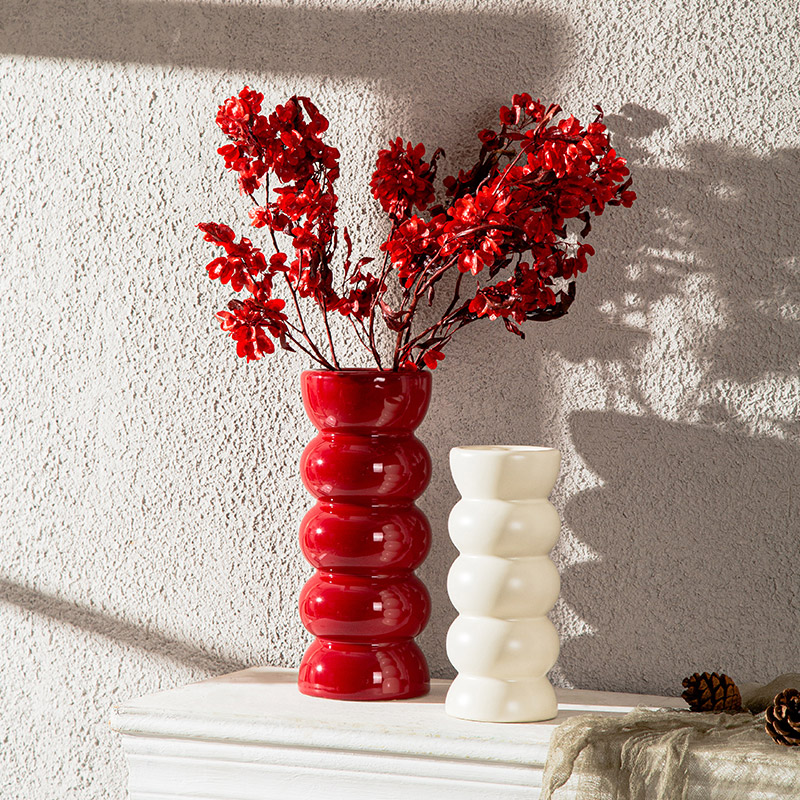
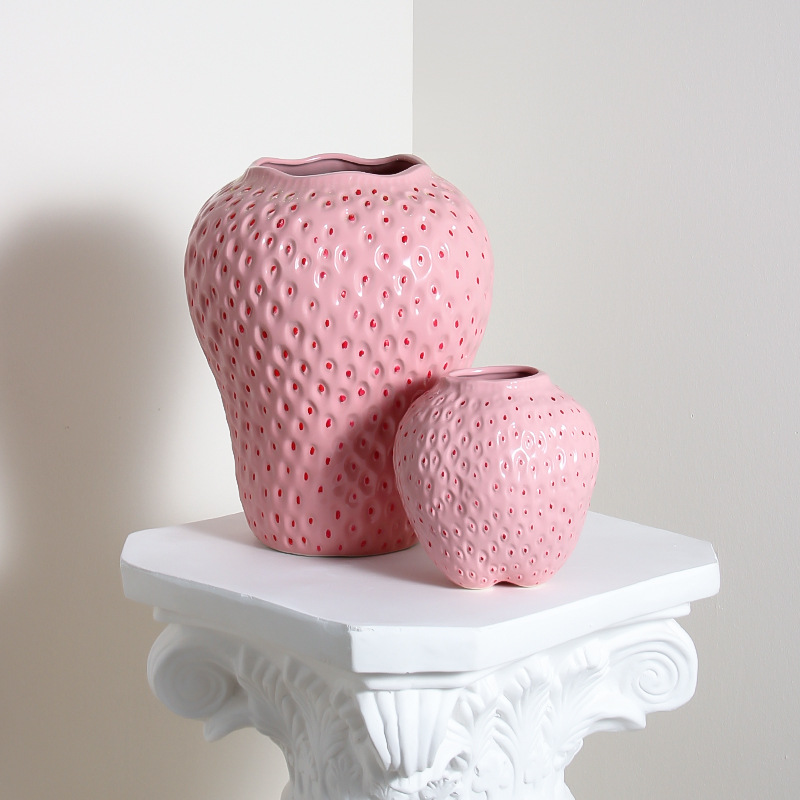
China’s Statement Vase industry is pretty fascinating — it blends traditional ceramic skills with quick, flexible manufacturing. In this guide, I’m gonna introduce you to ten manufacturers who serve buyers worldwide, ranging from well-established ceramic exporters to smaller, design-driven workshops.
We didn’t just pick these based on pretty product photos, though. We looked at factors like how consistent the glaze is, wall thickness, mold accuracy, options for customizing, minimum order sizes, and their experience with exporting. A solid Statement Vase should stand steadily on a shelf, with an even rim—no wobbles or weird pinholes. And let’s not forget packaging—it really matters. Tests for carton compression and good internal foam padding can save you from costly breakages during long-distance shipping.
Edmund de Waal, the ceramic artist, once said that “A vase is a container for a flower, but it’s also a container for thought.” That really hits home, right? It’s why a good Statement Vase needs to strike a balance between function, shape, and visual appeal. If you’re planning to buy in larger quantities, definitely ask for samples, check out the color consistency, and get clear timelines for production. And if the vases might come into contact with food or be in living spaces, make sure to request all the relevant safety and material documentation.
Of course, no list can guarantee perfection. Factory capabilities can shift, and what you see online might just be their best work showcased. Some details will need direct confirmation too. But overall, this guide can serve as a practical starting point for comparing Chinese suppliers. It emphasizes craftsmanship, effective communication, quality control, and reliable international service. Remember, sometimes it’s worth paying a bit extra per piece—because that helps protect your design, delivery schedule, and your reputation in the end.
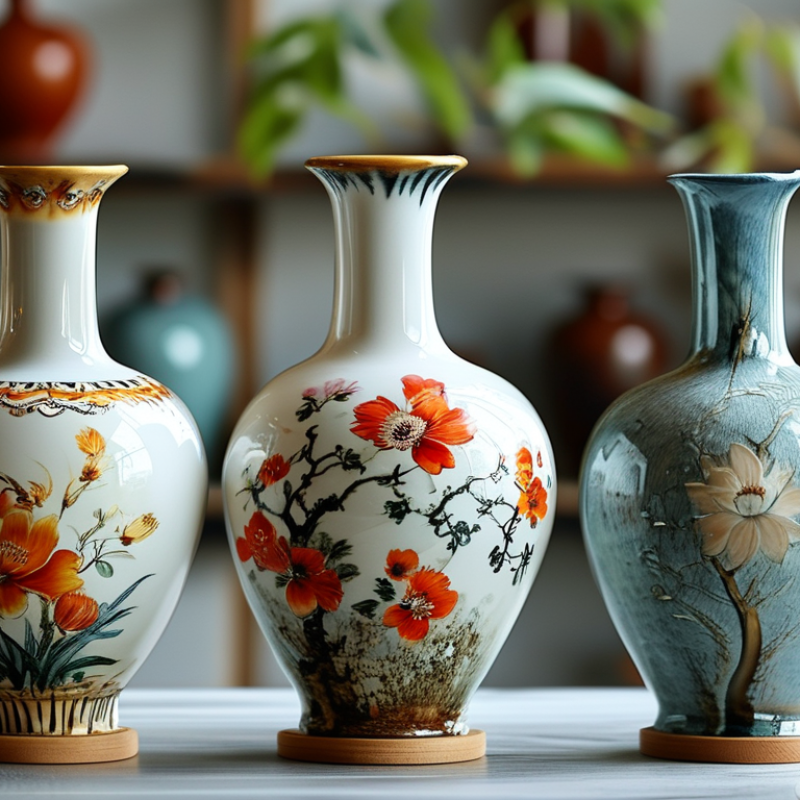
Define Statement Vases and Set the HS 6913 Research Boundary
A Statement Vase is more than a flower container. It is a visually dominant object that shapes a room through scale, silhouette, color, or surface texture. Some pieces resemble sculpture, while others remain practical vessels. A “Vase Inside A Vase” design can create layered depth, but its commercial description must remain precise. Buyers should record height, opening diameter, weight, material, finish, and intended use.
For this research, HS 6913is the working boundary for ornamental ceramic articles. It commonly covers Ceramic Vases made mainly for decoration, including sculptural forms with limited practical use. However, not every Ceramic Vase belongs there. A vessel designed mainly for flowers, household use, or table service may require another classification.
Glass, metal, wood, and plastic products should be researched separately. National tariff extensions may also change after the six-digit HS level.
A careful buyer should compare the product sample with its invoice wording and technical sheet. Check the clay body, glaze, firing method, packaging, and visible function. A catalog image can mislead. I have seen a decorative vessel appear functional until its narrow opening and unstable base were examined. That detail matters. Customs decisions can depend on essential character, documented use, and local interpretation. Therefore, HS 6913 should guide supplier research, not replace a written customs ruling or qualified broker review. The boundary is useful, but never perfectly clean.
Quantify China’s Export Footprint with UN Comtrade HS 6913 Data
China Top 10 Statement Vase Manufacturers for Global Buyers
Quantify China’s Export Footprint with UN Comtrade HS 6913 Data
UN Comtrade data places China among the leading exporters under HS 6913, covering ceramic statuettes and other ornamental articles. In 2023, China’s reported exports in this category approached US$2 billion. The figure includes decorative vases, figurines, and related ceramic products. It does not isolate Statement Vases.
That limitation matters. HS 6913 is a customs category, not a product-quality label. Still, it shows China’s manufacturing depth and global distribution capacity. The United Nations database records strong shipments to North America, Europe, and East Asia. Trade Map data also indicates broad market reach, with many buyers sourcing medium and high-volume decorative ceramics from Chinese suppliers.
For global buyers, export scale should support supplier screening, not replace it. Request kiln-firing records, glaze test results, packaging specifications, and recent inspection reports. Large ceramic pieces need reinforced cartons, corner protection, and moisture-resistant materials. Freight damage can erase a low factory price quickly.
The data is useful, but imperfect.
HS 6913 may combine handmade pieces with factory-produced goods. Country-level figures also reflect re-exports, currency changes, and reporting differences. Buyers should compare UN Comtrade values with shipment records, production samples, and factory audit evidence before ranking manufacturers. Source: UN Comtrade HS 6913 database and ITC Trade Map, accessed for 2023 trade reporting.
China Top 10 Statement Vase Manufacturers for Global Buyers - Quantify China’s Export Footprint with UN Comtrade HS 6913 Data
Top exporter economies for ceramic ornamental articles, used as a trade-based proxy for statement vase manufacturing capacity. Annual reporting year: 2023 | HS code: 6913 | Trade flow: exports to the world.
| Rank | Exporter Economy | UN Comtrade Reporter Code | HS Code | Reporting Year | Export Value (US$) | Net Weight (kg) | Indicative Export Value (US$/kg) |
| Loading verified UN Comtrade data... |
HS 6913 covers statuettes and other ornamental ceramic articles. It is broader than vases alone; therefore, the ranking indicates export-market scale rather than a definitive ranking of individual vase manufacturers. Values and weights are reported by national customs authorities through UN Comtrade.
Source: UN Comtrade Plus | API classification: Harmonized System, HS 6913 | Partner: World | Flow: Exports
Build the Top 10 Longlist from Capacity, Certifications, and OEM Evidence
China Top 10 Statement Vase Manufacturers for Global Buyers
Build the longlist from capacity, certifications, and OEM evidence, not attractive catalogs. UN Comtrade’s 2023 data for HS 6913 helps buyers compare China’s ceramic ornament exports by value, quantity, and destination. Use it as a market signal, not factory proof. A supplier may export heavily while outsourcing production.
Request kiln dimensions, monthly output, forming methods, and peak-season lead times. For a Living Room Tall Vase, check wall thickness, base stability, glaze consistency, and carton drop-test records. Ask for recent ISO 9001 or ISO 14001 certificates. The ISO Survey 2023 records more than 400,000 ISO 9001 certificates in China, yet certification alone does not confirm vase-making capability. Verify the certificate scope and issuing body. Then compare factory videos with audit dates. A polished showroom can mislead.
Tips: Require one recent OEM case with drawings, approved samples, mold ownership terms, and final inspection records. Request three production samples from different batches. Measure height, mouth diameter, weight, and color variation. Keep a scoring sheet. Capacity deserves 40 percent, certification 20 percent, and OEM evidence 40 percent. This weighting is practical, but not universal. Smaller workshops may show stronger craftsmanship than larger plants. That possibility deserves review.
Evaluate Manufacturers by Materials, Kilns, MOQ, and Lead-Time Metrics
For global buyers, statement vase sourcing should begin with measurable production evidence, not showroom photography. Ask which materials are used, including porcelain, stoneware, glass, or mixed clay bodies. Material choice affects wall thickness, weight, glaze behavior, and breakage risk during export. Request fired samples, technical sheets, and recent inspection records before comparing quotations. A reliable manufacturer can explain kiln type, firing temperature, and defect-control procedures clearly. Kiln data matters. Electric kilns may support consistent oxidation finishes, while gas kilns can create wider surface variation.
MOQ and lead time deserve equal attention. A low MOQ may hide higher tooling costs or limited color options. Ask for separate figures for sample approval, production, packaging, and port handover. For example, a 300-piece order may require 25 days after sample confirmation, not from the purchase inquiry.
Confirm monthly capacity, kiln loading schedules, carton testing, and replacement terms for damaged pieces. My sourcing experience suggests that written milestones outperform optimistic promises. Still, no spreadsheet predicts every firing failure or holiday-related delay. That uncertainty needs planning.
Tips: Compare at least three factories using the same specification sheet. Record material grade, dimensions, tolerance, glaze finish, MOQ, and lead-time commitments. Order a pre-production sample and photograph it beside a ruler. Check color under daylight and indoor lighting. Keep a buffer of seven to fourteen days for inspection and freight changes. One missed detail can matter.
Verify Product Safety Through EU REACH, FDA, and Prop 65 Records
When comparing China’s top ten statement vase manufacturers, global buyers should verify safety records before reviewing style or price. A tall ceramic vessel may look flawless, yet hidden risks can remain in glaze, paint, metal trims, or packaging dust. Ask for material declarations, recent laboratory reports, and batch traceability. Tall Vase And Flowers displays deserve the same careful review as ordinary household décor.
EU REACH records should identify restricted substances and confirm testing covers the exact product, glaze, and color. A generic declaration is not enough. For items sold in California, request a Proposition 65 assessment for relevant chemical exposure, including test methods and detection limits. FDA documentation matters when a vase is marketed for food-contact use, such as serving liquid. It should address the finished surface, not only raw clay or glass. Check report dates, laboratory accreditation, sample codes, and importer responsibilities.
Experienced sourcing teams compare documents against production samples. They inspect chipped rims, unusual odors, coating adhesion, and carton contamination. Keep photographs and signed corrective-action records. Certificates can be old. I have seen paperwork match one sample, while a later color change used a different pigment. That uncomfortable gap deserves a second test. Reliable manufacturers welcome factory audits, retain batch samples, and explain failures without vague promises. Safety evidence should follow every shipment.
This chart presents a three-record verification framework for ten anonymous statement-vase manufacturers. REACH, FDA, and California Proposition 65 records should be reviewed against the actual material composition, intended use, and destination-market requirements. The chart shows the required evidence categories rather than making supplier-specific compliance claims.
Compare Supplier Costs Using MOQ, Incoterms, Freight, and Defect Rates
China’s top 10 statement vase manufacturers should be compared beyond factory quotations. A Tall Silver Floor Vase may look inexpensive at the workshop gate, yet packaging, freight, and inspection can change its landed cost sharply. Request the MOQ, carton dimensions, gross weight, and production lead time in writing.
Incoterms & Freight Incoterms define responsibility, not the final price. Under FOB, the buyer usually controls the main ocean booking. Under DDP, the supplier manages delivery, but hidden margins may appear. UNCTAD’s Review of Maritime Transport 2023 states that ships carry over 80% of global merchandise trade by volume. Freight remains a serious variable. Compare quotes against the Freightos Baltic Index, then test at least two shipping weeks.
Quality & Landed Cost Defect rates need evidence, not confident promises. Ask for recent inspection records, sample photos, and an ISO 2859-1 sampling plan. A 2.5% defect allowance can still mean 25 damaged vases in a 1,000-unit order. That matters when each piece has fragile plating or a narrow base. The World Bank’s Logistics Performance Index 2023 also shows major differences in customs and delivery reliability across trading markets. My first supplier comparison looked too neat. I ignored rework costs. A better model is landed cost per accepted unit: product price, freight, duty, inspection, and rejected pieces combined. Suppliers with higher MOQs may reduce unit pricing, but slow inventory turnover can erase that advantage.
Match Each Manufacturer to Global Buyers’ Design and Compliance Needs
Choosing among China’s top ten statement vase manufacturers requires more than comparing catalog photos. Match production strengths to the buyer’s project. Hand-carved ceramic makers suit hospitality interiors seeking irregular silhouettes and tactile glazes. Glass specialists fit retail displays requiring light transmission, color consistency, and polished edges. Metal workshops may serve commercial projects needing tall, stable vessels with weighted bases.
Design is only one checkpoint. Ask for clay or metal specifications, glaze test tiles, wall-thickness data, and packaging drawings. For export orders, verify material declarations, coating safety documents, and labeling requirements for the destination market. A capable factory should explain batch controls, kiln records, inspection points, and breakage procedures.
Request a pre-production sample. Measure its height, opening, balance, and surface finish. Small differences matter. They can change freight costs or display safety. I would not trust attractive photos alone. Some samples reveal uneven rims under direct lighting. That uncomfortable check prevents expensive surprises.
Tips: Build a comparison sheet covering design fit, minimum order quantity, lead time, testing documents, and replacement policy. Confirm custom colors with physical samples, not screen images. For large vases, request carton drop-test evidence and an inner support plan. Keep written approvals. Expectations can drift. A second inspection is worthwhile for seasonal, fragile, or highly customized orders.
FAQS
: Compare porcelain, stoneware, glass, and mixed clay bodies. Material affects weight, wall thickness, glaze behavior, and breakage risk. Ask for fired samples.
Request the kiln type, firing temperature, loading schedule, and defect-control process. Electric kilns may produce steadier finishes. Gas kilns can create more variation.
Ask for separate quantities and costs for samples, tooling, production, and packaging. A low minimum order may limit colors or increase unit costs.
Confirm when lead time begins. It may start after sample approval, not after the initial inquiry. Request written milestones for production and port handover.
Record material grade, dimensions, tolerances, glaze finish, order quantity, and delivery commitments. Use one specification sheet for every factory.
Photograph the vase beside a ruler. Check its color in daylight and indoor lighting. Inspect the rim, base, surface, and overall stability.
Request material declarations, recent laboratory reports, batch traceability, and relevant chemical testing. Reports should cover the finished product, glaze, and exact color.
Check report dates, laboratory credentials, sample codes, testing methods, and detection limits. A generic declaration may not match the delivered batch.
Ask for carton testing, packing photos, replacement terms, and inspection records. Inspect for chipped rims, coating problems, odors, and carton contamination.
No schedule is perfect. Firing failures, holidays, inspections, and freight changes can create delays. Keep a seven-to-fourteen-day buffer. Some uncertainty remains.
Conclusion
This guide presents a practical framework for evaluating China’s top Statement Vase manufacturers for international buyers. It first defines the product category and establishes the HS 6913 research boundary, then uses export data to explain China’s global production footprint. The shortlist is developed through measurable indicators such as manufacturing capacity, certification readiness, OEM experience, material options, kiln technology, minimum order quantities, and lead times.
The article also explains how buyers can verify product safety through relevant EU REACH, FDA, and California Proposition 65 documentation, while comparing total sourcing costs across MOQ, Incoterms, freight, packaging, and defect rates. Rather than focusing only on price, it connects different manufacturer capabilities with buyers’ design requirements, order volumes, market destinations, and compliance expectations. This approach helps importers identify dependable partners, reduce supply-chain uncertainty, and select decorative vase suppliers suited to their commercial and quality objectives.


 Home