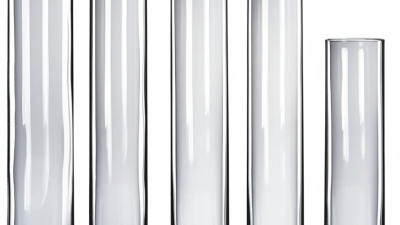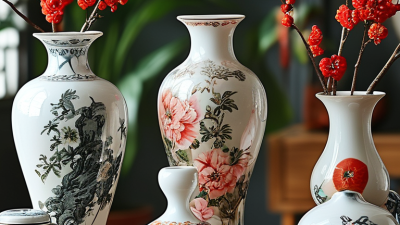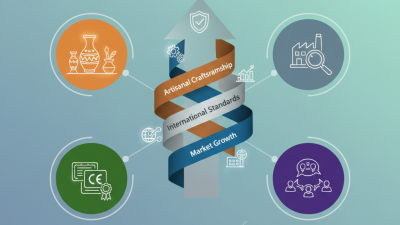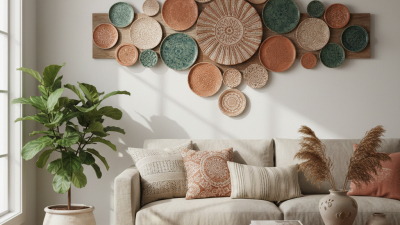
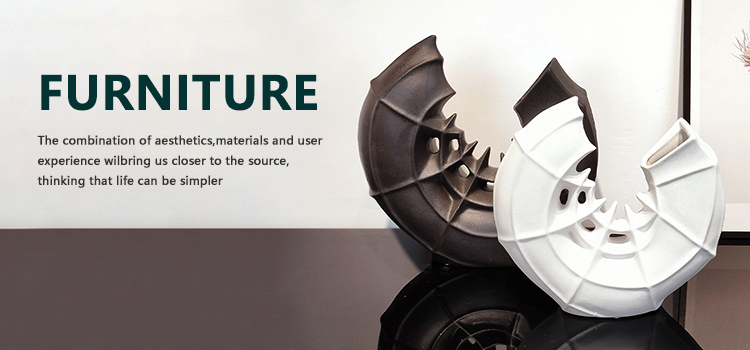
Looking for a top supplier of Tall White Modern Vases in China? That question kind of captures a growing trend—people love clean, sleek vertical accents in their home décor. These white ceramic vases aren’t just for looks anymore; they fit perfectly in hotel lobbies, wedding setups, restaurants, or even modern homes. The Tall White Modern Vase has really taken on a new role — it’s not just about holding flowers. It now works as part of visual branding, seasonal displays, or just tying together a room’s style.
According to Grand View Research, the global home décor market hit about USD 747.75 billion in 2023, and they’re still expecting it to grow through 2030. Just a heads-up though—their figures cover the whole décor scene, not just vases. That’s important to keep in mind because market data just on vases is pretty limited and sometimes inconsistent. So, if you’re a supplier or buyer, make sure you look beyond the pretty numbers and actually check the product details and proof of quality instead of just trusting catchy market claims.
Famous ceramic designer Jonathan Adler once said, “I believe that your home should rise up to greet you.” That pretty much explains why a tall, sleek White Vase works so well. It gives a room a nice focal point without overpowering everything else. Of course, for wholesale buyers, it’s not just about looks—practical stuff counts too. Things like the clay quality, glaze consistency, firing temperature, how stable the base is, and even the packaging test results. Always ask for samples before ordering in bulk, because tiny imperfections can be signs of weak quality control.
Reliable Chinese suppliers should be upfront about their factories, minimum order quantities, and production timelines. Find out if each vase is handmade, machine-made, or a mix of both. When browsing platforms like Alibaba, you’ll see prices and customization options vary a lot, so it pays to compare carefully. The cheapest deal might come with fragile packaging, uneven sizes, or sketchy after-sales support. A trustworthy supplier builds trust through consistent quality, documented inspections, and honesty in communication.
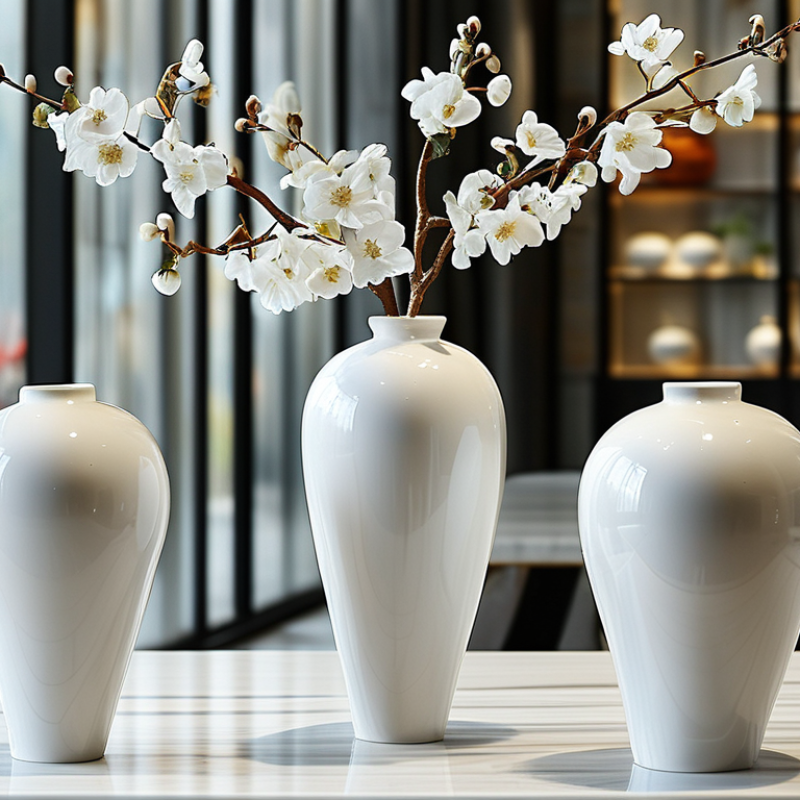
A Tall White Modern Vase is defined by more than its color and height. Its silhouette should feel balanced, with a narrow neck and a stable, weighted base. Clean lines create a calm architectural appearance. The proportions matter.
In practical wholesale sourcing, I examine the vase at eye level and under natural light. A warm white surface can feel softer than a bright porcelain white. Matte finishes hide fingerprints, while glossy finishes reflect windows and furniture. Ceramic, porcelain, and reinforced stoneware each offer different weight and durability. The material should match the intended setting. A display vase needs elegance, but it also needs reliable stability.
Details reveal manufacturing quality. I check the rim for smoothness, the body for pinholes, and the base for wobbling. It should stand firmly on a level table. Not every sample is perfect. A slight glaze variation may add character, yet uneven color across a wholesale shipment can create problems. This is where careful inspection becomes essential. Protective packaging should separate each vase with fitted cushioning, especially when shipping tall, fragile pieces. Dimensions, opening size, carton strength, and loading efficiency also affect the final wholesale value. A dependable supplier should provide clear specifications, consistent samples, and honest responses when a design needs adjustment.
China offers practical advantages when sourcing a Tall White Modern Vase for retail, hospitality, or interior projects. Experienced factories can work with ceramic, porcelain, glass, and reinforced resin. Each material creates a different weight, texture, and shipping risk.
During supplier visits, buyers can review clay preparation, mold quality, glazing, kiln temperatures, and final inspection procedures. White surfaces reveal small pinholes, uneven edges, and color differences. Reliable suppliers usually provide samples before mass production. They also confirm dimensions, carton strength, moisture protection, and drop-testing methods.
Customization is another reason to source from China. Factories may adjust height, opening size, finish, base shape, and packaging design. This flexibility helps wholesalers serve different room styles and price levels. However, low prices can hide weak glazing or poor packing. I have seen attractive samples arrive safely, while larger shipments showed inconsistent finishes. That risk deserves attention.
Clear specifications reduce misunderstandings. Ask for production photos, inspection records, material details, and a written tolerance range. A stable supplier should communicate delays honestly and explain corrective actions. Buyers should also check export documents and shipping terms carefully. China is not automatically the best choice for every order. Yet careful sourcing can deliver consistent Tall White Modern Vase designs with useful customization and competitive wholesale costs.
| Sourcing Dimension | Typical Specification or Benchmark | Why It Matters for Tall White Modern Vases | Recommended Buyer Check |
|---|---|---|---|
| Common Height Range | Approximately 30–80 cm for floor, console, entryway, and hospitality applications. | A broad size range supports different interior layouts and retail price points. | Confirm finished height, opening diameter, base diameter, and product tolerance before production. |
| Main Material Options | Ceramic, porcelain, glass, stainless steel, aluminum, and resin are commonly used for decorative vase production. | Material affects weight, breakage risk, surface finish, shipping cost, and perceived value. | Request material composition, wall thickness, weight, and a physical sample. |
| Popular White Finishes | Matte white, glossy white, satin white, textured white, speckled white, and ribbed white. | The finish determines how the vase reflects light and whether it suits minimalist, Scandinavian, contemporary, or commercial interiors. | Approve a physical color and texture sample under natural and indoor lighting. |
| Shape and Design Formats | Cylinder, oval, bottle, tapered, geometric, arch, fluted, and asymmetrical forms. | Different silhouettes create distinct visual effects while using the same white color palette. | Check stability, center of gravity, base flatness, and compatibility with fresh or dried flowers. |
| Typical Opening Diameter | Often approximately 5–15 cm, depending on whether the design is intended for single stems, bouquets, or display only. | The opening controls flower arrangement options and influences the vase's visual proportion. | Specify the internal opening size, neck depth, and whether a waterproof liner is included. |
| MOQ Structure | Stock designs may allow smaller trial quantities; customized molds, colors, or packaging generally require higher minimum quantities. | The minimum order quantity influences cash flow, inventory risk, and customization feasibility. | Request separate quantities for ready-made designs, color changes, mold development, and custom packaging. |
| Customization Potential | Possible options include dimensions, shape, surface texture, finish, color tone, logo placement, inserts, and retail packaging. | Customization helps retailers and hospitality buyers create a differentiated product range. | Confirm mold ownership, sample approval stages, tooling charges, and production tolerances in writing. |
| Quality Control Points | Inspect dimensions, color consistency, glaze or coating coverage, pinholes, cracks, warping, scratches, base stability, and odor. | Tall products make defects and instability more noticeable and increase the consequences of packaging damage. | Use an approved sample, written defect standards, pre-shipment inspection, and carton drop-test records where appropriate. |
| Packaging Requirements | Individual protective wrapping, molded inserts or foam, inner boxes, strong export cartons, and clear fragile-handling instructions are commonly used. | Protective packaging reduces breakage during handling, container loading, and final-mile delivery. | Approve a packed sample and verify carton dimensions, gross weight, stacking limits, and packaging recyclability. |
| Lead-Time Planning | Ready-made stock, customized production, mold development, quality inspection, and ocean or air transport require separate planning stages. | A realistic schedule helps avoid missed seasonal launches and retail replenishment gaps. | Obtain a written timeline covering sample approval, production, inspection, packing, and shipment booking. |
| Shipping Efficiency | Tall vases are sensitive to dimensional weight, carton volume, stacking efficiency, and breakage exposure. | Packaging design can materially affect freight cost and the number of units per pallet or container. | Compare packed cubic volume, units per carton, pallet layout, and total landed cost rather than unit price alone. |
| Commercial Applications | Suitable for home décor, furniture retailers, floral displays, hotels, restaurants, offices, showrooms, and event styling. | White modern forms coordinate easily with many interior color schemes and display concepts. | Match the design, durability, water resistance, and safety requirements to the intended environment. |
| Buyer Documentation | Product specification sheet, commercial invoice, packing list, carton details, inspection report, and shipping documents may be required. | Complete documentation supports customs clearance, inventory control, and claims management. | Confirm the required country-of-destination labeling, tariff classification, and import compliance before ordering. |
| Best Sourcing Advantage | China offers a broad manufacturing ecosystem for ceramics, glass, metalwork, packaging, mold development, and export logistics. | Buyers can compare materials, finishes, quantities, packaging formats, and customization options within one sourcing program. | Evaluate verified production capability, sample quality, communication, compliance, and landed cost—not price alone. |
Note: The specifications above are common procurement benchmarks for tall decorative vases. Actual dimensions, minimum order quantities, pricing, lead times, packaging, and compliance requirements vary by material, design, order volume, destination market, and customization level.
Choosing a China top tall white modern vase wholesale supplier requires more than comparing prices. For a Modern Large White Vase, inspect the clay body, glaze finish, base stability, and actual measurements. Request a physical sample before placing a large order. A showroom photo can hide uneven rims or visible pinholes. Ask for product specifications, carton dimensions, gross weight, minimum order quantity, and production capacity. Reliable suppliers answer clearly and provide consistent documents.
Tips: Test one sample under bright light. Check its height, opening diameter, color, and weight. Tap the vase gently for unusual cracks. Also review the inner packaging. Thick foam, corner protection, and a strong carton reduce breakage during long-distance shipping. Ask how damaged units are recorded and replaced. Written terms matter.
Communication reveals operational experience. Can the supplier explain glaze variation between batches? Do they confirm inspection steps before shipment? Useful evidence includes recent production photos, inspection records, export experience, and a clear timeline. However, do not trust every certificate without verification. I once focused too heavily on appearance and overlooked carton strength. That mistake increased replacement costs. Supplier evaluation is not perfect, but small checks expose serious weaknesses early. A dependable partner accepts reasonable questions, reports delays honestly, and does not promise impossible delivery dates.
For buyers comparing a China top tall white modern vase wholesale supplier, material selection should come before visual styling. A White Modern Ceramic Vase usually uses stoneware or porcelain. Stoneware feels heavier and more textured, while porcelain offers a smoother surface and cleaner white tone. The International Trade Centre reports that China remains a major global exporter of ceramic household articles, supporting broad wholesale capacity and customization options. However, “ceramic” is not a complete specification. Ask about clay composition, firing temperature, wall thickness, glaze consistency, and packaging tests.
Design choices now extend beyond a plain cylinder. Current wholesale collections commonly include fluted bodies, ribbed finishes, soft organic curves, asymmetrical openings, and narrow-neck silhouettes. The Freedonia Group has identified continued demand for decorative household products with contemporary and multifunctional appeal. Matte white suits calm interiors, while satin or glossy glaze reflects more light in hotel lobbies and retail displays. A rough handmade effect can look authentic, but it may create uneven edges. That is a trade-off.
Other materials deserve attention. Glass creates a lighter visual effect, resin reduces shipping weight, and powder-coated metal supports sharper geometric forms. Yet resin can feel less premium, and metal may show fingerprints. Request physical samples before confirming bulk production. Check base stability, moisture resistance, color tolerance, carton drop performance, and inner padding. I would not trust photographs alone. Small differences become obvious when hundreds of tall vases stand together.
Private-label vase programs now extend beyond printed logos. Buyers can request custom heights, neck openings, ceramic bodies, surface finishes, and retail packaging. A supplier may also provide molded marks, color-matched cartons, barcode labels, and branded instruction cards. For tall white modern vases, sample approval should confirm stability, glaze consistency, rim smoothness, and carton protection.
The global home décor market was valued at about USD 682 billion in 2023, according to Grand View Research. Its report also projects continued growth through 2030.
This demand supports more customized wholesale collections, but customization can raise tooling costs and minimum order quantities. Ask for a clear quotation covering molds, samples, packaging, inspections, and replacement terms. Small details matter.
A practical private-label order may begin with one approved sample and a limited color test. Matte white can look elegant under showroom lights, yet reveal fingerprints during handling. Glossy finishes clean more easily, but may highlight tiny surface waves.
I have found that photographs often hide these flaws. Physical inspection is still necessary. Request production photos, dimensional tolerances, drop-test records, and a pre-shipment inspection report.
The International Trade Centre’s market research emphasizes the importance of packaging and product presentation in international retail. A custom box is useful, but over-designed packaging can increase freight costs without improving protection.
When comparing a Tall Modern Vase supplier, start with the complete landed cost. Ask for the unit price, packaging fee, mold charge, and shipping estimate. A low quotation may exclude reinforced cartons or export packing. Request prices for several quantities, such as 100, 500, and 1,000 pieces. This reveals whether volume discounts are realistic. I once compared two offers too quickly and overlooked a costly inner-box charge.
Quality needs measurable details, not attractive product photos. Confirm the vase height, opening diameter, wall thickness, material, color tolerance, and base stability. For ceramic pieces, inspect glaze consistency and small surface pinholes. For resin or glass, check weight, clarity, and edge finishing. Order a physical sample before approving bulk production. Photograph the sample beside a ruler. It makes later discussions clearer. My early checks focused on appearance, but I learned that carton strength matters just as much.
Order terms can affect risk more than a small price difference. Review the minimum order quantity, sample fee, production time, payment schedule, inspection process, and replacement policy. Clarify whether damaged units require evidence within a specific period. Confirm carton dimensions and pallet details before booking freight. Ask for a written specification sheet. It protects both sides. Be careful with vague promises. A supplier who answers slowly may still produce well, but unclear replies deserve closer review. Small details matter.
A handmade 3D banana ceramic vase brings playful botanical character into modern interiors while maintaining a refined, gallery-inspired presence. Its sculptural silhouette works beautifully on a marble console, an entrance table, or an open shelving unit, where the individual banana motifs create texture and visual movement. Pair it with sculptural branches, tropical foliage, or a simple arrangement of white flowers to balance its vibrant form without overwhelming the surrounding space.
For contemporary dining rooms and hotel lounges, place the vase at the center of a long table with low greenery or leave it empty as an artistic centerpiece. Against neutral walls, polished stone, natural timber, or brushed metal, the glossy mid-fire glaze adds light and dimension. Interior designers can also style it alongside curved furniture, woven accents, and warm ambient lighting to create a modern luxury atmosphere with a relaxed botanical touch. In boutique hospitality settings, a small grouping of varied ceramic objects can establish a memorable focal point across reception areas, suites, and private dining spaces.
Each banana motif is meticulously hand-pasted around the body, while hand-painted details highlight the artisanal character of every piece. The vase functions equally well as a floral vessel or a standalone sculpture, offering flexibility for residential, commercial, and seasonal styling. With direct OEM/ODM manufacturing capabilities, it can be adapted for curated hospitality collections, interior design projects, and lifestyle import programs across Europe and the Middle East.
Check the clay body, glaze, rim, base, and actual measurements. Request a physical sample. Showroom photos can hide pinholes, uneven edges, or a weak base. Samples matter.
Stoneware feels heavier and more textured. Porcelain usually offers a smoother surface and cleaner white color. Glass looks lighter, while resin reduces shipping weight. Metal creates sharper shapes but may show fingerprints.
Common options include fluted bodies, ribbed surfaces, organic curves, asymmetrical openings, and narrow necks. Matte white looks calm. Glossy glaze reflects more light. Handmade effects may create uneven edges.
Ask for height, opening diameter, wall thickness, weight, clay composition, firing temperature, and glaze details. Also request carton dimensions, gross weight, minimum order quantity, and production capacity.
Inspect it under bright light. Compare height, opening size, color, and weight with the specifications. Tap it gently and listen for unusual cracking sounds. Check moisture resistance and base stability. Not always perfect.
Look for thick foam, corner protection, inner padding, and strong cartons. Ask about carton drop testing. Confirm how damaged units are recorded, photographed, replaced, and reported.
Ask about glaze variation, inspection steps, production timing, and delay procedures. Reliable suppliers answer clearly and avoid impossible delivery promises. Recent production photos and inspection records provide useful evidence.
No. Verify certificates and request physical evidence. Photos cannot reveal carton weakness, uneven rims, or batch color changes. I once focused on appearance and ignored packaging strength. Replacement costs increased. That mistake still matters.
A Tall White Modern Vase is defined by its clean silhouette, light neutral finish, and ability to complement contemporary interiors, hospitality spaces, and event settings. When sourcing from China, buyers can access a broad selection of shapes, sizes, finishes, and production capabilities, often with flexible quantities and competitive wholesale pricing. Available materials may include ceramic, porcelain, glass, metal, resin, and durable composite options, with designs ranging from slim cylindrical forms to sculptural and geometric profiles.
Choosing the right wholesale supplier requires careful evaluation of product quality, manufacturing experience, communication, sample services, packaging, and delivery reliability. Buyers should also compare customization and private label possibilities, such as color matching, dimensions, surface treatments, logo placement, packaging design, and tailored molds. A complete purchasing assessment should review unit pricing, minimum order quantities, sample charges, production timelines, payment terms, shipping arrangements, quality inspection procedures, and after-sales support. Clear specifications and a written agreement can help ensure consistent results and a dependable long-term supply relationship.