Leave Your Message
0%

A Large Urn Vase is more than just a pretty vessel — it’s a statement piece that really anchors a space, whether that's a cozy entryway, a spacious garden, or a welcoming hospitality setting. Unlike small flower pots, these massive pieces bring visual weight through their height, size, material, and silhouette, giving a room a sense of grandeur. Usually, you’ll find them made from ceramic, terracotta, stone, metal, fiberglass, or reinforced resin. Some are filled with fresh branches or greenery, while others stand as pure sculptural objects. And honestly, scale makes all the difference — a 70-centimeter tall urn can totally dominate a narrow hallway, especially when placed next to a console table. According to Grand View Research, the global home decor market has been booming — we're talking hundreds of billions of dollars recently, with more growth projected through the decade. So, there's definitely a lot of interest in statement pieces like large urns. But just because the market's hot doesn’t automatically mean every piece is great design — gotta choose wisely.

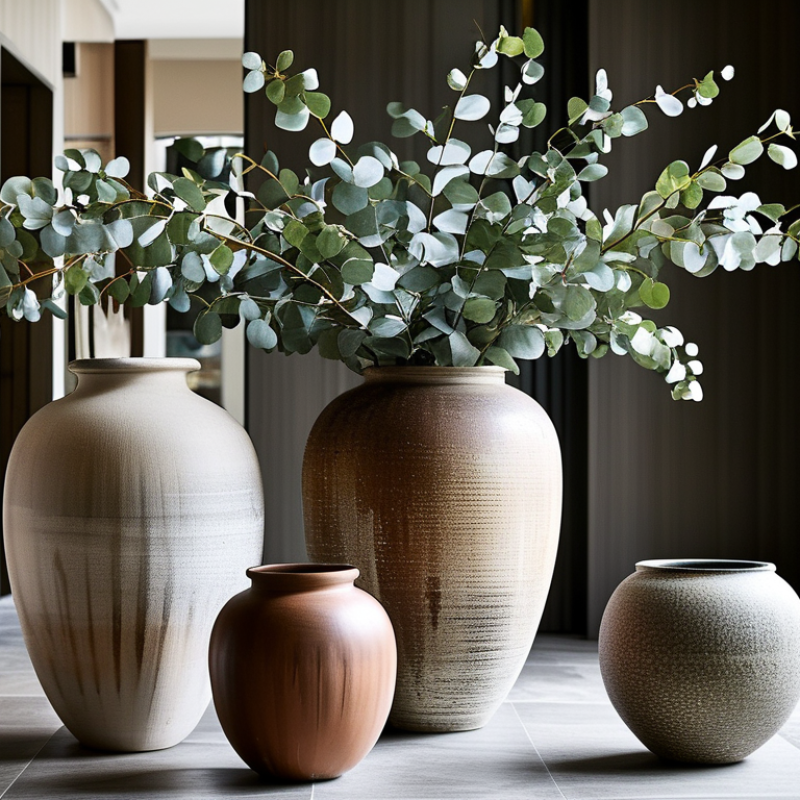
When you're selecting a large vase or urn, it’s all about practical judgment. Interior designers tend to look at things like how well-proportioned it is, the size of the opening, whether it can handle drainage if needed, how much it weighs, and its surface finish. For example, a wide opening works beautifully for eucalyptus, dried grasses, or bold palm leaves, giving you that dramatic, lush feel. On the flip side, a narrow opening means fewer stems and a cleaner, more streamlined look. If you’re planning to put it outside, make sure it’s frost-resistant, UV-stable, and has a secure base — nobody wants it tipping over! Indoors, a few felt pads underneath can help protect your wooden floors or stone surfaces from scratches. The American Society of Interior Designers stresses the importance of function, durability, and comfort — and those factors matter here too. A gorgeous urn can feel a bit off if it blocks movement or feels overwhelming next to your furniture. Honestly, that line between stylish and awkward isn’t always clear. Some oversized vessels look stunning in photos but can seem unstable or out of place in a real home. In the end, this guide is here to help you understand what a Large Urn Vase really is, how pros use it, and when decorative ambitions need to be balanced with practicality — because, let’s be honest, nobody wants a fancy vase that’s more trouble than it’s worth.
What Is a Large Urn Vase and How Is It Used?

Definition and Key Features of a Large Urn Vase

A Large Urn Vase is a tall decorative vessel with a rounded body, narrower neck, and widened opening. Its design often includes a strong pedestal or weighted base. These features create stability and visual height. Traditional urns were made for formal gardens, while modern versions suit entryways, living rooms, and covered patios. Materials may include ceramic, stone, metal, or lightweight resin. Surface details can range from smooth matte finishes to carved patterns.

In practical design work, scale matters more than decoration. A Large Urn Vase should relate to nearby furniture, ceiling height, and walking space. A wide body can anchor an empty corner, while a tall neck draws attention upward. I have found that an urn placed beside a console feels balanced when its height reaches about two-thirds of the wall feature. This is not a strict rule. Sometimes the proportion looks slightly awkward, but that tension can add character. Check the base carefully, especially on polished floors.

Tips: Measure the doorway, shelf, and final placement first. Use dry branches for a light, sculptural effect. For fresh flowers, add a separate liner to protect porous surfaces. Keep the vase away from unstable edges and heavy traffic. A filler may be needed inside. Otherwise, tall stems can tip the vessel. Clean dust with a soft cloth, and avoid harsh products that may dull the finish.

Historical Origins and Cultural Development

A Large Urn Vase is more than an oversized decorative container. Its origins reach back to ancient Greece, Rome, Egypt, and China, where vessels stored grain, water, oils, or cremation remains. Greek amphorae often carried wine and olive oil across the Mediterranean. Roman funerary urns held ashes and marked family memory. In ancient China, ceramic vessels expressed ritual order and social rank.

Over centuries, the urn changed from a practical object into a symbol of ceremony, wealth, and domestic taste. European gardens later used stone urns as architectural focal points, often beside gates, stairways, or clipped hedges. In China, large porcelain vessels supported ceremonial display and reflected advances in kiln technology. A Gold Urn Vase today may borrow these historical signals, even when it holds dried branches instead of sacred contents.

Market data helps explain its modern appeal. UNESCO’s 2022 Re|Shaping Policies for Creativity report states that cultural and creative industries generate 3.1% of global GDP. The 2024 Global Art Market Report recorded approximately 65 billion dollars in global art sales during 2023. These figures do not measure urn vases directly, but they reveal strong interest in designed objects and cultural expression. Interior designers often use large urns to create scale, frame entrances, or soften empty corners. Placement matters greatly. A vase can feel elegant, or strangely oversized. That tension deserves more thought.

Common Shapes, Materials, and Decorative Styles

What Is a Large Urn Vase and How Is It Used?

A Large Urn Vase is a deep, vessel-shaped container with a wide body and narrower neck. It can hold branches, dried flowers, or stand alone as sculpture. Common shapes include classical urns, round amphora forms, tall cylinders, and softly flared floor vases. Each shape changes visual weight. A broad urn feels grounded, while a narrow form draws the eye upward. In practice, scale matters more than decoration. A vase should not block furniture or dominate a walkway.

Materials influence both appearance and maintenance. Ceramic and terracotta offer warmth, but porous surfaces may absorb water. Glass looks lighter and reveals stems clearly. Metal adds structure, although fingerprints and oxidation can become visible. Stone is dramatic but extremely heavy. The Grand View Research home décor report valued the global market at over 680 billion U.S. dollars in 2023, with continued growth projected through 2030. This suggests stronger interest in expressive interior objects, though market growth does not guarantee good styling. Decorative styles range from matte minimalism to hand-textured, rustic, or ornate finishes.

Tips: Measure the opening before buying branches. Leave empty space above the arrangement. Add a waterproof liner inside porous vessels. For floor placement, keep the base stable and away from door swings. I once underestimated visual weight; the vase looked elegant online but crowded a small room. Photos can mislead. Examine surface texture and proportion in natural light whenever possible.

Practical and Decorative Uses in Interior Spaces

A Large Urn Vase is a deep, wide vessel with a narrow neck and a stable base. It can hold flowers, branches, or decorative objects. In interior spaces, its size creates visual weight without adding furniture. I often place one beside a console, fireplace, or empty staircase. The best position depends on walking space and natural light.

Large Vase And Flowers can become a strong focal point in a quiet room. Use tall branches for high ceilings and shorter stems near seating areas. Fresh flowers need clean water and regular trimming. Dry branches require less care, but they may collect dust. A weighted base helps prevent accidental tipping, especially in busy homes. Place felt pads underneath to protect wooden or stone floors.

An urn vase can also stand empty. Its shape may balance plain walls, textured rugs, or low furniture. Neutral finishes usually blend easily, while bold colors need more planning. I have learned that oversized decoration can quickly feel crowded. Sometimes the vase looks better with only three stems. The arrangement may seem unfinished, but that space can make the room feel calmer. Measure the opening before buying flowers, because a narrow neck limits practical choices. Lighting also changes the effect, especially after sunset.

How to Choose the Right Large Urn Vase

A Large Urn Vase is a deep, wide vessel used for flowers, branches, or quiet decoration. In a living room, it can anchor an empty corner beside a sofa or console. The right choice depends on scale, material, and stability, not appearance alone. Measure the space first. A vase should usually stand below eye level when placed near seating. For a floor display, leave enough clearance for walking and cleaning.

Consider the room’s visual weight. A ceramic urn creates a grounded, traditional feel, while glass or metal can look lighter and sharper. Check the opening size before buying. Narrow openings hold a few tall branches neatly; wider ones support fuller arrangements but need more water and care. For a Living Room Large Vase, choose a heavy base, especially in homes with pets or children. I have found that textured finishes hide dust better, although they can be harder to clean around raised details. That trade-off is easy to overlook.

Tips: Place felt pads beneath the base to protect flooring. Add stones or a hidden liner for extra stability. Use dried branches when regular watering is inconvenient. Keep fresh flowers in a separate container inside the urn if the material may absorb moisture. Test the vase in daylight before committing; some colors appear much stronger near a bright window. Be willing to remove it. A beautiful piece can still overcrowd the room.

Placement, Styling, and Safety Considerations

What Is a Large Urn Vase and How Is It Used?

A large urn vase is a deep, wide vessel with a narrow neck or decorative rim. It may hold branches, dried grasses, or stand empty as sculpture. Placement controls its visual weight.

In a foyer, leave at least 90 centimeters of walking clearance around it. On a console, center the urn with surrounding objects kept lower and lighter.

A 2024 Houzz & Home Study reported continued homeowner investment in personalized interiors, but it did not measure vase preferences. That limitation matters; styling advice should not pretend to be universal.

Choose scale before color.

An urn should usually occupy about one-third to one-half of a console’s width. Near a staircase, keep it away from handrails and turning points. On a floor, use a level, non-slip base and check the vessel after filling it.

Water, branches, and children can shift its balance. The U.S. Consumer Product Safety Commission’s 2023 Furniture Tip-Over report estimated about 22,000 emergency-department injuries each year from furniture, television, and appliance tip-overs during 2018–2020. A vase is not furniture, but the stability lesson still applies.

Safety is quiet work.

Avoid placing urns beside heaters, doors, or exposed electrical cords. Keep candles outside the vessel unless it is specifically designed and tested for heat. The National Fire Protection Association reported an estimated 7,400 home candle fires annually from 2016 to 2020. Use battery lighting instead.

A useful, imperfect rule: if the urn wobbles when lightly touched, move it or secure it. Tiny adjustments matter.

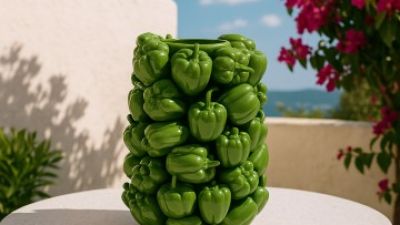
Handmade 3D Green Pepper Ceramic Vase: B2B Sourcing, Customization, and Decor Applications

Designed for boutique hospitality groups, upscale restaurants, hotels, and high-end interior design projects across Europe and the Middle East, this handmade 3D green pepper ceramic vase introduces a distinctive organic character to contemporary interiors. Its sculptural surface is built from individual faceted green pepper motifs, each carefully hand-pasted onto the ceramic body before receiving a luminous mid-temperature high-gloss glaze. The result is a tactile decorative piece that functions equally well as a floral vessel, reception-desk accent, dining centerpiece, or standalone art object.

For B2B sourcing, the vase is available in two practical sizes to support coordinated displays across guest rooms, lounges, retail settings, and event spaces. Custom color development and bespoke finishes can also be discussed to align with a project’s material palette, seasonal concept, or interior identity. Direct OEM/ODM manufacturing capabilities provide a flexible route for professional buyers seeking tailored dimensions, surface treatments, packaging, and repeat production. Whether styled with fresh stems, dried botanicals, or displayed on its own, this ceramic vase offers designers and hospitality purchasers a memorable solution for adding color, texture, and avant-garde geometry to carefully curated environments.

FAQS

What is a large urn vase?

It is a tall vessel with a rounded body, narrow neck, and widened opening. Many designs include a weighted base for stability. It can hold branches or stand empty as sculpture.

Which materials are commonly used?

Common materials include ceramic, stone, metal, and lightweight resin. Surfaces may be matte, smooth, or carved. Material affects weight, texture, and placement.

Where can a large urn vase be placed?

Suitable locations include entryways, living rooms, covered patios, and garden areas. A wide body can anchor an empty corner. Keep it away from doors and busy walkways.

How should I choose the right size?

Compare the urn with nearby furniture, ceiling height, and walking space. On a console, it may occupy one-third to one-half of the width. This is not a strict rule.

How much walking space should remain around it?

Leave about 90 centimeters of clearance in a foyer. Keep urns away from stair rails and turning points. Measure before moving.

How can I prevent the vase from tipping?

Place it on a level, non-slip base. Add a suitable filler when using tall branches. Water, children, or uneven floors can change its balance. If it wobbles, relocate or secure it.

Can I use fresh flowers inside a large urn vase?

Yes, but use a separate liner inside the vessel. The liner helps protect porous surfaces from water. Check the weight after adding flowers. It may still feel unstable.

How should I clean and maintain it?

Remove dust with a soft cloth. Avoid harsh cleaners that may dull the finish. Keep the vase away from heaters and exposed electrical cords. Small maintenance details matter.

What styling details create a balanced display?

Use dry branches for a light, sculptural appearance. On a console, center the urn and keep nearby objects lower. A slightly awkward proportion can add character. Not every room needs perfect symmetry.

Conclusion

A Large Urn Vase is a substantial decorative container recognized by its rounded body, narrow neck, and often flared opening. Traditionally inspired by ancient vessels used for storage, ceremonies, and memorial purposes, urns have developed across cultures into objects that combine function with artistic expression. They may be made from ceramic, stone, metal, glass, or resin and can feature smooth modern surfaces, carved patterns, painted details, or aged finishes. Their shapes range from classic pedestal urns to simple contemporary forms.

In interior spaces, a Large Urn Vase can hold flowers, branches, dried arrangements, or stand alone as a sculptural accent. Choosing the right piece involves considering its size, proportion, material, color, and relationship to the surrounding décor. It should be placed where its scale feels balanced, such as an entryway, living room corner, dining area, or covered outdoor setting. Stable positioning, a level surface, and careful weight distribution are important, especially in homes with children or pets.
Sophie

Sophie

Sophie is a dedicated marketing professional at Shenzhen Yalang Home Furnishing Accessories Co., Ltd., where she has been instrumental in showcasing the company's core brand, "Yalang Home," since its establishment in 2014. With a deep passion for high-quality ceramic home accessories, she leverages......
Previous China Top Tall White Modern Vase Wholesale Supplier?