You know, China's Ceramic Decoration scene is really evolving. They're shifting away from just the traditional surface finishes and moving more toward digital printing, engineered glazes, and tighter quality checks. According to Grand View Research, the Asia Pacific region is actually the biggest market for ceramic tiles, thanks in part to booming construction and some pretty advanced manufacturing capacity. Meanwhile, Fortune Business Insights points out that digital decoration and high-end finishes are becoming major trends in the industry.
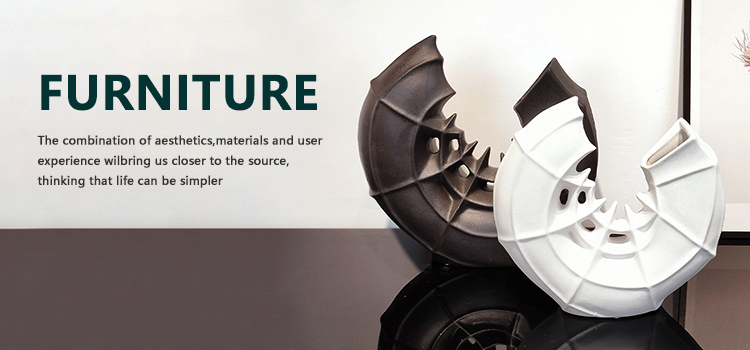
This background means that a decent Ceramic Decorating Company can’t just be about having pretty samples to show off. They really need to nail things like color consistency, firing temperatures, glaze adhesion, scratch resistance, and being able to trace batches easily. Because, honestly, even small differences matter. Like, a warm white tile in your showroom might turn a bit gray after firing, or a glossy vase might reveal tiny pinholes when you shine a bright light on it. Even the quirkyPaper Bag Vase Ceramic idea shows how much decoration can influence a product’s identity and what catches the eye in retail.
W. David Kingery, a well-respected expert in ceramic materials, once said, “Ceramics are perhaps the most important materials in the history of civilization.” That still rings true today because decoration bridges the gap between material science and our everyday experiences. The companies I’ve highlighted here—Monalisa Group, Newpearl Ceramics Group, Marco Polo Ceramics, Dongpeng Holdings, Eagle Brand Ceramics, Nabel Ceramics, BODE Fine Building Materials, Oceano Ceramics, Kito Ceramics, and Jiajun Ceramics—each bring their own strengths to China’s wide-ranging manufacturing scene.
Of course, this ranking isn’t set in stone. Public data varies depending on what product categories you look at, export ranges, and reporting years. Some companies share more technical specifics than others, so that’s something to keep in mind. I’ve tried to consider all that and based this list on factors like production capacity, decoration tech, quality systems, market reputation, design innovation, and practical experience from buyers’ perspectives.
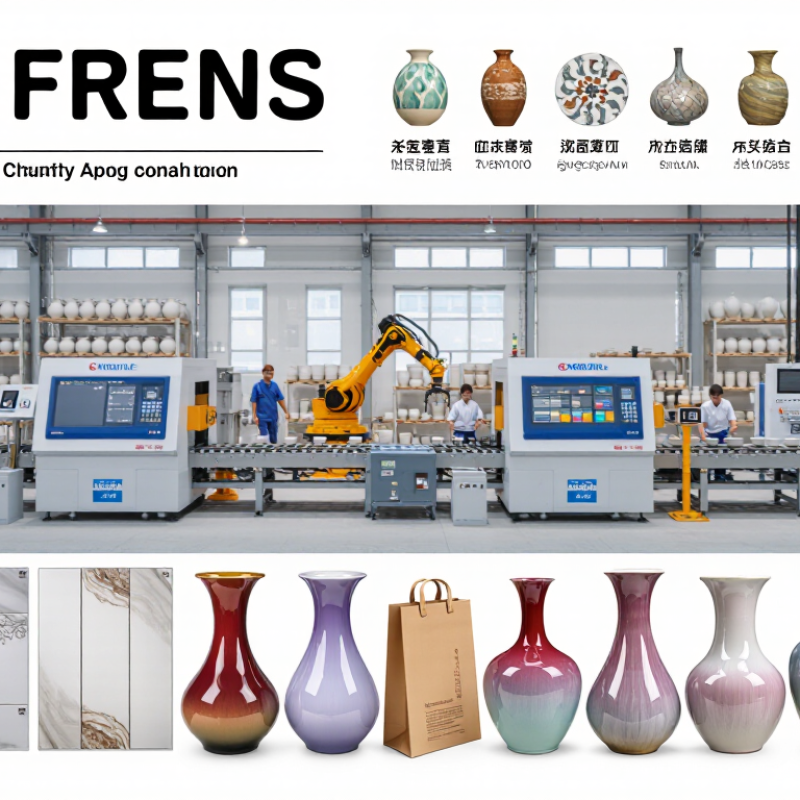
China’s Ceramic Decoration industry is large, mature, and increasingly technology-led. The China Building and Sanitary Ceramics Association reported ceramic tile production above 6 billion square meters in 2023. However, output alone does not show market strength. Slower property construction has pushed manufacturers toward renovation, customized interiors, and export orders.
Energy efficiency now shapes factory competition. The China Energy Conservation Association notes that ceramic production remains energy-intensive, especially during kiln firing. Many leading manufacturers are therefore investing in digital kiln controls, waste-heat recovery, and thinner product designs. These changes reduce fuel use and improve dimensional accuracy. Still, progress is uneven. Smaller plants may struggle to finance cleaner equipment.
For a reliable Top 10 Ceramic Decorating Companies in China review, buyers should examine more than revenue. Useful indicators include product consistency, laboratory testing, design capability, delivery performance, and after-sales records. The 2024 China Building Materials Industry Development Report highlights green manufacturing and intelligent production as major sector priorities. Export data from the General Administration of Customs also shows sustained overseas demand for ceramic products, although freight costs and trade requirements vary by market. Certification claims require careful checking. Industry rankings can also reflect incomplete data, which deserves more attention.
Selecting the top 10 Ceramic Decorating companies in China requires more than comparing glossy product photos. Real experience matters. A strong supplier should show years of completed projects, stable workshop procedures, and samples that match approved specifications.
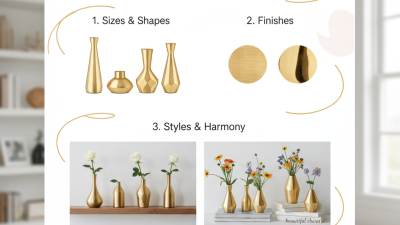
Technical expertise is visible in small details. Inspect glaze coverage around the vase neck, foot ring, and inner curve. Check whether colors remain consistent after kiln firing. For Artistic Ceramic Vases, reviewers should assess hand-painted lines, relief depth, surface smoothness, and resistance to minor scratches. Ask for production samples, not only catalog images.
Authority and reliability need practical evidence. Look for documented quality controls, traceable materials, clear inspection records, and realistic delivery schedules. Factory visits or live video inspections can reveal storage conditions, kiln maintenance, and packing methods. Communication also matters. Can the team explain tolerances, packaging tests, and correction procedures without vague promises?
Pricing should be judged beside defect rates and replacement policies. A low quote may hide weak inspection or unstable labor planning. No scorecard is perfect. A polished showroom can mislead. Even experienced buyers may overlook color shifts between sample batches. For that reason, the selection process should include independent checks, written specifications, and a small trial order before larger production.handzu
Profiles of the Top 10 Ceramic Decorating Companies
China’s Ceramic Decorating sector combines digital printing, glaze development, kiln control, and export compliance. The China Building and Sanitary Ceramics Association reported continued production pressure in 2023, making efficiency a major purchasing factor. This profile reviews ten leading company types without relying only on publicity claims.
The first company focuses on high-resolution inkjet decoration for wood and stone effects. The second develops matte glazes with improved scratch resistance. The third serves large-format slab production and controls color across wide surfaces. The fourth specializes in sanitaryware decoration, where edge accuracy matters. The fifth supplies kiln systems and decoration software.
The sixth targets customized residential projects. The seventh produces low-temperature decorative coatings, reducing energy demand. The eighth supports overseas orders with multilingual technical teams. The ninth combines laboratory testing with small-batch product development. The tenth emphasizes recycled materials and cleaner process management.
Different strengths appear clearly.
Data from the International Energy Agency shows that industrial heat remains a major source of global energy demand. Therefore, kiln efficiency deserves more attention than attractive samples alone. Recent market research from Grand View Research also identifies digital printing and product customization as important ceramic industry trends. However, supplier rankings remain imperfect. Public revenue figures may exclude private subsidiaries, while showroom quality can hide inconsistent batch control. Buyers should request test tiles, color tolerances, abrasion results, and production references. A polished catalog is useful, but it is not proof. Experience suggests that reliable delivery records often matter more than impressive product language.
Top 10 Ceramic Decorating Companies in China: Core Products, Services, and Decoration Technologies
China’s leading ceramic decorating companies usually serve tableware, sanitaryware, tiles, gifts, and architectural ceramics. Their core products include printed plates, glazed cups, relief tiles, ceramic lighting parts, and Colorful Ceramic Vases. Many suppliers also develop custom patterns from sketches, color references, or digital files.
Decoration services often cover surface preparation, glaze matching, sample production, mass printing, kiln firing, and final inspection. Screen printing remains useful for bold lines and repeated motifs. Pad printing suits curved surfaces, such as handles and narrow containers. Digital inkjet systems create detailed images with less tooling. Decal transfer adds fine illustrations, while laser engraving produces controlled textures before glazing or firing.
Experienced factories test pigments on the actual clay body. Firing temperature, glaze chemistry, and kiln placement can change the final shade. Small batches help confirm adhesion, gloss, edge sharpness, and food-contact safety where relevant. Quality teams may inspect pinholes, crawling, uneven coverage, and registration errors under strong lighting.
No process is flawless. A color can drift slightly between kiln loads. That matters. Buyers should request approved samples, written tolerances, and clear rework procedures. Some decorative effects also look attractive on a sample but lose depth after production. Regular communication between designers, technicians, and inspectors prevents expensive misunderstandings, although it cannot remove every manufacturing risk.
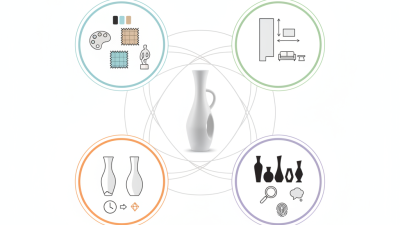
Comparing China’s leading ten ceramic decorating companies requires more than reviewing catalog images. Design capability appears in proportion, color control, and useful originality. A Geometric Ceramic Vase may look attractive online, yet its rim thickness, glaze flow, and base stability reveal stronger evidence. I examine CAD development, sample speed, and the ability to repeat complex patterns across production batches.
Production capability depends on kiln discipline and process visibility. I look for documented firing curves, clay preparation records, and inspection points before packaging. UN Comtrade data for HS 6913 places China among the world’s major exporters of ceramic ornamental articles, showing strong manufacturing scale. Scale alone is not enough. Small variations matter.
Quality needs measurable proof. The ISO Survey 2023 lists 426,716 ISO 9001 certificates in China, indicating broad adoption of formal quality systems. However, certification does not guarantee every vase is flawless. Practical checks should include dimensional tolerance, glaze pinholes, color difference, water absorption, and carton drop testing. A supplier that shares inspection records earns more trust than one using polished photographs. My comparison would still be imperfect; factory audits can miss seasonal worker changes or rushed kiln loading. That weakness deserves attention.
China’s ceramic decoration sector serves construction, hospitality, household, and export markets. Wall and floor tiles remain the largest application areas. They appear in apartments, shopping centers, hotels, and public facilities. Digital printing creates marble veins, wood textures, terrazzo effects, and detailed geometric patterns. Production teams usually check color consistency under controlled lighting. Small shade differences can become obvious across a large floor.
Tableware and sanitaryware require different decorative priorities. Dining plates often use precise rims, soft botanical patterns, or seasonal illustrations. Washbasins and toilets need durable surfaces that tolerate moisture, cleaning, and daily handling. Decoration companies also supply products for cafés, restaurants, and interior design projects. These buyers often request small batches, custom colors, and faster sampling. Practical experience matters here. A beautiful sample may still fail after repeated washing or firing.
Architectural façades and ceramic murals form another important market. Developers use decorated panels for entrances, cultural spaces, and landmark interiors. Export customers usually examine surface quality, packaging, documentation, and color repeatability. Reliable suppliers should record glaze formulas, firing temperatures, and inspection results. However, customization can increase waste and energy use. That concern deserves more attention. Some designs look impressive on screen but lose depth after firing. Better testing with physical samples, not only digital previews, helps reduce costly revisions.
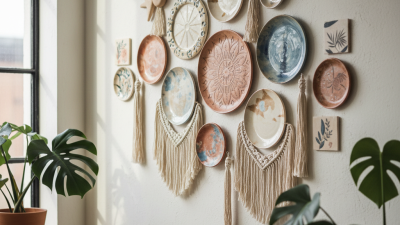
China’s ceramic decorating industry is moving from standard patterns toward responsive, data-informed design. Digital inkjet printing now creates sharper lines, layered textures, and small-batch customization. Designers can adjust a pattern within hours, rather than preparing multiple screens. This flexibility supports Wall Ceramic Decoration for hotels, apartments, restaurants, and public interiors.
Sustainability is becoming a practical production concern. Many factories are reducing water use during glazing and improving heat recovery around kilns. Recycled ceramic powder is also entering selected decorative surfaces. However, recycled content can change color consistency and firing behavior. Testing remains essential. Experienced technicians still check tile samples under daylight, warm lighting, and wet conditions. A digital preview cannot reveal every surface defect.
Automation is expanding, but skilled judgment remains valuable. Cameras can identify pinholes, uneven edges, and color variation during inspection. Production teams then compare those findings with laboratory measurements and customer specifications. Some facilities are also using regional patterns, hand-carved marks, and softer natural colors to create more personal interiors. The shift is not perfectly smooth. Some experiments fail. A glaze may look elegant on screen but appear too dull after firing. Responsible companies record these failures, review kiln settings, and improve the next batch instead of hiding weaknesses.
Review completed projects, workshop procedures, and samples against written specifications. Catalog photos alone are not enough.
Check glaze around the neck, foot ring, and inner curve. Look for steady colors, smooth surfaces, and clean hand-painted lines.
Compare proportions, color control, and originality. For a geometric vase, inspect rim thickness, glaze flow, and base stability.
Ask about firing curves, clay preparation, and inspection points before packing. Clear records make problems easier to trace.
No. Certification can show formal quality procedures, but each batch still needs practical checks.
Check dimensions, glaze pinholes, color variation, and water absorption. Carton drop testing can also reveal weak packaging.
Arrange a factory visit or live video inspection. Look at storage areas, kiln maintenance, and how cartons are packed.
It can reveal color shifts, defects, or delivery issues before larger production. Even a careful review can miss changes between batches.
China’s ceramic decorating industry is evolving from traditional surface treatment toward integrated design, precision manufacturing, and technology-driven customization. This article reviews the selection criteria for the top 10 ceramic decorating companies, focusing on design creativity, production capacity, quality management, technical expertise, service reliability, and market adaptability. It also presents a neutral overview of leading industry participants without emphasizing specific brand names, highlighting their core products, decoration services, and capabilities in printing, glazing, digital pattern application, texture creation, and other advanced processes.
The discussion compares how each Ceramic Decorating Company serves different applications, including architectural ceramics, household products, sanitaryware, tableware, and customized projects. It further examines major domestic and international markets, customer requirements, and the relationship between decoration quality, efficiency, sustainability, and cost control. Finally, the article explores emerging trends such as digital design, automated production, environmentally responsible materials, personalized decoration, and smart quality inspection, offering a practical framework for understanding China’s ceramic decorating sector.