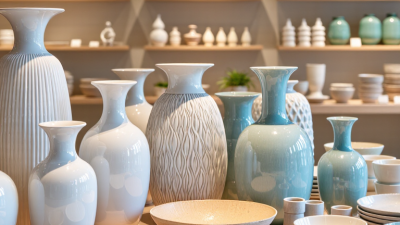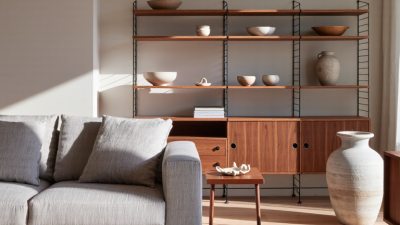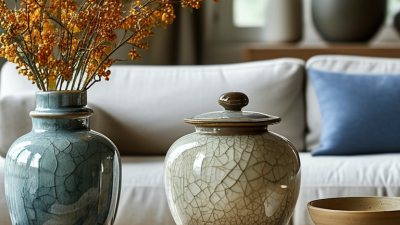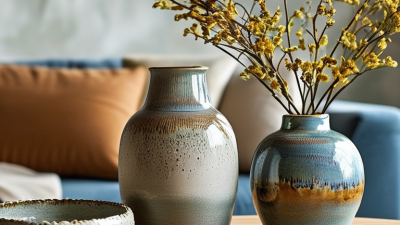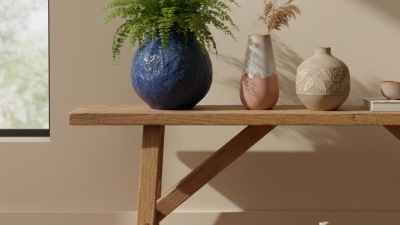
China’s ceramic heritage is pretty rich — it includes everything from hand-painted porcelain and carved reliefs to elegant celadon glazes and even modern studio pieces. These traditions are still a big source of inspiration today, especially when it comes to Ceramic Decor ideas for homes, hotels, galleries, and other commercial spaces. But really, the best designs aren’t just about how they look. They’ve gotta strike a balance — considering colors, size, surface textures, how the room’s lighting hits them, and also how easy they are to care for. For example, a deep cobalt-blue vase can really make a pale shelf pop, while a line of small relief tiles can add some nice depth to a quiet hallway. Little details like that make all the difference, you know?
When it comes to Wall Ceramic Decoration, it can be anything from just a single framed plate to an entire tiled feature wall. Choosing the right setup really depends on the space — its size, how damp it gets, and what kind of finishes you already have going on. If you’re thinking about putting tiles in your kitchen or bathroom, make sure to ask about their suitability, especially how easy they are to clean afterward. And if you’re eyeing decorative objects, it’s worth checking out how the glaze and painted parts hold up to handling — not exactly glamorous questions, I know, but they can save you from ending up with a piece that doesn’t quite fit or look right in the long run.
This guide covers everything from traditional motifs and fresh color combinations to handmade touches and practical tips for arranging your ceramics. It’s also a reminder that you don’t have to splurge to get good quality — sometimes, higher prices don’t mean better craftsmanship. Remember, one style doesn’t fit all. A busy pattern might look fantastic in a large, open space but can feel overwhelming in a tiny entryway. Some suggestions are pretty subjective — personal taste totally comes into play. The goal here is to offer clear, practical options while leaving space for you to experiment and make it your own.
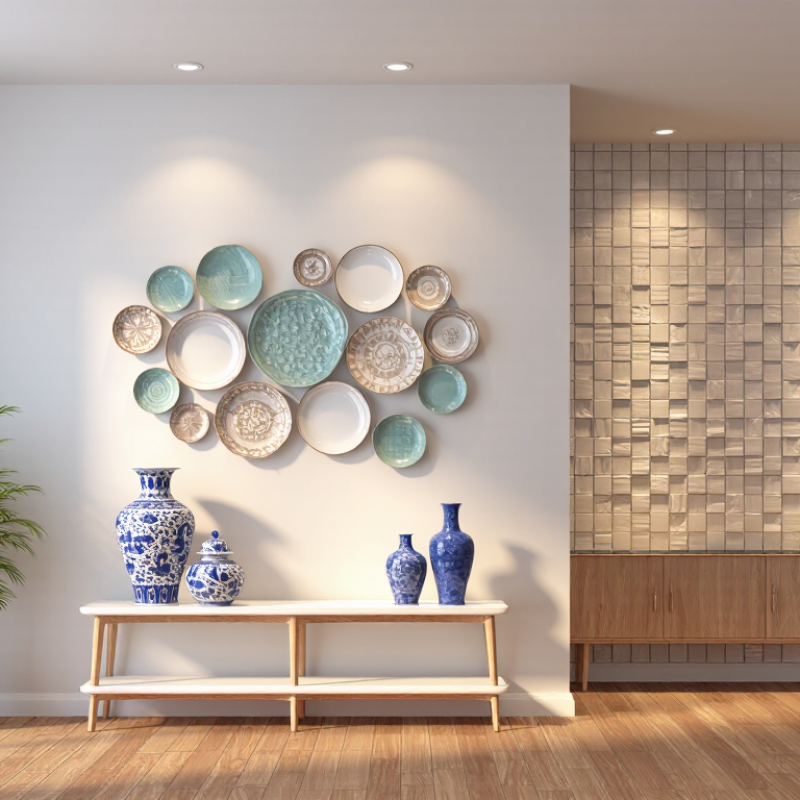
Chinese Ceramic Decoration often begins with the surface. Cobalt-blue underglaze painting creates crisp motifs beneath a clear glaze, while carved lines catch light across celadon. Overglaze enamels add raised flowers, small figures, or bands of color. Each method changes the object’s feel, not just its appearance.
UNESCO’s Intangible Cultural Heritage record, inscribed in 2009, documents Longquan celadon’s traditional firing techniques. That record offers useful context: glaze color and firing are closely linked, so a design cannot be judged by painted detail alone. For a modern room, one celadon vase can add a soft green accent; a blue-and-white bowl suits a brighter, more graphic display. I find the handmade borders especially appealing, though uneven lines can look accidental when the overall design lacks balance.
Tips: Pair one richly decorated piece with plain ceramics. Check the rim and foot for finish, and view the glaze in natural light. A tiny irregularity may be part of the craft—not a flaw to hide.
Chinese ceramic motifs often carry meanings shaped by region, period, and intended use. A blue-and-white dragon may suggest authority or protection, its curling body winding through painted clouds. Yet dragons were not decorative shorthand with one universal meaning; placement and surrounding imagery mattered. Context matters.
Lotus flowers appear on bowls and jars, their layered petals often associated with purity and spiritual life. Peonies, painted in broad, soft-edged blooms, commonly evoke wealth and flourishing, while fish can suggest abundance through a wordplay linking fish with surplus. Bats may also appear as auspicious symbols because their name sounds like the word for good fortune. Look closely. A tiny bat among scrolling leaves can change the mood of an entire design.
Phoenixes often signal renewal or harmony, especially when paired with dragons, though interpretations vary across objects and audiences. In examining a ceramic piece, notice what the motif touches: waves, clouds, fruit, or another creature. Those details help explain the image without turning every pattern into a fixed code. I sometimes find that the simplest reading feels too neat; a maker may have valued balance, color, or visual rhythm as much as symbolic meaning. On a celadon dish, a carved lotus can catch the light differently at every angle.
Blue-and-White Ceramics pair cobalt decoration with a pale, often translucent glaze. The contrast can feel crisp without making a room look busy. Traditional motifs include peonies, waves, clouds, and branching plants, but contemporary designs may use spare lines or open space. Cobalt can shift from soft gray-blue to deep navy during firing. Small details matter.
Underglaze painting adds color before the clear glaze is applied. Artists paint directly onto the unglazed surface, where brush pressure and moisture affect each stroke. On a Ceramic Decoration Vase, a narrow band of leaves can guide the eye around the curved body. Larger motifs need careful spacing because the form distorts their appearance from different angles. Then comes the firing.
The clear glaze protects the painted surface and gives it a smooth finish. Results can vary: cobalt may blur slightly, and fine lines may soften in the kiln. That variation is part of the medium, though it can also make a planned pattern less precise. It is tempting to treat every uneven mark as charm; sometimes it is simply a technical flaw worth studying. A balanced design leaves enough unpainted porcelain for the blue to breathe.
Overglaze enamels add color after a ceramic form has received its glaze firing. The painted details are fired again at a lower temperature, helping colors sit brightly on the surface. A fine brush might place a red petal beside a thin green stem, or outline a small bird in dark pigment. The method rewards patience. Too much detail can crowd a design.
Famille rose is known for soft pink enamel, often paired with greens, yellows, and careful floral scenes. On Ceramic Decoration Items, a spray of peonies or a pair of birds can bring this palette to life. Polychrome styles use several colors, but they need not feel busy: leave areas of white glaze around a border or central motif. Look closely at how colors meet. A slightly uneven line may reveal handwork, though unevenness alone is not proof of quality. I would rather see thoughtful spacing and clear brushwork than ornament on every available surface.
Compare the approximate firing ranges for selected decoration styles. Lower-temperature overglaze enamels are applied over a fired glaze; underglaze cobalt is included as a high-fired comparison.
Temperatures are approximate in °C; actual firing schedules vary with the ceramic body, glaze, pigments, and kiln.
China’s ceramic traditions often reveal their origins through color, glaze, and surface detail. In Jingdezhen, blue-and-white porcelain commonly pairs cobalt brushwork with a pale body. Floral scrolls, landscapes, and river scenes can feel airy, even when the decoration is dense. Look closely. Brush marks vary, and that variation gives a hand-painted piece its character.
Other regions offer different visual cues. Longquan celadon is known for green glazes that can appear soft and misty under indoor light. Yixing pottery, traditionally associated with unglazed clay teaware, emphasizes form and tactile texture rather than painted ornament. In Foshan’s Shiwan tradition, expressive molded figures and vivid details bring a more sculptural quality. These are broad guides, not strict rules; makers and periods differ.
For Home Ceramic Decoration Items, a small bowl or vase can introduce a regional pattern without overwhelming a room. Place blue-and-White Ceramics near natural wood, or let celadon catch light beside a window. Check the foot, glaze, and painted lines when assessing a piece, and ask about its origin when possible. A pattern may look old, but appearance alone cannot confirm age.I still find that subtle glaze differences are easy to miss at first. That is part of the appeal.
Contemporary Chinese Ceramic Decoration often balances traditional craft with clean, modern forms. A celadon vase can sit beside a matte white bowl, letting color and shape do the work. The glaze may show subtle pooling near the foot, while a hand-painted cloud pattern adds movement without covering the whole surface. Try pairing one detailed piece with simpler ceramics. Think quiet contrast. Not every surface needs a motif.
Geometric Ceramic Decoration Crafts offer another contemporary direction. Arrange thin lines, stepped borders, or repeated circles across a plate or tile. These shapes can suggest balance and rhythm without copying historic patterns exactly. On a small tea cup, a single cobalt-blue band may feel more current than a dense design. Slight variations between handmade pieces can add character. They can also look uneven, so test the pattern on paper before decorating a full set.
Tips: Keep a small palette, such as blue, cream, and rust. Sketch the layout at actual size, then leave open space around the main motif. Check how the piece looks in daylight; glossy glaze can make colors appear stronger than expected.
Cobalt-blue designs sit beneath clear glaze. Enamels are painted over glaze and fired again at a lower temperature. The blue looks crisp.
Its soft green glaze and carved lines respond to firing. Light catches the cuts, while glaze may pool near the foot.
It is an overglaze enamel style known for soft pink, often paired with green and yellow. Floral scenes are common.
Leave white glaze around the main motif or border. A few colors often work better than filling every space. Less can help.
Pair one decorated celadon vase with a plain matte-white bowl. Their contrast creates a quiet display.
Thin lines, stepped borders, or repeated circles can create rhythm. Sketch them at full size before decorating a cup or tile.
Check the rim and foot, then view the glaze in natural light. Small irregularities may show handwork, but they do not prove quality.
Glossy glaze can strengthen colors, and hand-painted pieces may vary. A paper sketch helps, though it cannot predict every firing result.
Chinese ceramic decoration brings together centuries-old craftsmanship, visual symbolism, and evolving artistic expression. Traditional techniques such as carving, stamping, and hand painting create texture and detail, while motifs including flowers, dragons, clouds, and landscapes can suggest ideas like prosperity, harmony, strength, and longevity. Blue-and-white designs are admired for their crisp contrast and underglaze brushwork, while overglaze enamels, famille rose, and other polychrome styles offer richer colors and layered compositions.
Regional traditions add further variety, with distinctive patterns and methods shaped by local materials and aesthetics. Today, Ceramic Decoration Ideas also include fresh interpretations that combine traditional forms with simpler layouts, unexpected color choices, or contemporary imagery. Whether a piece is highly detailed or deliberately restrained, its decoration can connect practical craft with cultural stories and personal creativity.