Leave Your Message
0%

A Ceramic Decorating Company takes simple ceramic pieces and transforms them into finished products packed with color, texture, personality, and commercial appeal. Their work might include hand-painting, screen printing, decals, glazing, luster finishes, and firing in the kiln. Each step needs precise temperature control, tested materials, and thorough surface inspections—because even a tiny flaw can totally change the final look. It’s kind of amazing how much detail and care goes into this process.

Industry reports really highlight why this work is so important, too. For example, Grand View Research points out that there's a growing demand for custom ceramic tableware, decorative items, and high-end home pieces. Likewise, Fortune Business Insights notes that the ceramic tableware market keeps growing, thanks in part to hospitality, retail, and consumers wanting durable, stylish designs. But honestly, those reports don’t cover every workshop out there perfectly; they tend to group together manufacturers, decorators, and suppliers, which can be a little misleading. That’s something to keep in mind.

A good Ceramic Decorating Company acts as a bridge between creative vision and production. They can match a glaze sample, protect a printed edge, or jot down firing conditions so future batches stay consistent. It’s also super important that they clearly explain any limitations related to food safety. Smaller studios often offer a more personal touch, with direct supervision, while bigger plants usually have higher capacity and better documentation on hand.

Bernard Leach, a legendary ceramic artist and teacher, once said, “The potter’s wheel is the best teacher.” And honestly, that still holds true. Materials tend to reveal mistakes — and sometimes, they even show you better ideas than you initially had.

A thoughtful, skilled company can design and decorate everything from a hotel collection to a retail line or a unique Paper Bag Vase Ceramic concept. But decoration isn’t just about making something look pretty. It’s a mix of craftsmanship, technical testing, responsible sourcing, and honest communication. When done well, the results aren’t just beautiful—they’re tough enough to handle daily use, washing, shipping, and customer handling. That’s what really makes all the effort worth it.
What Is a Ceramic Decorating Company?

Definition and Scope of a Ceramic Decorating Company

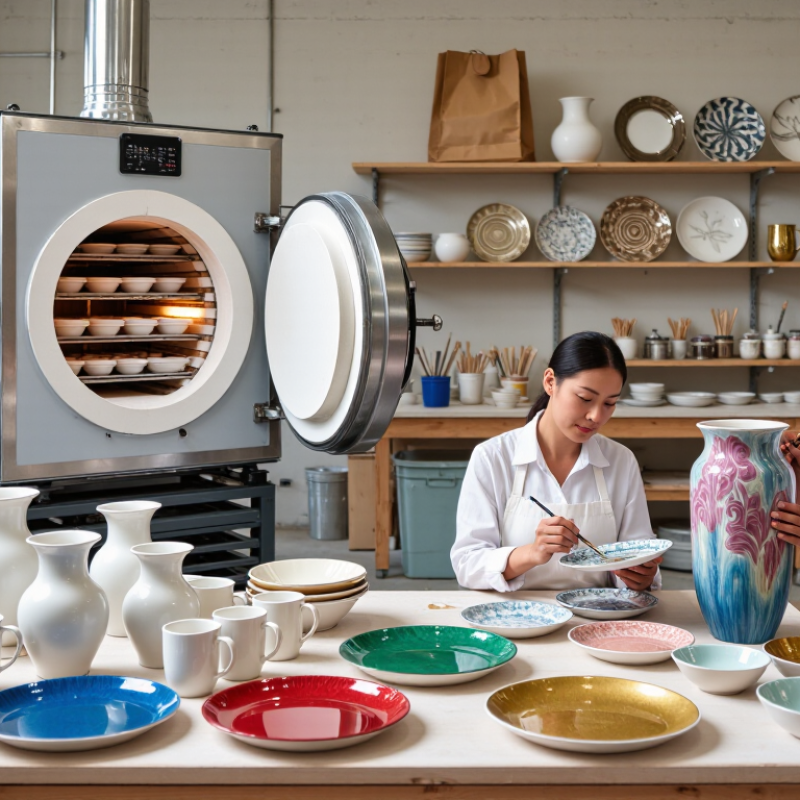
A Ceramic Decorating company adds color, texture, imagery, or surface protection to ceramic pieces. Its work may begin with a plain bisque-fired body and end with a finished item ready for use or display. Common services include glazing, hand painting, screen printing, decal application, and additional kiln firing. Some companies also advise on color matching, test small batches, or inspect finished pieces for pinholes and uneven coverage. That is the scope. It can vary widely: one workshop may specialize in detailed brushwork, while another handles repeatable production runs.

The wider ceramic market gives useful context, but not a direct measure of decorating services. Grand View Research’s 2024 Ceramic Tiles Market report estimated the global market at USD 227.7 billion in 2023 and projected a 6.2% compound annual growth rate from 2024 to 2030. That figure covers ceramic tiles, not decorating companies specifically. The distinction matters. A decorator’s capabilities depend on the clay body, glaze compatibility, firing temperature, and intended use. A design suited to Artistic Ceramic Vases may not transfer cleanly to flat tiles or tableware. Samples and firing tests can reveal problems, though they add time and cost. Even experienced teams sometimes need another trial.

History and Development of Ceramic Decoration Services

What Is a Ceramic Decorating Company?
History and Development of Ceramic Decoration Services

A Ceramic Decorating company applies color, patterns, or protective finishes to ceramic pieces. Its work has changed alongside tools, materials, and customer expectations. In earlier workshops, decorators often painted designs by hand, one brushstroke at a time. A small floral motif might take careful planning and a steady hand. It was slow.

As production expanded, transfer printing helped repeat designs more consistently across plates, tiles, and other wares. Kiln technology also improved, giving workshops better control over firing temperatures and finished colors. These changes made decorated ceramics more accessible, though they did not replace skilled handwork. A kiln reading alone cannot judge whether a glaze looks balanced on a curved vase.

Today, services may combine hand painting, screen printing, decals, and digital decoration. A company might help clients choose colors, prepare artwork, test samples, and check how a design looks after firing. Colorful Ceramic Vases show how decoration can turn a useful object into a focal point on a shelf. Yet newer methods are not always better. Some printed finishes can feel less personal, and small test batches may reveal flaws that a digital preview misses. Careful sampling still matters.

Core Techniques Used to Decorate Ceramic Products

A Ceramic Decorating company appliescolor, texture, and protective finishes to fired or unfired ceramic products. Its work can include tableware, sanitaryware, tiles, and architectural pieces. The process requires more than attractive artwork. Technicians must control ink viscosity, glaze thickness, kiln temperature, and surface tension. Small errors can create pinholes, blurred edges, or uneven color.

Screen printing remains useful for bold patterns and repeated production. Pad printing reaches curved surfaces, such as mug handles and rounded lids. Digital inkjet decoration supports detailed images and shorter production runs. Grand View Research reported that the global ceramic tiles market was valued at about USD 227 billion in 2023. This scale increases demand for faster, flexible decorating systems. Still, digital equipment does not remove the need for skilled inspection. A design may look accurate on screen but shift after firing.

Glazing adds both color and protection. Decals can provide fine illustrations, but they require careful placement and controlled firing. A decorating team normally tests a small batch before full production. Technicians measure shade variation, adhesion, abrasion resistance, and food-contact suitability where relevant. Smithers has identified digital decoration as an important development in ceramic surface printing, especially for customized production. Yet automation can expose weak process controls. Dust, moisture, and inconsistent kiln airflow still matter. Sometimes, the “perfect” sample is not the most reliable one.

Materials, Equipment, and Production Processes

What Is a Ceramic Decorating Company?

A Ceramic Decorating company applies color, texture, and surface designs to prepared ceramic ware. Its materials may include underglazes, glazes, ceramic decals, pigments, and food-safe protective coatings. Each material behaves differently during firing. A glossy glaze can flow, while an underglaze usually holds sharper lines. The final result depends on clay type, firing temperature, and coating thickness.

Production begins with inspection. Workers check each bisque piece for cracks, pinholes, and uneven edges. They then clean the surface before applying patterns by brush, sponge, screen, or transfer paper. For a Geometric Ceramic Vase, precise templates help maintain balanced lines around curved walls. Kilns provide controlled heat, often through staged firing cycles. Staff record temperature, firing time, and batch results. This record supports consistency, although small color shifts still occur. That is one area where production needs constant review.

Tips: Test every new color on a small tile first. Keep glaze layers thin and even. Measure twice. Allow drying time before handling decorated surfaces. Inspect kiln shelves regularly, because dust can create rough marks. A practical team also photographs sample pieces under natural light. This reveals dull patches that workshop lighting may hide. Mistakes happen. Careful records make them easier to understand and correct.

What Is a Ceramic Decorating Company? - Materials, Equipment, and Production Processes

Production Area Materials Typical Equipment Process Key Quality Checks
Incoming ware inspection Bisque-fired or glazed ceramic pieces, such as tableware, tiles, and giftware Inspection lights, measuring tools, sample boards Check incoming pieces for cracks, chips, surface defects, dimensions, and suitability for the chosen decoration method. Surface cleanliness, consistent dimensions, defect rate, and compatibility with decoration materials
Surface preparation Clean water and, where required, approved cleaning materials Wash stations, drying racks, compressed-air systems, dust extraction Remove dust, handling residue, and other contamination; allow the ware to dry before decoration. Dry, clean surfaces and adequate dust control
Glaze preparation and application Ceramic glaze, water, and compatible colorants or additives Mixing tanks, sieves, spray booths, dipping tanks, or glazing lines Prepare glaze to a controlled consistency, then apply by spraying, dipping, pouring, or another suitable method. Glaze consistency, coverage, thickness, and absence of runs or bare patches
Screen printing Ceramic printing colors or prepared decorating pastes Screen-printing equipment, mesh screens, squeegees, alignment fixtures Transfer a design through a patterned screen onto flat or suitably shaped ceramic surfaces. Registration, print coverage, edge definition, and color consistency
Decal application Water-slide ceramic decals, which may use ceramic pigments and compatible fluxes Water trays, application tools, sponges, alignment guides Soak the decal, position it on the ware, and smooth out trapped water or air before drying and firing. Design position, wrinkle-free application, clean edges, and complete adhesion
Hand painting Underglaze colors, overglaze colors, or other ceramic-compatible decorating media Brushes, palettes, turntables, templates, work lights Apply designs by hand, either before glazing, on a glaze surface, or after the initial glaze firing, depending on the material system. Design accuracy, color coverage, line quality, and consistency with the approved sample
Digital decoration Ceramic-compatible inks or colorants specified for the printer and firing system Ceramic inkjet printer, computer design software, fixtures, maintenance tools Print digital artwork directly onto compatible ceramic surfaces; surface preparation and firing requirements depend on the ink system. Image alignment, nozzle performance, color reproduction, and surface compatibility
Drying and handling Decorated ware and protective kiln furniture as needed Drying racks, controlled drying areas, conveyors, handling supports Allow applied colors, decals, or coatings to dry as required, then transfer pieces carefully to the kiln. Dryness before firing, minimal smudging, and safe spacing between pieces
Firing Decorated ceramic ware and compatible kiln furniture Electric or gas kiln, kiln cars or shelves, temperature-control instruments Fire the ware using a schedule suited to the body, glaze, decoration materials, and intended finish. Firing temperatures vary by system. Recorded firing schedule, even heatwork, finish, color development, and freedom from defects such as blistering or cracking
Final inspection and packing Finished decorated ware and suitable protective packaging Inspection lights, measuring tools, protective dividers, packing stations Inspect fired pieces, sort according to acceptance criteria, and pack them to limit impact and surface damage in transit. Decoration placement, finish, chips or cracks, order quantity, and packaging protection

A ceramic decorating company applies surface finishes or designs to ceramic ware. The exact materials, equipment, and firing conditions depend on the ceramic body, decoration method, and product requirements.

Types of Clients and Ceramic Products Served

What Is a Ceramic Decorating Company?
Types of Clients and Ceramic Products Served

A ceramic decorating company applies color, patterns, textures, or protective finishes to ceramic surfaces and objects. Its clients range from homeowners seeking a custom backsplash to interior designers specifying coordinated wall panels. Builders and renovation contractors may order durable tiles for kitchens, bathrooms, and entryways. Restaurants and hotels often need decorative tableware, signage, or feature walls that suit a particular room. Small studios may request short production runs; larger projects need consistent color across many pieces.

Products can include glazed wall tiles, hand-painted murals, numbered house plaques, ceramic vessels, and made-to-order decorative panels. Wall Ceramic Decoration may involve matching a sample tile to cabinetry or checking how glaze looks under warm evening light. That detail matters. Yet not every hand-painted finish wears well in busy areas, and clients should hear that before approving a design. The UNEP 2023 Global Status Report for Buildings and Construction says the sector produced 37% of global energy- and process-related carbon emissions in 2022. For specifiers, long-lasting finishes and realistic replacement plans deserve attention, too.

Tips: Share room measurements, lighting photos, cleaning requirements, and a physical color sample. Ask for a fired sample before approving a full order. Glazes can shift in the kiln.

What Is a Ceramic Decorating Company?

Typical firing ranges for ceramic products served by decorating specialists

Ceramic decorating companies apply finishes such as printed patterns, decals, colored glazes, metallic accents, and functional coatings to products made for tableware manufacturers, tile producers, sanitaryware suppliers, hospitality businesses, retailers, and private-label clients. The chart shows typical firing-temperature ranges used for common decorated ceramic products. Actual temperatures vary according to the clay body, glaze chemistry, decoration method, and production specifications.

Quality Control, Customization, and Industry Standards

A ceramic decorating company applies color, glaze, decals, or printed patterns to ceramic products, then checks how those finishes perform after firing. The work is more than making a sample look attractive. A pale glaze can shift under kiln heat, while a small change in application thickness may leave visible bands. Small details matter. Quality teams therefore compare finished pieces with approved color samples, inspect edges and surfaces under consistent lighting, and record firing conditions by batch.

For tile work, ISO 13006:2018 classifies dry-pressed tiles with water absorption at or below 0.5% as Group BIa. ASTM C373 provides a test method for measuring absorption. These figures describe tile performance, not decorative quality, but they help teams set clear production checks. Custom orders also need practical limits: minimum line widths, color tolerances, and placement guides that operators can reproduce across a full run. A perfect sample can still mislead. It may not reveal how a pattern behaves on curved surfaces or after repeated firing.

Reliable suppliers document inspections and use controlled procedures aligned with quality-management principles such as ISO 9001. Buyers can request test records, sample approvals, and written acceptance criteria before production begins. Ask how defects are counted, too. A company may inspect every piece, yet inconsistent defect definitions can make its reports hard to compare. These checks make customization more predictable without promising that every handmade variation will disappear.

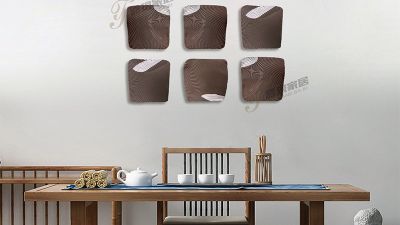
Handmade Silver-Inlaid Ceramic Wall Art: Elevating Interiors with Distinctive Square Designs

Handmade silver-inlaid ceramic wall art brings a distinctive sense of character to contemporary interiors. Each square piece is carefully shaped and finished by hand, revealing subtle textures that make the surface feel rich and expressive. Delicate silver inlays are set into the ceramic to create refined lines and luminous accents, producing a balanced contrast between earthy craftsmanship and modern elegance. The result is wall decor that feels artistic, tactile, and thoughtfully made rather than mass-produced.

These original ceramic squares can be displayed individually or arranged as a coordinated composition, allowing homeowners and designers to create a layout that suits the room. Their geometric form works beautifully in living rooms, bedrooms, entryways, studios, restaurants, offices, and other stylish commercial spaces. Against a neutral wall, the silver details add a gentle focal point; grouped together, the pieces can form a more dramatic statement with rhythm and depth. Ideal for art lovers who value individuality, this handmade decor adds sophistication while preserving the warmth and irregular beauty of traditional ceramic craftsmanship.

FAQS

What does a ceramic decorating company do?

It applies colors, patterns, textures, and protective finishes to ceramic products. Products may include tiles, tableware, vessels, plaques, and architectural panels.

Which decorating methods are commonly used?

Screen printing suits bold, repeated patterns. Pad printing reaches curved areas, such as handles and rounded lids. Digital inkjet decoration creates detailed images for shorter production runs.

Why is glazing important?

Glazing adds color and helps protect the ceramic surface. A glossy layer may flow during firing. Thin, even coats usually produce better results.

How does firing affect ceramic decoration?

Heat can change color, line sharpness, and surface texture. Kiln temperature, firing time, and airflow all matter. The screen image is not always the final result.

How are ceramic products checked before decoration?

Workers inspect each piece for cracks, pinholes, rough edges, and uneven surfaces. They clean away dust before applying decoration. Small defects can become more visible after firing.

What information should a client provide?

Share room measurements, lighting photos, cleaning needs, and physical color samples. A fired sample is useful before approving a large order. Warm lighting can make colors look different.

Can decorated ceramics be used for food contact?

Some finishes may suit food-contact applications, but testing is necessary. Teams should check adhesion, abrasion resistance, and surface safety. Never assume a decorative coating is suitable.

Why is a small test batch recommended?

Testing reveals shade changes, blurred edges, pinholes, and weak adhesion. It also shows how a design behaves on curved surfaces. A perfect sample can mislead.

What can cause uneven ceramic decoration?

Dust, moisture, glaze thickness, and inconsistent kiln airflow can affect results. Handling surfaces too early may leave marks. People still miss things sometimes.

How can production quality improve?

Record temperatures, firing times, coating thickness, and batch results. Photograph samples under natural light. Review failures without hiding them.

Conclusion

A Ceramic Decorating Company specializes in adding color, patterns, images, and finishes to ceramic products. Its services have developed from traditional hand-applied methods into a combination of skilled craftsmanship and modern production techniques. Depending on the design and product, decoration may involve glazing, printing, painting, engraving, or applying decals, with each method selected to suit the intended appearance, durability, and production volume.

These companies work with a range of clients and products, including tableware, tiles, gifts, and custom ceramic items. Their process typically includes choosing suitable materials, preparing surfaces, applying decoration, and firing or finishing products with specialized equipment. Quality control helps ensure designs are consistent and finishes meet client requirements. Customization allows details such as colors, artwork, and quantities to be tailored, while relevant industry standards guide product safety, performance, and production consistency.
Ethan

Ethan

Ethan is a dedicated marketing professional at Shenzhen Yalang Home Furnishing Accessories Co., Ltd., a company established in 2014, renowned for its core brand "Yalang Home." With an extensive knowledge of high-quality ceramic home accessories, Ethan plays a pivotal role in showcasing the......
Previous How to Source Ceramic Art Vases Globally in 2026?