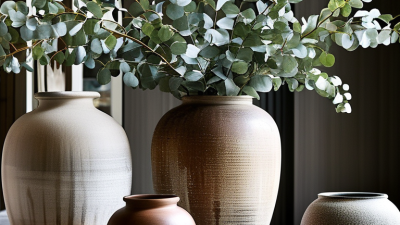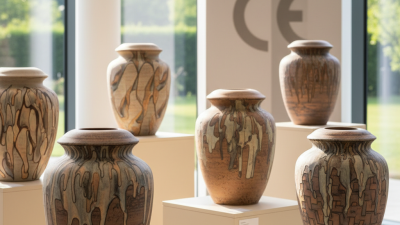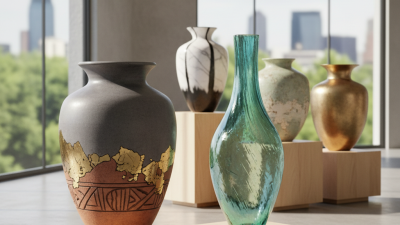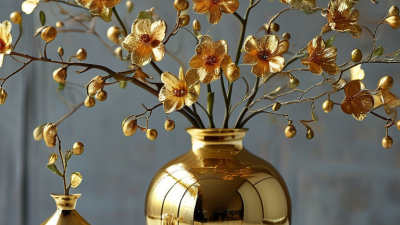
A Large Urn Vase isn’t just a pretty container—it can really transform a space. Whether it’s anchored in an entryway, framing a garden path, or adding some height to a quiet corner inside, it just has that wow factor. The wide bowl is perfect for holding lush floral arrangements, and the narrow neck keeps the stems looking neat and organized. Designers tend to pick urn-shaped vessels because their balanced proportions create a striking focal point without needing a ton of decoration around them.
In real life, you might fill a big urn with seasonal branches, dried grasses, fresh flowers, or just leave it empty as a piece of architectural interest. Plop one beside your front door, and instantly, the whole entrance feels more welcoming. Out on the patio, a weatherproof urn can house herbs, ornamental grasses, or small shrubs. But, heads up—material really matters here. Ceramic adds color and texture, whereas stone or fiberglass can give you different levels of weight and durability. And it’s worth measuring your space carefully because, honestly, a gorgeous urn can feel kinda overwhelming in a narrow hallway.
When professionals pick out these vessels, they usually think about size, drainage, stability, and how much maintenance they’ll need. For outdoor spots, heavy bases are great if it gets windy—just keep in mind, they’re a pain to move around. Sometimes, I’ve noticed that a simpler arrangement with fewer stems actually looks more elegant than stuffing every inch full. That said, it’s not a hard-and-fast rule—you should go with what feels right for your taste, your home’s style, and the plants you love.
Getting all these details down helps you use a Large Urn Vase with more confidence. It’s not just about looks: it can serve a practical purpose, add visual balance, or even help define your style. And honestly, sometimes, less is more—simple arrangements can be the most striking.
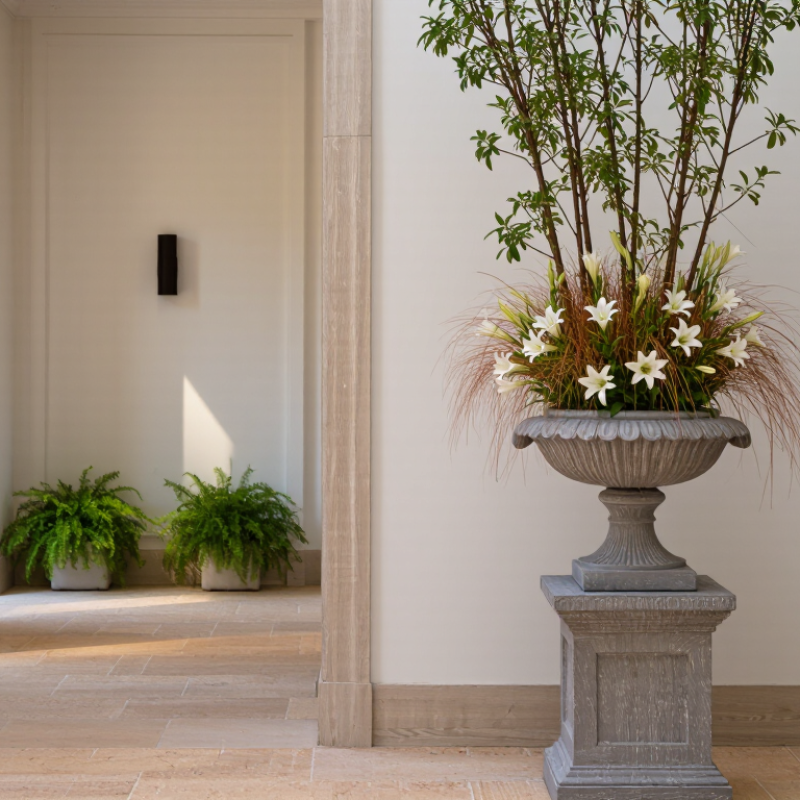
A Large Urn Vase is a deep decorative container with a wide body, narrow neck, and stable base. It can hold flowers, branches, dried arrangements, or stand as architectural décor. Its generous scale suits entryways, patios, gardens, and spacious living rooms. Common materials include ceramic, stone, metal, fiberglass, and resin. Each material affects weight, texture, durability, and maintenance.
The most important features are proportion, balance, opening size, and drainage. A heavy base helps prevent tipping near doors or busy walkways. A broad opening supports fuller arrangements, while a narrow neck keeps stems gathered neatly. For outdoor use, check whether the vase resists moisture, temperature changes, and strong sunlight.
I once placed a tall urn in a windy corner, assuming its weight was enough. It still needed a hidden stabilizing pad. Small details matter.
Tips: Measure the space before buying. Leave room for people to walk around it. Use a liner inside porous urns to reduce water stains. Add gravel at the base for stability, but do not block drainage holes. For fresh flowers, clean the interior regularly and change the water every few days. An oversized arrangement can hide the urn’s shape, so trim branches gradually and view the display from several angles.
What Is a Large Urn Vase Used For?
A Large Urn Vase can anchor a room without adding another bulky cabinet. Its height draws attention toward a doorway, staircase, or empty corner. In an entryway, place it beside a console with tall branches or dried stems. Keep the arrangement slightly loose. Perfect symmetry can make the space feel staged.
For decoration, an urn vase works well with fresh flowers, sculptural branches, reeds, or seasonal foliage. Fresh branches need clean water and a stable inner container. A waterproof liner protects porous surfaces from leaks and stains. For dry arrangements, use floral foam, gravel, or concealed weights. The wide opening allows generous displays, but too many stems can hide the vase’s shape. Fewer pieces often look more intentional.
Large urns also serve practical purposes. A lined urn can hold umbrellas near an entrance, rolled blankets beside a sofa, or tall walking sticks in a reading area. In a garden, a weather-resistant urn can become a planter for herbs, grasses, or compact shrubs. Add drainage and raise it slightly from the ground. Otherwise, trapped water may damage roots or crack the container during cold weather. A common mistake is choosing a beautiful urn that is too heavy to move. Check its weight, opening size, and floor protection before filling it. I still prefer an empty urn over an overcrowded one.
| Common Use | Typical Location | Recommended Contents or Function | Suitable Size Guidance | Important Considerations |
|---|---|---|---|---|
| Fresh Flower Arrangement | Entryways, dining rooms, living rooms, and event spaces | Long-stemmed flowers, branches, eucalyptus, or seasonal foliage | Medium to oversized | Use a watertight liner or inner container when the urn is porous or not designed to hold water. A wide opening supports fuller arrangements. |
| Dried or Artificial Botanical Display | Hallways, offices, reception areas, and low-light rooms | Dried grasses, preserved branches, silk flowers, or artificial greenery | Medium to large | Usually requires less maintenance than fresh flowers. Choose a stable base if tall stems could make the arrangement top-heavy. |
| Entryway Statement Piece | Front entrances, foyers, porches, and covered patios | A sculptural display, seasonal branches, or an empty decorative accent | Large | Measure doorways and walking paths before purchase. The base should not obstruct movement or create a tripping hazard. |
| Pairing and Symmetry | Either side of doors, fireplaces, staircases, or consoles | Matching or coordinated urns used as balanced architectural accents | Two medium or large urns | Keep the visual weight similar on both sides. The urns do not need to be identical if their height, color, or shape creates harmony. |
| Outdoor Planter | Gardens, balconies, terraces, patios, and courtyards | Annual flowers, ornamental grasses, herbs, shrubs, or small container plants | Weather-resistant large | Drainage holes help prevent waterlogged roots. In freezing climates, frost-resistant materials and protected placement can reduce cracking. |
| Privacy or Space Division | Patios, outdoor dining areas, hotel-style entrances, and large rooms | Tall plants, bamboo-like foliage, branches, or grouped greenery | Large and stable | Use a heavy base or secure the planter where wind or frequent foot traffic may cause tipping. Leave adequate clearance around the display. |
| Architectural Focal Point | Living rooms, galleries, libraries, and commercial interiors | An empty urn displayed as sculptural décor or paired with artwork | Oversized | Large urns work best where there is sufficient negative space. Coordinate the finish and silhouette with nearby furniture and architectural details. |
| Seasonal Decoration | Porches, foyers, dining areas, and reception spaces | Evergreen branches, autumn foliage, spring stems, or holiday décor | Medium to large | Removable inserts make seasonal changes easier and help protect the urn from moisture, soil, and decorative materials. |
| Umbrella or Walking-Stick Holder | Entry halls, mudrooms, offices, and covered entrances | Umbrellas, walking sticks, canes, or lightweight household accessories | Tall with a narrow opening | Place a waterproof tray inside to collect water. Avoid using a lightweight urn for heavy or frequently handled items unless it is weighted. |
| Event and Wedding Décor | Aisles, stages, reception tables, entrances, and photo areas | Floral arrangements, fabric accents, branches, or decorative lighting | Size matched to venue | Check the venue’s surface rules and transport requirements. Secure tall arrangements and keep emergency exits and aisles clear. |
ALarge Urn Vase can do more than hold flowers. It can establish a room’s visual center, especially in an entryway, beside a staircase, or within an empty corner. Its height draws the eye upward, while its rounded body adds weight against sharp furniture lines. In practice, I often see the strongest effect when the vase contains tall branches, dried grasses, or a single sculptural stem. The arrangement should remain slightly loose. Perfect symmetry can feel lifeless.
Interior spaces also benefit from the vase’s sensory qualities. Matte ceramic, aged metal, and textured stone-like finishes introduce touchable surfaces without adding furniture. The Global Wellness Institute valued the global wellness economy at 6.3 trillion dollars in 2023, reflecting wider demand for calming, restorative environments. A Large Urn Vase supports that direction through natural forms and quieter decoration. It can make a reading corner feel grounded, even before other accessories are added.
Scale requires professional judgment. Leave clear walking space around the base, and avoid blocking doors, vents, or low windows. In a narrow hall, a slimmer silhouette usually works better than a broad vessel. ASID’s 2024 Trends Outlook identifies wellness, natural materials, and sensory comfort as continuing design priorities. Still, the result may not feel right immediately. I have learned that a beautiful vase can overwhelm a room when its color repeats nothing nearby. Test it in daylight, view it from the doorway, and move it before committing.
A Large Urn Vase gives outdoor spaces height, structure, and a clear visual anchor. In gardens, it can frame a pathway or mark a change between lawn and planting beds. At an entrance, a Gold Urn Vase creates symmetry beside a door, especially when filled with clipped shrubs, grasses, or seasonal flowers. On patios, a tall urn can define a dining corner without building a permanent screen.
Scale matters. The container should feel substantial beside the doorway, but it should not block the opening or narrow the walking route. I usually place it on a level, stable surface and check its balance after watering. Wind is easy to underestimate. A lightweight empty vase may tip when its foliage catches air. Add suitable ballast, while keeping drainage open. Freeze-thaw conditions also deserve attention, because trapped water can crack porous materials.
Water efficiency is another practical concern. The U.S. Environmental Protection Agency reports that outdoor water use can exceed 30% of household consumption, with higher levels in dry regions. Choose drought-tolerant plants and water slowly at the root zone.
The 2023 National Gardening Survey reported that roughly 80% of U.S. households participated in gardening, showing how common these spaces have become.
Still, a large urn is not automatically better. I once preferred a dramatic arrangement, then noticed it overwhelmed the entrance. A smaller plant and more breathing room worked better.
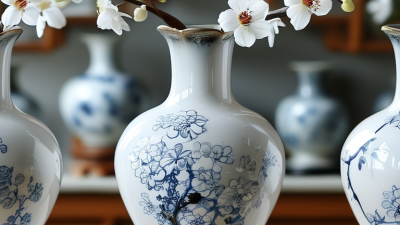
A Large Urn Vase can anchor an entryway, garden terrace, or dining room. Its materials affect weight, texture, durability, and care. Terracotta offers warm, earthy color, but its porous body needs sealing in damp conditions. Glazed ceramic resists stains and creates a smoother surface. Stone feels permanent, though moving it may require two people. Metal gives a crisp, architectural look and usually handles outdoor exposure well when properly treated. Glass reflects light beautifully, but it needs careful placement. None is perfect.
Construction methods shape both appearance and strength. Wheel-thrown urns often show subtle hand marks, while molded ceramic pieces provide consistent curves. Hand-built vessels may have irregular edges that add character, although uneven walls can weaken the form. Carved stone displays natural variation, and welded metal creates bold, modern silhouettes. Check the base, rim, and interior finish before buying. A narrow base may look elegant but tip easily on a busy floor. I once underestimated this detail with a tall planter. It looked stable until the stems became top-heavy.
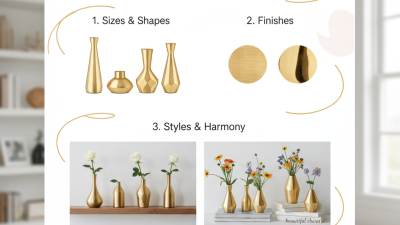
Styles range from classical fluting and pedestal feet to quiet, minimalist cylinders. Rustic finishes suit dried branches, while polished surfaces frame fresh arrangements. For Large Vase And Flowers displays, use a hidden insert when the outer vessel is difficult to clean. Add gravel or a weighted liner for balance. Measure doorways first. Some beautiful urns are simply too awkward to place safely.
Large Urn Vases are commonly used for planting, interior decoration, memorial purposes, and the display or storage of dry materials. Their performance depends strongly on the ceramic material and its firing temperature.
Chart: Approximate firing-temperature ranges for major ceramic materials used in large urns and vases.
Interpretation: Earthenware is porous and often suited to decorative indoor use unless sealed. Stoneware is denser and more durable for large planters and outdoor settings. Porcelain is fired at the highest temperatures, producing a hard, vitrified body, although very large forms require careful construction to reduce cracking and warping.
A Large Urn Vase can hold flowers, branches, or stand alone as a sculptural accent. Its shape often adds height and visual weight to an otherwise plain room. In a living area, aLiving Room Large Vase can frame a fireplace, fill an empty corner, or anchor a console. I have found that oversized vessels look better when they have breathing space around them. Crowding makes even a beautiful design feel accidental.
Size should match both the furniture and the room’s ceiling height. A vase beside a sofa should usually rise above the seat, but it should not block sightlines. Measure the available floor area before buying. A narrow base suits tight corners, while a wider urn offers better stability for tall branches. Location matters. Keep walkways clear, and place heavy pieces on level flooring. Natural light can reveal texture, though direct sunlight may fade dried materials over time. Design is personal, but proportion remains practical.
Tips: Test the vase with paper branches first. This reveals whether its height feels balanced. Choose a finish that repeats one nearby color. Matte surfaces hide fingerprints better. Consider a removable liner for fresh flowers. I once chose a dramatic urn that looked impressive online, yet it overwhelmed my small room. That mistake taught me to trust measurements, not excitement. Leave some empty space above the arrangement. A little restraint often looks more intentional.
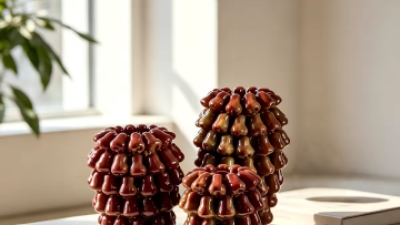
Styling a Hand-Attached Ceramic Wax Apple Vase: A Guide to Glossy Botanical Décor begins with treating the vessel as both art and a functional floral accent. Each ceramic wax apple is individually attached by hand, creating a dimensional cluster with organic rhythm and tactile depth. Its vibrant, high-gloss glaze reflects daylight and ambient lighting, making the vase especially effective on a console, coffee table, reception desk, or luxury retail plinth. Grand View Research reports that the global home décor market was valued at approximately USD 682.8 billion in 2023, reflecting continued demand for distinctive decorative objects that personalize contemporary interiors.
For a refined arrangement, place the vase against quiet architectural backgrounds such as limestone, natural oak, brushed metal, or soft neutral walls. The sculptural silhouette can stand alone, while a restrained selection of branches or seasonal stems introduces height without hiding the glossy fruit composition. In hospitality and executive settings, several sizes may be grouped in an asymmetrical display to establish visual rhythm across a long counter or entrance table. The 2024 U.S. Houzz & Home Study also recorded substantial homeowner investment in renovation projects, reinforcing the role of carefully selected decorative features within upgraded living spaces.
Multiple dimensions and customizable glaze colorways allow the piece to coordinate with residential palettes, hotel concepts, and fine interior specifications. Designers can request tailored colors, size parameters, and direct OEM volume quotations, supporting coordinated installations across multiple rooms or properties.
It adds height, structure, and a strong visual anchor. It can frame pathways, separate lawn areas, or define a patio corner.
Place it beside the doorway for visual balance. Keep the opening clear and preserve a comfortable walking route.
Use a level, stable surface and check its balance after watering. Add suitable ballast when foliage could catch strong wind.Wind matters.
Clipped shrubs, grasses, seasonal flowers, and drought-tolerant plants are practical choices. Water slowly around the root zone.
Choose drought-tolerant plants and water near the roots. Outdoor watering can represent more than 30% of household water use.
Terracotta offers earthy warmth but may need sealing. Glazed ceramic resists stains, stone feels permanent, and treated metal suits outdoor exposure.
Trapped water may crack porous materials during freeze-thaw conditions. Keep drainage open and avoid leaving water inside the vessel.
Wheel-thrown pieces show subtle hand marks, while molded vessels provide consistent curves. Hand-built or carved forms may look distinctive but need careful inspection.
Check the base, rim, interior finish, and wall thickness. Measure doorways first, because an attractive urn may be awkward or unsafe to move.Measure twice.
Use a weighted liner, gravel, or a hidden insert when appropriate. A narrow base may tip after stems become top-heavy.
No. A dramatic arrangement can overwhelm an entrance. A smaller plant with more breathing room may look calmer and work better.
A Large Urn Vase is a spacious, vessel-shaped container recognized for its broad body, decorative rim, and stable base. It can serve both practical and decorative purposes, such as displaying fresh flowers, arranging dried branches, holding seasonal decorations, or standing alone as a sculptural accent. Indoors, it can add height, balance, and visual interest to entryways, living rooms, dining areas, and spacious corners while helping define the character of a room.
Outdoors, a Large Urn Vase can frame garden paths, patios, balconies, doorways, and entrance areas, especially when filled with plants or used in pairs. Available in materials such as ceramic, stone, metal, resin, and concrete, these vases may feature traditional, rustic, modern, or minimalist designs. When choosing one, consider its height, width, weight, drainage needs, weather resistance, and the scale of its surroundings. The right location and design will ensure that the vase complements the space without obstructing movement or overwhelming nearby features.