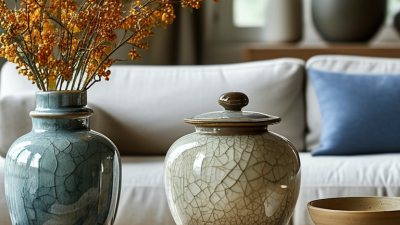
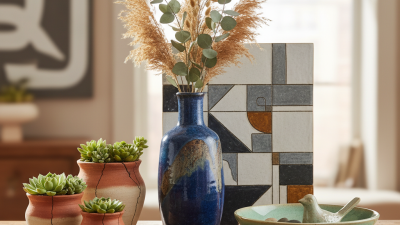
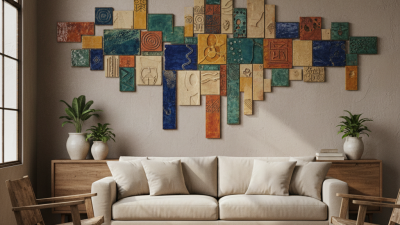
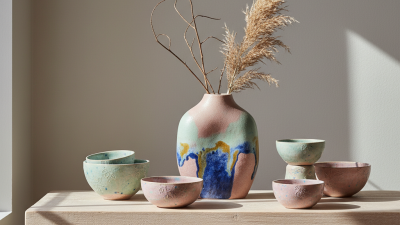
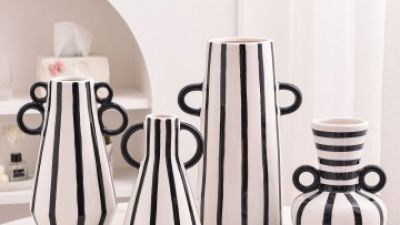
Thinking about decorating your living room? Ceramic Decorations might just be the perfect touch. They honestly add this lovely mix of texture and color without making the space feel busier than it needs to be. Like, a hand-glazed vase catches the afternoon light in a totally different way from a sleek ceramic sculpture. Sometimes, just a few small tweaks—like swapping out a piece or two—can make your room feel more intentional and cozy.
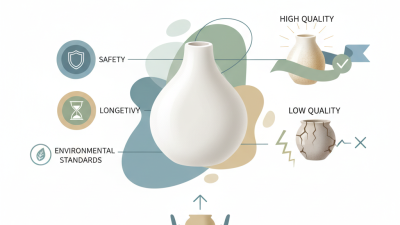
Did you know that the global home decor market was valued at around USD 683 billion in 2023? Crazy, right? And it’s still growing, especially as more folks lean towards putting personality and style into their homes. But, just because the market’s booming doesn’t mean all ceramics are equal. It’s still super important to check the materials, finishes, and how things are made before you buy.
Ceramics are actually pretty practical for living rooms, too. Most high-fired pieces aren’t gonna fade easily and can handle moisture and everyday bumps. Plus, their weight helps keep them steady on shelves or tables. The EPA highlights durability as a key factor in choosing eco-friendly, long-lasting products. Basically, a well-made ceramic lasts longer and means less waste over time.
By the way, if you're into European styles, you'll often find ceramics with refined glazing, muted colors, and a touch of traditional craftsmanship. But don’t just go on “European style” alone—look into who made it, where it’s from, and what kind of glaze and finishes are used. Especially if you’ve got kids or pets running around, you want finishes that are stable and tested.
And hey, you don’t always need to splurge to get a great look. Sometimes, a single textured bowl, a warm-toned vase, and some open space actually pack a stronger punch than filling every corner. It’s all about restraint. I’ve noticed, though, that Ceramic Decor can sometimes feel a bit cold or formal—adding in some wood accents, linen textiles, or soft lighting can really warm things up.
In the end, choosing ceramics is all about balancing beauty, function, durability, and your personal vibe. The goal is to make your space feel cozy and lived-in, not like it’s set up for a photoshoot.
What Are Ceramic Decorations in Living Room Design?
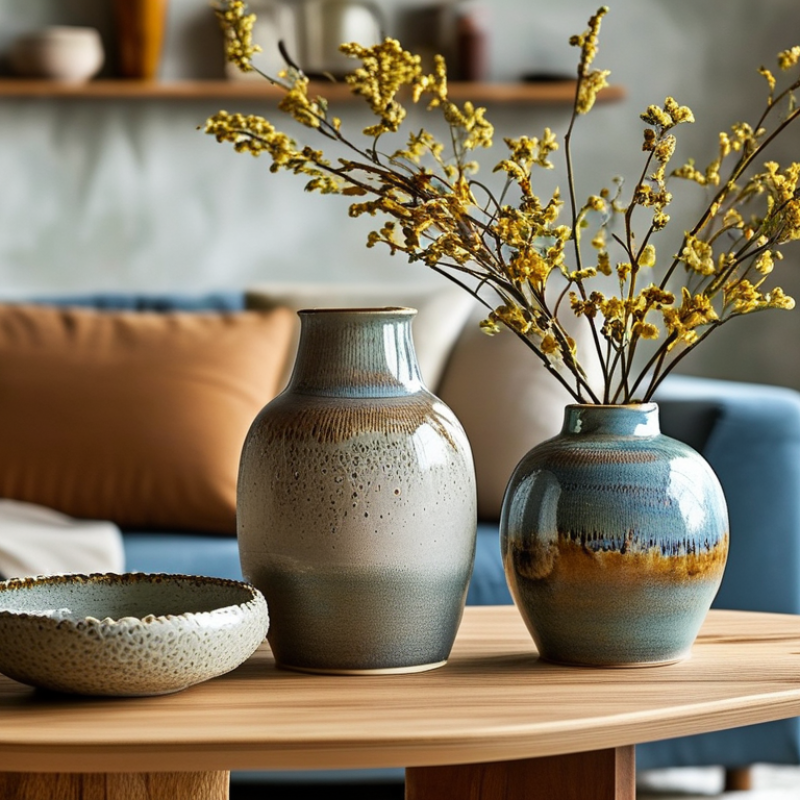
Ceramic Decorations are shaped clay objects that add texture, color, and quiet character to living room design. They include vases, bowls, candle holders, sculptures, and decorative wall pieces. After firing, the clay becomes durable and keeps its form. Glazed surfaces may look glossy, while unglazed finishes feel earthy and tactile. Each option changes how light moves across the room.
A Living Room Tall Vase can fill an empty corner without making the space feel crowded. Place it beside a sofa, console, or low cabinet, and check its height against nearby furniture. Smaller ceramic bowls work well on coffee tables, especially when paired with wood, glass, or woven materials. I usually leave some empty space around each object. Too many pieces can make a room feel visually noisy.
Color should support the room’s existing palette rather than compete with it. Neutral ceramics suit warm interiors, while deep blue, green, or terracotta can create a stronger focal point. Inspect every piece for stable bases and sharp edges, particularly in homes with children or pets. Handmade Ceramics may show uneven rims or tiny glaze variations. That is part of their appeal, though not every flaw feels beautiful. I sometimes choose a piece, then question it after one week. The room often gives the honest answer.
How Do Ceramic Decorations Enhance Living Room Aesthetics?
Ceramic decorations can make a living room feel warmer, calmer, and more carefully designed. Their natural texture softens hard surfaces such as glass tables, polished floors, and metal frames. A Living Room Large Vase can create a strong vertical line beside a sofa or console. It draws the eye upward without making the space feel crowded. The effect depends on proportion, though. An oversized piece may dominate a small room.
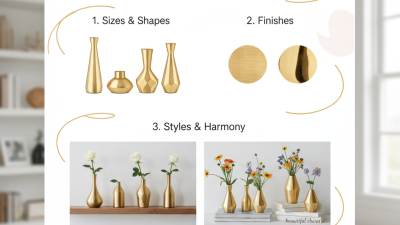
Glazed ceramics reflect daylight in a gentle, uneven way. This subtle shine can brighten darker corners without harsh glare. Matte finishes offer a quieter, more grounded appearance. Try combining one textured vase with a smooth bowl or sculptural figure.
Keep the color palette restrained, using tones already found in cushions, rugs, or wall art. This creates visual connection instead of random decoration. Leave some empty space.
Practical placement also affects beauty. Ceramic pieces need stable surfaces and enough clearance from busy walkways. Heavy objects should sit on strong furniture, especially in homes with children or pets. Dust can collect around raised patterns, so a soft cloth helps protect the finish.
I once preferred perfectly matching pieces, but that approach often looked flat. Slight differences in shape, glaze, and height usually create more character. Still, too many contrasting forms can become distracting. Superb balance is difficult.
Which Ceramic Styles Suit Different Living Room Themes?
For a minimalist living room, choose matte white or soft beige ceramics with clean silhouettes. Rounded vases and low bowls keep shelves calm without making them feel empty. In my experience, one large piece often looks stronger than several small ornaments. Leave visible space around it. That breathing room matters.
Warm rustic rooms suit hand-textured ceramics, earthy glazes, and uneven edges. Terracotta, sand, and muted olive tones work well with wood, linen, and woven baskets. A slightly imperfect surface can make the room feel lived in. It should not look careless. For industrial interiors, try charcoal vessels, geometric sculptures, or ceramics with a lightly speckled finish. Their rough texture balances metal, concrete, and dark shelving.
Traditional living rooms can handle decorated porcelain forms, floral details, and balanced pairs. Keep the colors connected to existing curtains or upholstery. Eclectic rooms allow brighter pieces, but repeat one color to prevent visual noise. I once placed three bold objects together, and the arrangement felt crowded despite their beauty. Moving one to a side table improved the room immediately. Scale also affects safety: choose stable bases for busy homes, and keep fragile pieces away from narrow walkways. Glazed ceramics are easier to dust, while unglazed surfaces may show fingerprints and absorb stains. Check each piece for chips before displaying it, especially near children or pets.
Why Choose Ceramic Decorations for the Living Room?
Ceramic décor is durable, easy to clean, and available in a wide range of colors, textures, and silhouettes. The chart compares how well common ceramic styles complement different living room themes.
Design-fit score: 1–10, based on the alignment of typical ceramic colors, finishes, shapes, and textures with each interior theme. Higher scores indicate a more natural visual match.
How Can Ceramic Decorations Improve Color and Texture Balance?
Ceramic Decorations help a living room feel balanced because they combine color with visible texture. Their surfaces can be smooth, ribbed, speckled, or softly uneven. These details catch daylight differently throughout the day. A glossy piece reflects nearby windows, while a matte finish absorbs light and feels calmer. This contrast prevents one flat color from dominating the room.
A Living Room Big Flower Vase can anchor a large wall or empty corner. Choose a warm clay tone when the furniture includes cool gray or blue. For beige sofas, deep green, charcoal, or muted terracotta adds controlled contrast. Keep the color connection subtle. Repeat one vase color in a cushion, artwork, or small bowl. The room then feels intentional without looking matched.
Texture needs spacing. Place a rough ceramic vessel near smooth wood, glass, or woven fabric. The differences become easier to notice. In my decorating experience, three textured objects placed together often make a shelf feel crowded. I once added too many handmade pieces and lost the room’s visual rhythm. Removing one improved the balance, though the empty space felt strange at first. Ceramic also changes under artificial light, so check the arrangement in the evening. Small details matter. A slightly uneven glaze may add character, but it can also look accidental beside highly polished furniture. Consider the room’s existing materials before choosing another surface.
What Practical Benefits Do Ceramic Decorations Offer?
Why Choose Ceramic Decorations for Living Room?
Ceramic decorations offer practical benefits beyond visual appeal. Their glazed surfaces resist everyday dust and small spills. A quick wipe often restores their clean finish. Unlike fabric accents, they do not trap pet hair or absorb room odors easily. Many ceramic pieces also keep their color under normal indoor lighting. A pale ceramic vase can brighten a dark console without adding bulky furniture.
Their weight provides useful stability on shelves, tables, and window ledges. This makes them less likely to move when people pass nearby. Ceramic surfaces can also handle normal indoor humidity better than untreated wood. However, ceramic is not unbreakable. A narrow shelf may be unsuitable for a heavy sculpture, especially in a busy home. Glaze quality varies, so inspect edges, hairline cracks, and uneven bases before buying. I have found that felt pads prevent scratches and reduce small movements. Still, matching every piece perfectly can make a room feel stiff.
Tips: Place larger ceramics near solid furniture, not crowded edges. Use a dry or slightly damp cloth for cleaning. Avoid harsh chemicals that may dull delicate glaze. Keep fragile pieces away from children’s play areas and active walkways. Leave some empty space around each object. It helps the decoration feel intentional, though my own arrangements sometimes need several adjustments.
How Should You Choose and Arrange Ceramic Decorations Safely?
Ceramic decorations add weight, texture, and quiet character to a living room. Tall Living Room Floor Vases can frame a sofa or brighten an empty corner. Yet beauty should not decide placement alone. Ceramic is hard, heavy, and breakable. A dropped vase can create sharp fragments, especially on tile or wood flooring.
Choose pieces with a wide, stable base and no visible cracks. Check the floor for slopes before placing a tall vase. The U.S. Consumer Product Safety Commission advises securing unstable furniture and household objects where children may access them. This principle also suits large ceramic displays. The National Fire Protection Association reports that candles caused an average of 5,910 home structure fires annually from 2016 to 2020. Keep ceramic vessels and nearby fabrics away from open flames, even when the ceramic feels heat-resistant. It is not fireproof.
Tips: Keep heavy pieces below chest height. Leave clear walking space around every vase. Use discreet museum wax on small objects, but test it on an unseen area first. Avoid placing ceramics above seating or near frequently opened doors. Pets can surprise you. I still misjudge a cat’s reach sometimes.
Arrange by visual weight, not only by color. Place one tall vase beside a low cabinet, then balance it with a smaller object across the room. Do not overcrowd shelves; vibration from doors, cleaning, or footsteps may shift fragile pieces. Inspect them monthly, and replace any damaged item rather than hoping it remains safe.
Modern Contrast in Bloom: Styling with Custom Black and White Striped Ceramic Vases
Modern contrast comes to life through custom black and white striped ceramic vases designed for refined commercial and hospitality interiors. Each vessel is hand-painted with bold vertical stripes, creating a crisp graphic rhythm that complements contemporary, minimalist, and monochromatic settings. The brilliant glossy glaze enhances the contrast while adding depth, light reflection, and a polished architectural presence.
Crafted from premium mid-fire stoneware, the collection features sculptural double-ring handles and a thoughtfully coordinated range of shapes and sizes. Displayed together, the vases create a cohesive visual statement; arranged individually, they serve as striking tabletop ornaments in luxury hotel lobbies, executive offices, restaurants, showrooms, and modern residences. They can hold dramatic floral compositions or remain empty as standalone works of functional décor.
Custom color glazes, adjusted proportions, and tailored scale options support distinctive interior concepts and project specifications. With experienced export production, curated showroom support, protective packaging, and scalable wholesale distribution, these ceramic vessels are suited to designers, hospitality buyers, and global furnishing distributors seeking a balance of artistic character and reliable practicality.
FAQS
: They soften hard surfaces like glass, polished floors, and metal frames. A tall vase can add height beside a sofa or console. Leave breathing room. An oversized piece may overwhelm a small room.
Glossy ceramics reflect daylight with a gentle, uneven shine. They can brighten darker corners without harsh glare. Matte finishes feel quieter and more grounded. The best choice depends on your room’s lighting.
One large piece often looks stronger than several small ornaments. Arrange a textured vase with a smooth bowl or figure. Avoid filling every surface. Too many forms can distract the eye.
Choose matte white, beige, or soft gray pieces. Clean silhouettes keep shelves peaceful. Rounded vases and low bowls work especially well. Visible wall and shelf space create calm.
Hand-textured ceramics suit wood, linen, and woven baskets. Try terracotta, sand, muted olive, or earthy brown tones. Uneven edges can make the room feel lived-in. They should look natural, not careless.
Place a rough vessel near smooth wood, glass, or fabric. The contrast makes each material easier to notice. Repeat one ceramic color in a cushion, artwork, or small bowl. Perfect matching can make the room feel flat.
Put it beside a sofa, console, or empty wall. It creates a strong vertical line. Keep it away from narrow walkways and busy corners. Check the arrangement during daylight and evening lighting.
Use stable surfaces and strong furniture for heavy pieces. Keep fragile objects away from children, pets, and narrow paths. Inspect each piece for chips before displaying it. Safety sometimes limits the most attractive arrangement.
Conclusion
Ceramic Decorations For Living Room offer a simple and versatile way to add personality, warmth, and visual interest to an interior. These decorations may include vases, sculptures, bowls, figurines, wall pieces, and handcrafted ornaments, each contributing shape, color, and artistic character. Their smooth surfaces can create a refined look, while textured or handmade finishes bring a more natural and welcoming atmosphere. Depending on the room’s theme, minimalist ceramics suit modern spaces, earthy forms complement rustic interiors, and detailed or sculptural pieces work well in traditional or eclectic settings.
Ceramic decorations also help balance color and texture by introducing soft contrasts against wood, fabric, glass, or metal. They are durable, easy to clean, and available in many sizes and finishes, making them practical for shelves, coffee tables, cabinets, and empty corners. When choosing and arranging them, consider the room’s scale, existing colors, and visual balance. Grouping items in varied heights can create interest, while leaving enough space prevents clutter. Place heavier pieces on stable surfaces and keep fragile decorations away from busy walkways or edges.



 Home