



 Home


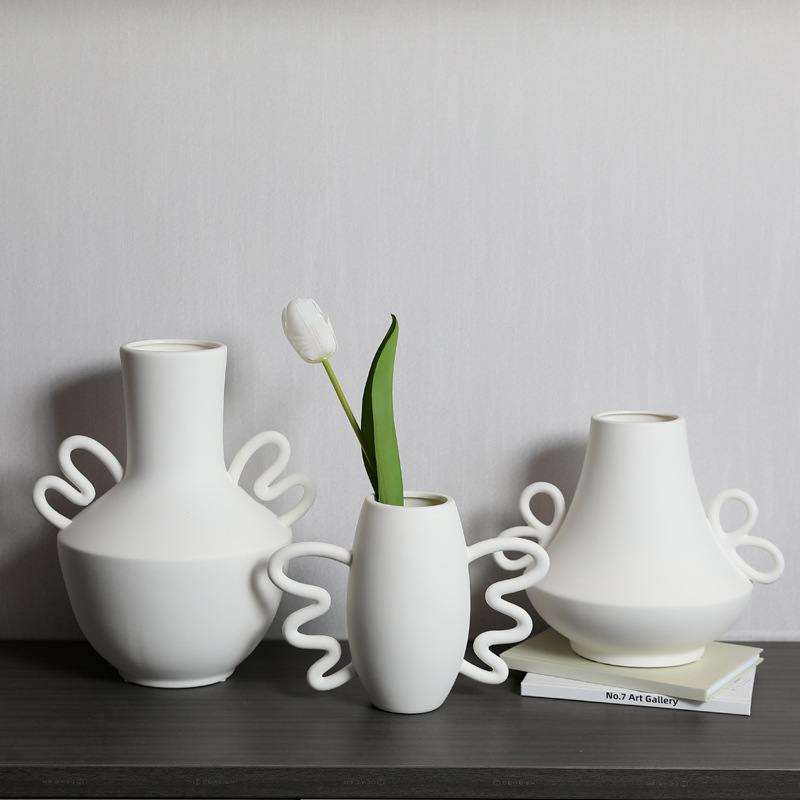



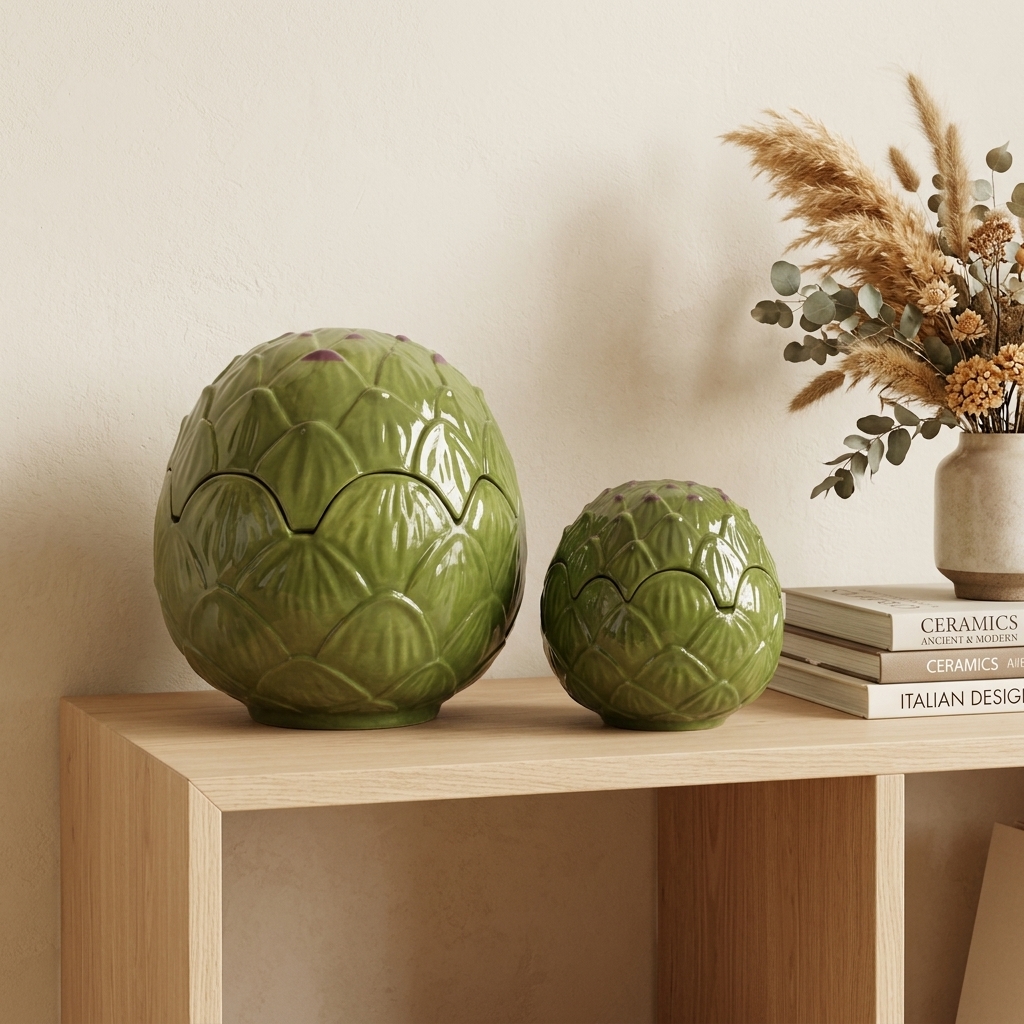
Deep Dive into the Hottest Trends Shaping Today’s Ceramic Industry
In today’s art and craft landscape, the ceramic industry is undergoing a dynamic, innovative transformation. A wave of trending movements is capturing the attention of professionals, enthusiasts, and the market alike.

The Digital Wave Revolutionizes Ceramic Production and Marketing
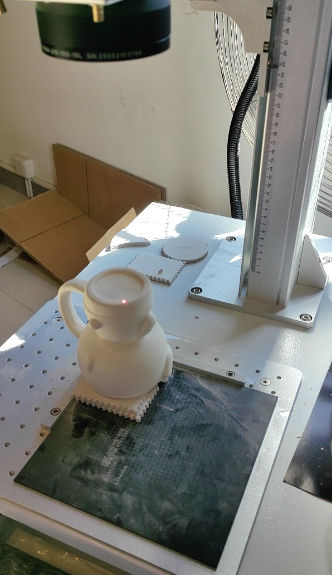
When it comes to production, digital technology is redefining ceramic manufacturing workflows. Cutting-edge 3D printing has now found its way into ceramic prototyping and even small-batch production. With precise digital models, complex ceramic shapes can be crafted quickly and accurately—slashing product development cycles, reducing costs, and unlocking unprecedented creative possibilities for designers. Intricate forms and textures that once demanded countless hours of manual labor are now achievable with 3D printing. For instance, forward-thinking designers are using 3D printing to create futuristic ceramic lighting fixtures with complex geometric designs that are both functional and stunningly artistic.
Digitization has also turned marketing on its head. Online platforms and social media have become make-or-break channels for promoting and selling ceramic products. Countless ceramic brands have set up official flagship stores on e-commerce sites, showcasing their products through high-quality photos and engaging videos to break geographical barriers and reach a global audience. On social media, ceramic artists and brands build strong connections with consumers by sharing behind-the-scenes production clips, new product teasers, and artistic philosophies—garnering massive followings and driving word-of-mouth. Some viral ceramic brands, thanks to savvy marketing on platforms like Xiaohongshu and Douyin, have exploded in popularity, with their products often selling out fast.
Sustainability Takes Center Stage Across the Ceramic Supply Chain
From raw material extraction to end-use, sustainability has become an unignorable trend in the ceramic industry. On the raw material front, the industry is shifting toward more eco-friendly, renewable alternatives. For example, some companies are experimenting with recycled ceramic waste as a raw material—processing it to reintroduce into production, promoting circularity and reducing reliance on new mineral resources. Meanwhile, research is ongoing into biodegradable, environmentally benign ceramic additives to minimize chemical pollution during manufacturing.
In terms of energy use, many ceramic manufacturers are embracing clean energy like solar and wind power for high-energy processes such as firing. Traditional ceramic firing is extremely energy-intensive, so switching to clean energy significantly cuts carbon emissions, aligning with global efforts to reduce energy consumption and emissions. Additionally, during the design phase, designers are now prioritizing product longevity and repairability—creating durable, easy-to-maintain ceramic pieces to reduce waste from premature replacement.
Cross-Industry Collabs Spawn New Ceramic Innovations
Ceramic’s cross-industry partnerships are thriving, yielding unique products and experiences. In fashion, ceramic elements are popping up in clothing and accessory designs. High-end fashion brands have launched collections featuring ceramic buttons and accents, or printed ceramic-textured patterns on fabrics to add an artistic twist. Jewelry designers, too, are using ceramics to craft necklaces, earrings, and rings—drawing consumers in with vibrant colors and one-of-a-kind textures.
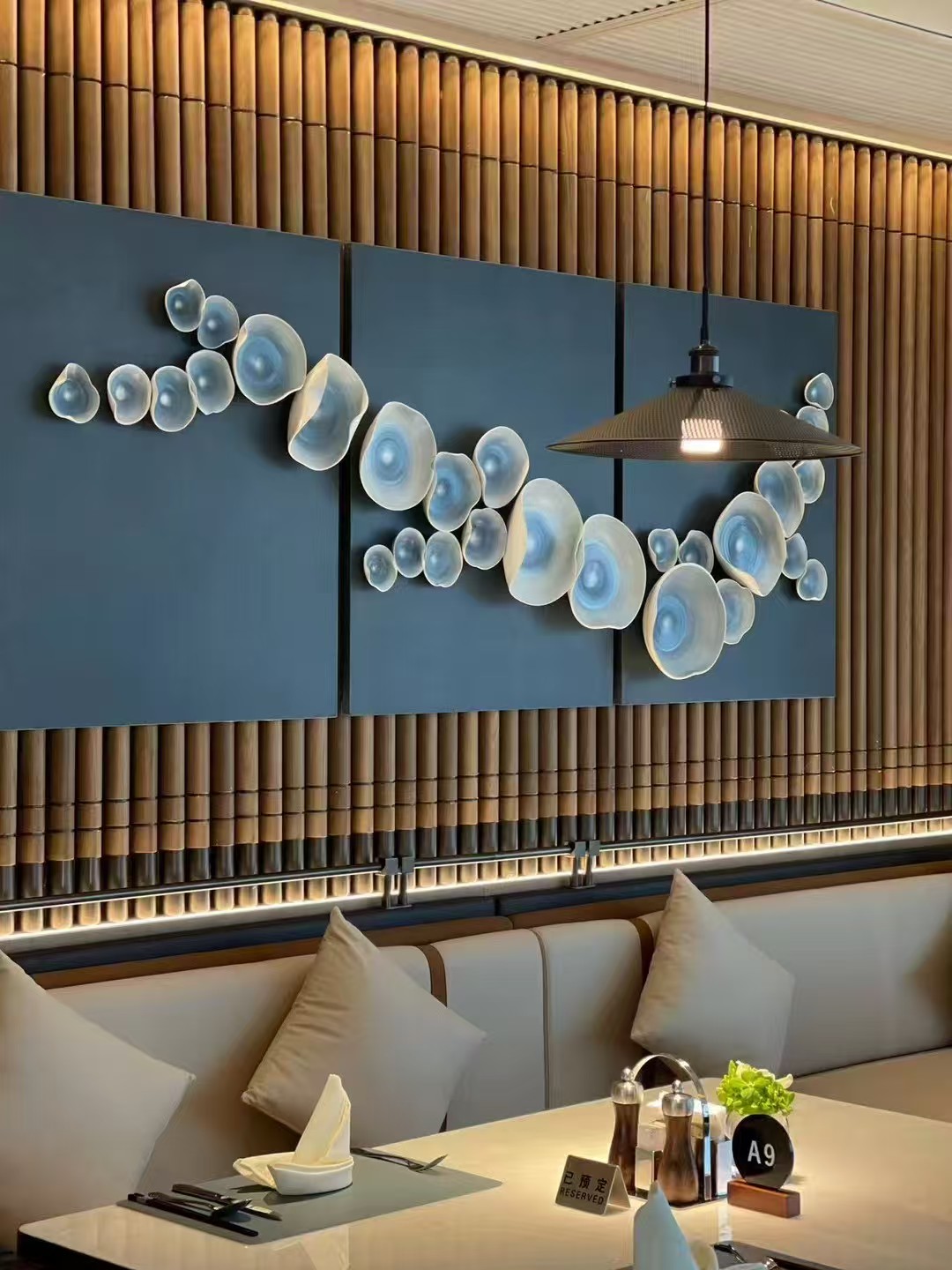
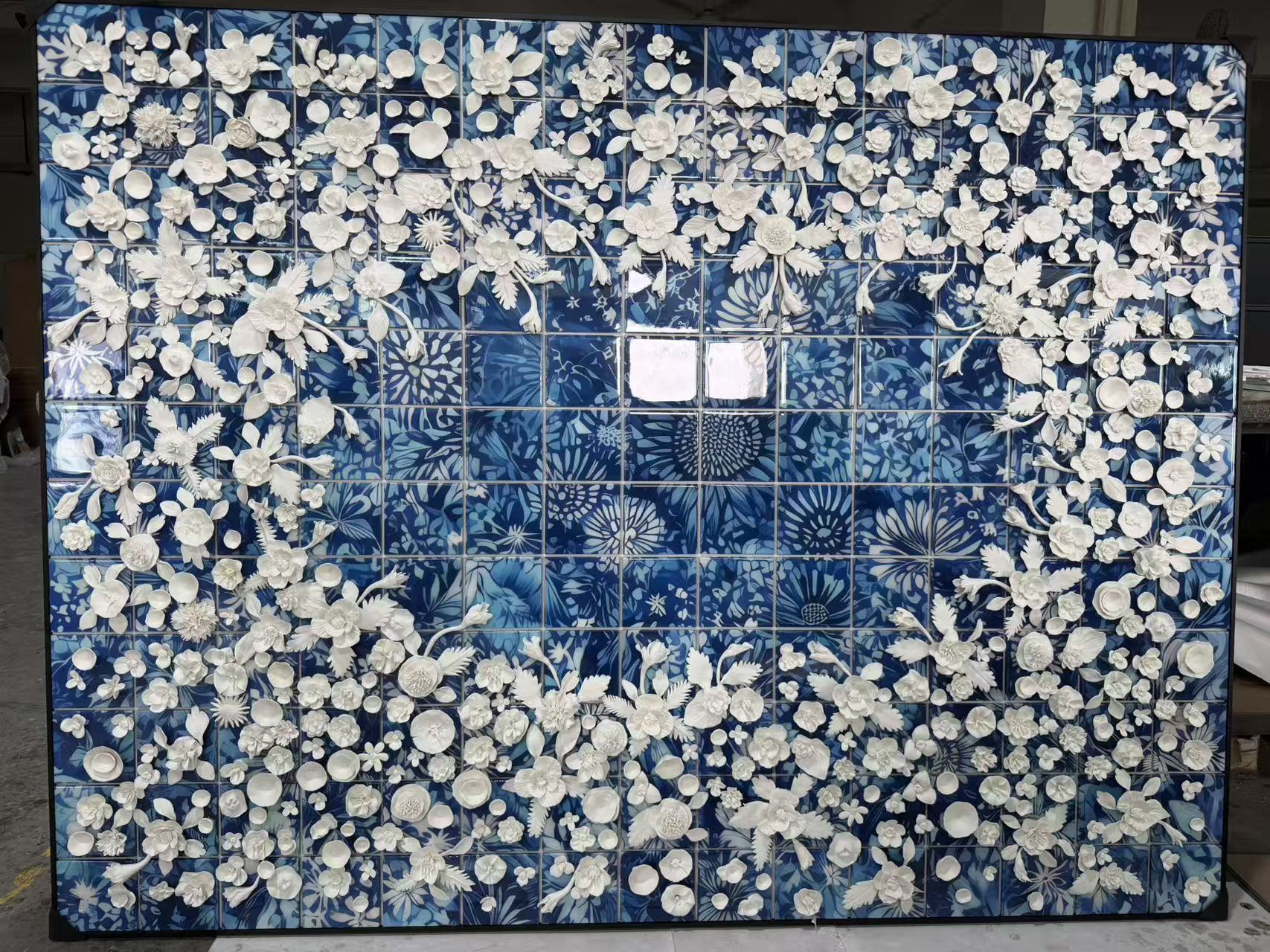
In architecture, ceramics are making waves in new building materials and decor. Advanced ceramic composites are being used for exterior walls, offering both aesthetic appeal and practical benefits like insulation and soundproofing. For interiors, large-scale ceramic murals and artistic tiles have become statement pieces, creating personalized, artistic spaces. Even in tech, smart ceramic products are emerging—such as self-cleaning ceramic bathroom fixtures. These use special surface coatings that leverage photocatalysis to break down dirt, bringing added convenience to daily life.
Fueled by digitization, sustainability, and cross-industry collaboration, the ceramic industry is experiencing a fresh burst of vitality. Its future looks incredibly promising—and definitely worth keeping an eye on.