What Is a Ceramic Decorating Company?
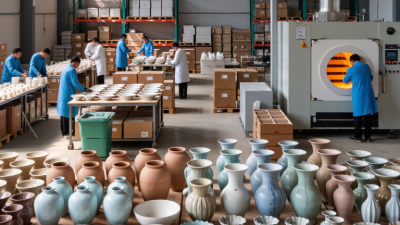
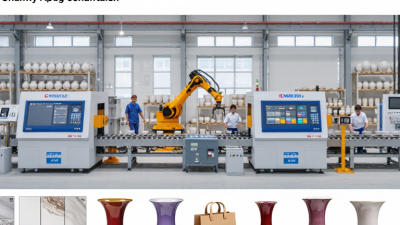
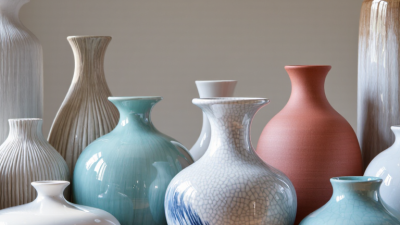
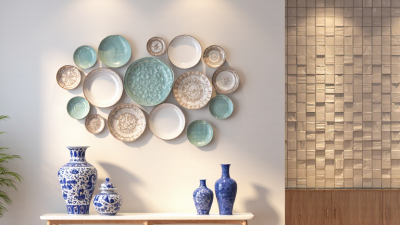
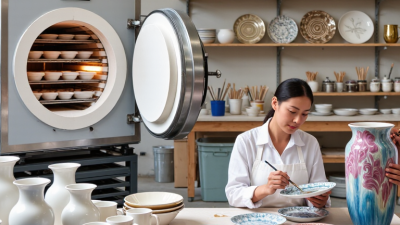
A Ceramic Decorating Company takes simple ceramic pieces and transforms them into finished products packed with color, texture, personality, and commercial appeal. Their work might include hand-painting, screen printing, decals, glazing, luster finishes, and firing in the kiln. Each step needs precise temperature control, tested materials, and thorough surface inspections—because even a tiny flaw can totally change the final look. It’s kind of amazing how much detail and care goes into this process. Industry reports really highlight why this work is so important, too. For example, Grand View Research points out that there's a growing demand for custom ceramic tableware, decorative items, and high-end home pieces. Likewise, Fortune Business Insights notes that the ceramic tableware market keeps growing, thanks in part to hospitality, retail, and consumers wanting durable, stylish designs. But honestly, those reports don’t cover every workshop out there perfectly; they tend to group together manufacturers, decorators, and suppliers, which can be a little misleading. That’s something to keep in mind. A good Ceramic Decorating Company acts as a bridge between creative vision and production. They can match a glaze sample, protect a printed edge, or jot down firing conditions so future batches stay consistent. It’s also super important that they clearly explain any limitations related to food safety. Smaller studios often offer a more personal touch, with direct supervision, while bigger plants usually have higher capacity and better documentation on hand. Bernard Leach, a legendary ceramic artist and teacher, once said, “The potter’s wheel is the best teacher.” And honestly, that still holds true. Materials tend to reveal mistakes — and sometimes, they even show you better ideas than you initially had. A thoughtful, skilled company can design and decorate everything from a hotel collection to a retail line or a unique Paper Bag Vase Ceramic concept. But decoration isn’t just about making something look pretty. It’s a mix of craftsmanship, technical testing, responsible sourcing, and honest communication. When done well, the results aren’t just beautiful—they’re tough enough to handle daily use, washing, shipping, and customer handling. That’s what really makes all the effort worth it.
Read more »