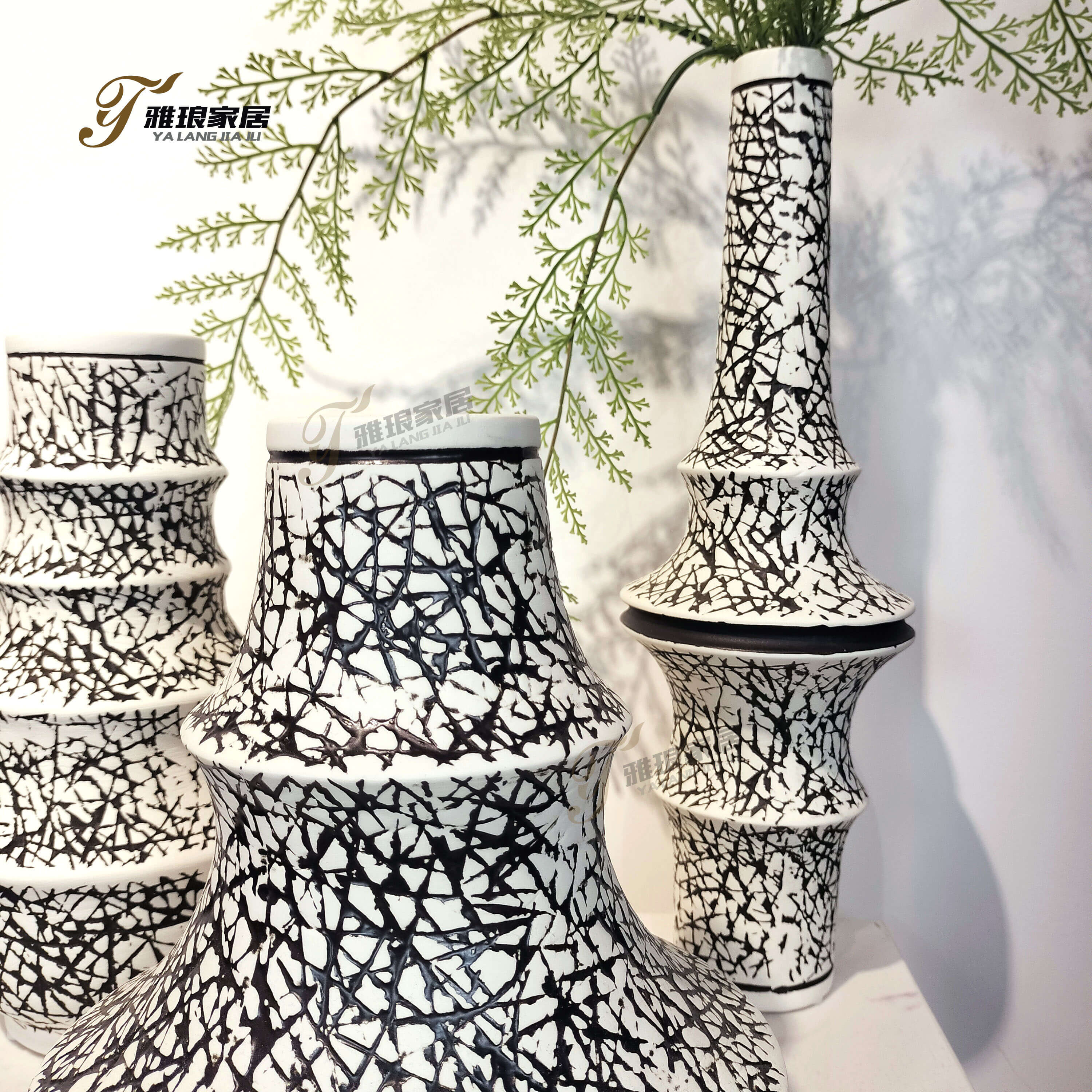
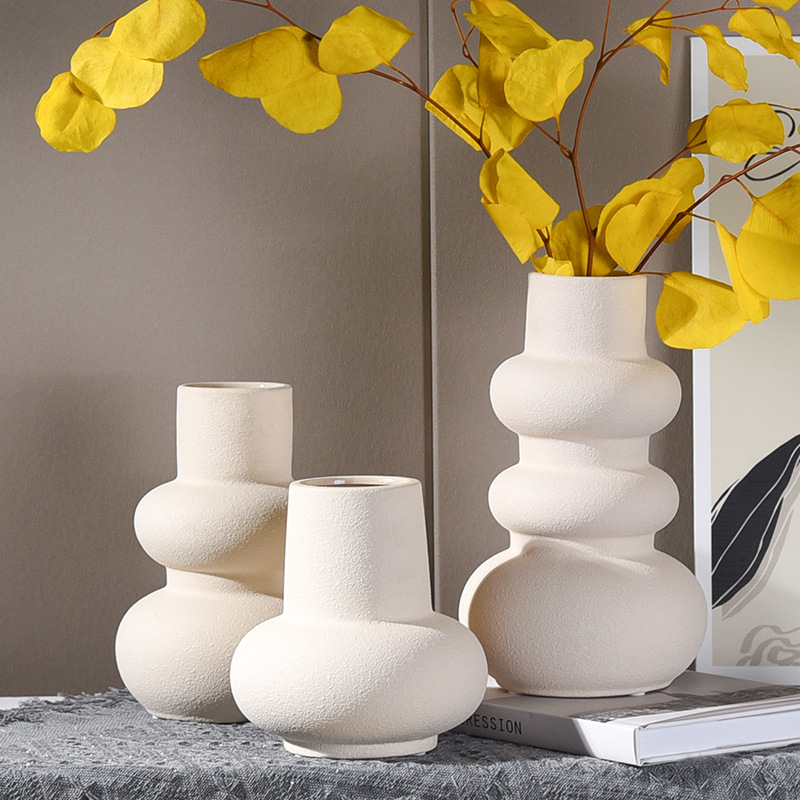
As we head into 2025, it’s pretty clear that interior design is still changing and evolving. People are loving fresh new styles and materials that really bring a personality to our homes. One thing that keeps catching everyone’s eye? Ceramic home decor. It’s such a classic choice, mixing practicality with a touch of artistry — and it just never goes out of style. This year, the buzz definitely highlights just how versatile ceramics can be. They add that cozy warmth and character that make any room feel more inviting and stylish all at once.
Plus, there's a real shift towards eco-friendly design these days, which just makes ceramic pieces even more appealing. Artisans and designers are now putting a lot of effort into sustainable practices, so the unique and long-lasting ceramics we see in homes are not just beautiful—they also tell stories, carry culture, and support the planet. From beautifully detailed vases to bold, eye-catching tiles, Ceramic Decor isn’t just about looks anymore — it’s about personal expression. We’re here to show you how this trend can genuinely transform your space into a cozy yet stylish retreat, full of character, charm, and creative inspiration.
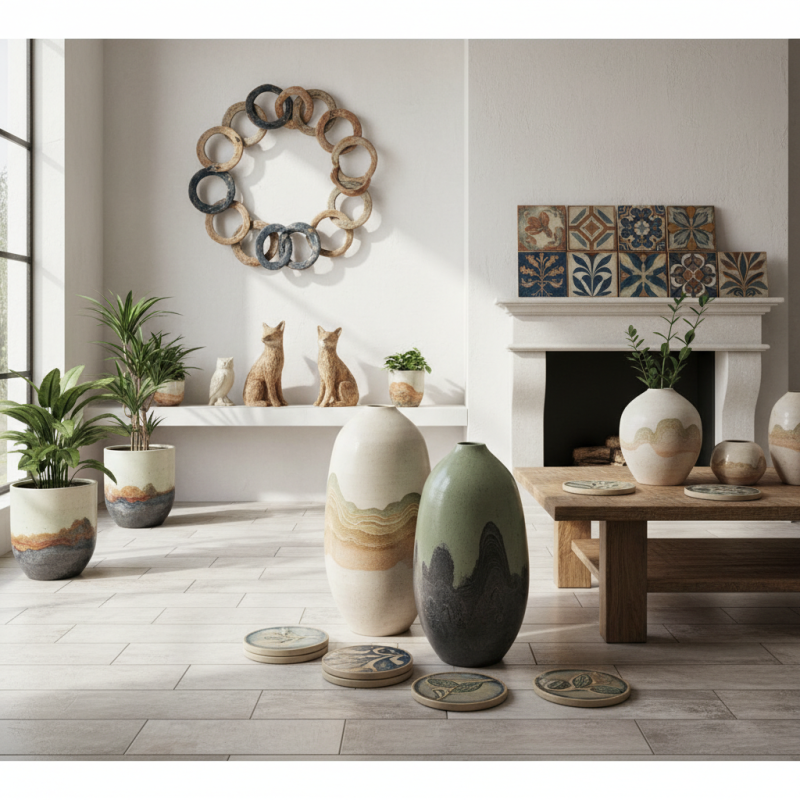
Emerging Trends in Ceramic Materials for Home Decor in 2025
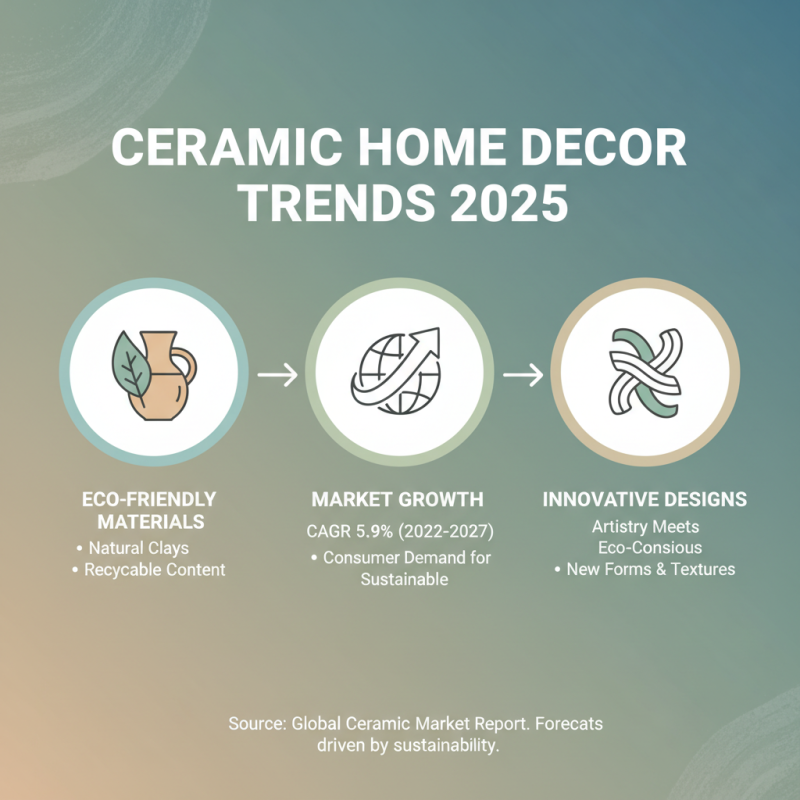
As we approach 2025, the ceramic home decor landscape is poised for compelling transformations, driven by innovative designs and sustainable materials. Emerging trends highlight a remarkable shift towards eco-friendly ceramics, as manufacturers increasingly focus on reducing their environmental impact. The Global Ceramic Market Report predicts a CAGR of 5.9% from 2022 to 2027, driven by heightened consumer interest in sustainable products. Many designers are now utilizing natural clays and recyclable materials in their creations, ensuring that the artistry of ceramics aligns with eco-conscious values.
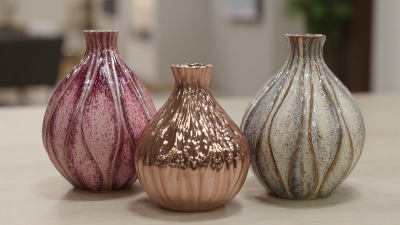
In addition to sustainability, the aesthetic qualities of ceramic materials are evolving. The trend towards artisanal and handcrafted ceramics continues to gain momentum, as consumers seek unique, one-of-a-kind pieces that reflect personal style. Textured finishes and organic shapes are among the favored styles, with a report from the International Ceramics Association noting a 45% increase in demand for such designs over the last two years. This preference not only underscores a desire for individuality in home decor but also signifies a deeper appreciation for craftsmanship. The integration of innovative glazes that enhance color vibrancy and tactile experience is expected to be a defining characteristic of ceramic home decor in 2025. As these trends grow, they mark a significant evolution in how ceramics are perceived, moving from functional items to integral elements of stylish and elegant interiors.
The Role of Sustainable Ceramics in Modern Interiors
Sustainable ceramics are at the forefront of modern interior design, reflecting a growing consumer demand for environmentally conscious products. As homeowners strive to create elegant living spaces, the use of ceramics crafted from natural materials and eco-friendly processes is becoming increasingly popular. These sustainable pieces not only enhance the aesthetic of interiors but also contribute to a healthier planet. Artisans are now experimenting with organic clays and non-toxic glazes, resulting in beautiful, unique home decor that aligns with the values of sustainability.
Incorporating sustainable ceramics into home decor brings both style and a sense of responsibility. Whether it’s a beautifully hand-crafted vase or minimalist tableware, these pieces often tell a story of craftsmanship and respect for the environment. Furthermore, they can serve as conversation starters, inviting guests to appreciate the blend of artistry and sustainability. As interior trends gravitate towards more ethical choices, the role of sustainable ceramics becomes a key element in creating stylish yet conscious living spaces, emphasizing that elegance does not have to come at the expense of our planet.
Popular Color Palettes Influencing Ceramic Decor Choices in 2025
As we look toward 2025, the world of ceramic home decor is set to be transformed by a stunning array of color palettes that not only reflect aesthetic preferences but also promote psychological well-being. According to recent insights from industry reports, colors like earthy terracotta, tranquil blues, and soft greens are gaining traction, as they evoke a sense of calm and connection with nature. This shift suggests a growing desire for interiors that foster relaxation and mindfulness, emphasizing the need for decor that serves both functional and emotional roles in our living spaces.
Tips: When selecting ceramic pieces for your home, consider earthy tones that resonate with your personal style while promoting a serene atmosphere. Opt for items that blend seamlessly with natural materials like wood and stone to create a harmonious environment.
In 2025, we can expect a surge in mixed media designs, where ceramics merge with metals and textiles, allowing homeowners to create unique and personal decorative accents. Vibrant jewel tones, which have seen a resurgence, will also play a crucial role in enriching the home. Industry projections indicate that these colors not only enhance the overall aesthetic but also contribute to higher mood levels and increased creativity within the space.
Tips: Experiment with bold colors in smaller ceramic accent pieces; they can enliven a room without overwhelming your overall decor scheme. This strategy allows you to infuse personality into your interiors while designing a balanced and elegant living space.
Integrating Textured Ceramics for Enhanced Aesthetic Appeal
Textured ceramics have increasingly become a focal point in home decor, blending functionality with artistic flair. According to the recent "Global Home Decor Market Report," the demand for textured ceramics is expected to grow by 7.2% annually through 2025, reflecting a significant shift towards more tactile and visually engaging materials in interior design. Designers and homeowners alike are recognizing that textured ceramics not only add depth to a room but also evoke a sense of warmth and personality that flat surfaces often lack.
Integrating textured ceramics into various spaces—such as using a handcrafted Ceramic Vase on a minimalist shelf or layering differently textured tableware—can create a harmonious aesthetic that invites touch and contemplation. A study by the "Journal of Interior Design" highlighted that the use of varied textures can enhance a room's overall ambiance, making it feel more inviting and lived-in. As consumers seek to personalize their spaces, the allure of unique, handcrafted ceramic pieces allows for creative expression and contributes to a richer, more dynamic living environment. This trend emphasizes the importance of not just how a decor item looks, but how it feels in conjunction with other elements within the space.
Innovative Ceramic Techniques Shaping Contemporary Home Design
In recent years, innovative ceramic techniques have revolutionized contemporary home design, leading to a remarkable fusion of aesthetics and functionality. One standout trend is the incorporation of Handmade Ceramics, which not only adds a personal touch to interiors but also emphasizes sustainability. According to a report by Grand View Research, the global ceramics market is projected to reach USD 374.1 billion by 2025, highlighting the growing consumer preference for unique, artisanal pieces that tell a story.
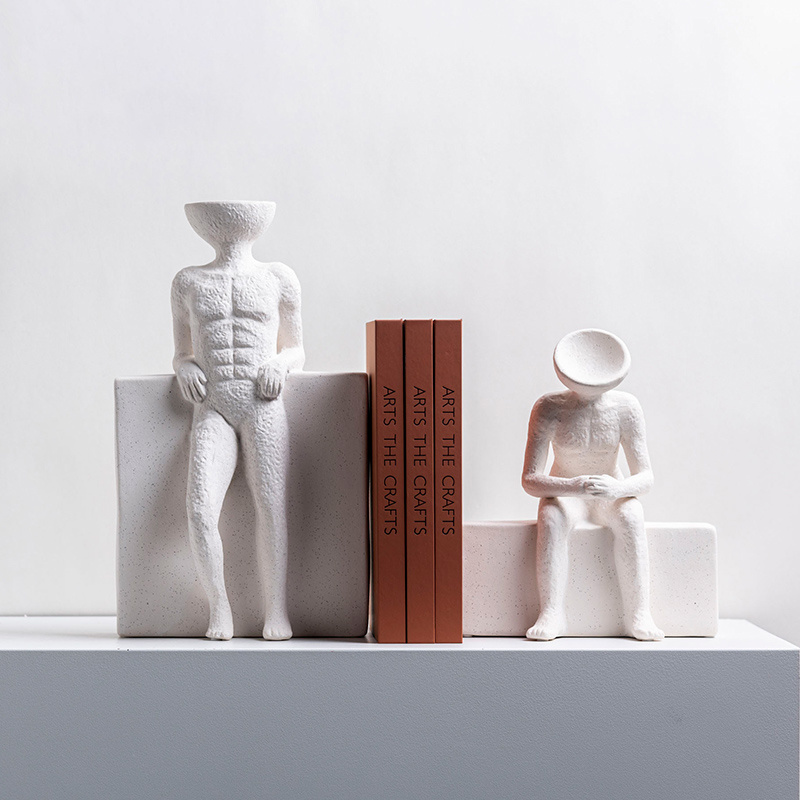
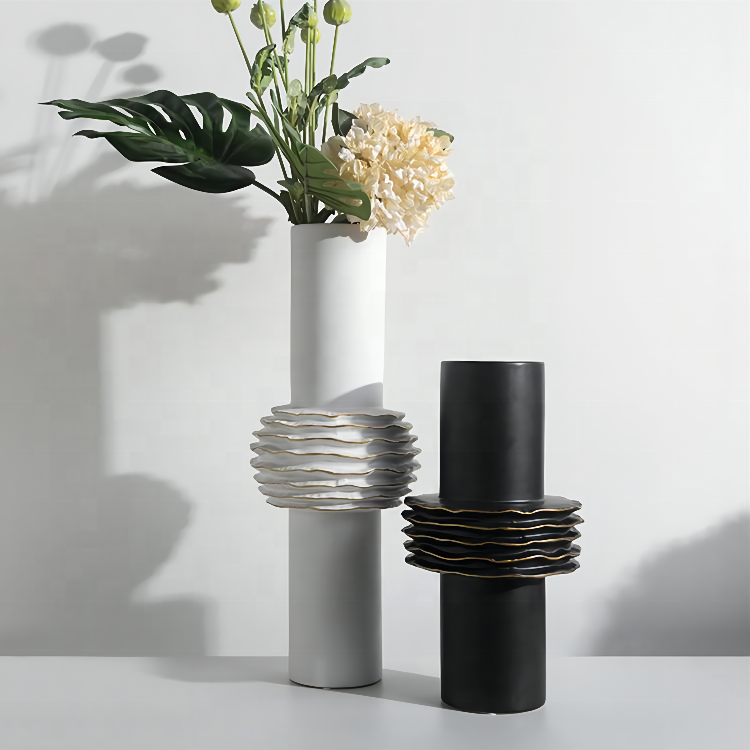
Additionally, advancements in ceramic glazing techniquesare allowing designers to experiment with intricate textures and bold colors, elevating the visual appeal of Ceramic Decor. These innovations are particularly influential in creating statement pieces, such as oversized ceramic vases and intricate wall art, which have become focal points in modern interiors. A survey from the Interior Design Show indicated that72% of homeowners are leaning towards incorporating more unique ceramic designs into their living spaces, reflecting a shift towards more personalized and expressive home decor.
Tips for incorporating these trends include mixing various ceramic textures to create depth and interest within your space. Pairing matte and glossy finishes can elevate your decor. Additionally, consider sourcing local artisans to bring authenticity and support sustainability. When planning your decor, remember that less can be more; focus on selecting a few standout pieces that resonate with your personal style for a sophisticated aesthetic.
Consumer Preferences and Buying Trends in Ceramic Decor Items
The ceramic home decor market is seeing a surge in consumer interest as more homeowners seek stylish yet functional pieces that can enhance their living spaces. In 2025, there is a noticeable shift towards minimalist designs and earthy tones, reflecting a desire for tranquility and warmth in interior decor. Consumers are gravitating towards handcrafted ceramic items that add a personal touch to their homes, with an emphasis on sustainability and supporting local artisans. This trend aligns with the growing awareness of eco-friendly practices, as buyers favor materials that are both beautiful and environmentally conscious.
Tips for selecting Ceramic Decor items include considering the overall aesthetic of your space to ensure that the pieces complement your existing furnishings. Opt for neutral shades to create a serene atmosphere, or choose bold, vibrant colors for a more dynamic focal point. Additionally, look for items that serve double duty — such as decorative bowls that can also hold keys or candles. Incorporating textures, like matte and glossy finishes, can add depth to your decor while maintaining a cohesive look.
As consumer preferences continue to evolve, tactile experiences become increasingly important. Consumers are seeking out ceramics that invite touch, such as textuRed Vases or intricately designed plates. This tactile quality not only enhances the visual appeal of a space but also creates an inviting atmosphere. When curating your collection, consider mixing sizes and shapes to create an interesting display that tells a story while remaining stylish and sophisticated.
2025 Top Ceramic Home Decor Trends
The Impact of Technology on Ceramic Production for Home Interiors
The ceramic industry is undergoing significant transformation thanks to advancements in technology, fundamentally altering the way home décor items are produced. According to a report by the Global Ceramic Tile Market, the use of automation and smart manufacturing technologies is projected to increase efficiency and reduce production costs by as much as 30% by 2025. This shift not only allows manufacturers to meet growing consumer demands but also enhances design capabilities, enabling the creation of intricate patterns and textures that were previously unimaginable.
Moreover, the advent of 3D printing technologies has ushered in a new era for ceramic home décor. This innovative approach allows for the rapid prototyping of unique designs, allowing artists and designers to experiment and customize products without the prohibitive costs associated with traditional methods. A recent market analysis predicts that the 3D printed ceramics segment will experience a compound annual growth rate (CAGR) of over 25% in the next few years. As a result, consumers can expect to see an influx of personalized decorative items that reflect their individual style, further enhancing the elegance of modern living spaces.
In addition, technologies such as AI and machine learning are being leveraged to optimize the glazing and firing processes, resulting in more consistent quality and improved ecological sustainability. A report by the Eco-Friendly Ceramics Association highlights that the integration of these technologies could reduce energy consumption in production by up to 40%, aligning with global trends towards greener manufacturing practices. Thus, technology is not only shaping the aesthetics of ceramic home décor but is also paving the way for sustainable and efficient production practices.
FAQS
: Sustainable ceramics are made from natural materials and eco-friendly processes, reflecting a growing consumer demand for environmentally conscious products. They enhance the aesthetic of living spaces while contributing to a healthier planet.
Sustainable ceramics, such as hand-crafted vases and minimalist tableware, not only add style but also tell a story of craftsmanship and respect for the environment, making them great conversation starters.
Current trends include the incorporation of Handmade Ceramics, innovative glazing techniques, and personalized designs that emphasize sustainability and unique artistry, making them focal points in modern interiors.
To create depth and interest, homeowners should mix various ceramic textures, such as pairing matte and glossy finishes, and focus on selecting a few standout pieces that resonate with their personal style.
Advancements in technology, such as automation and smart manufacturing, have increased efficiency and reduced production costs. Additionally, 3D printing allows for rapid prototyping of unique designs, enabling greater customization of Ceramic Decor.
The integration of technologies like AI and machine learning optimizes the glazing and firing processes, resulting in improved quality and energy efficiency, with potential reductions in energy consumption by up to 40%.
Consumers are seeking artisanal, one-of-a-kind pieces that tell a story, as there is a growing trend towards personalization and self-expression in home decor.
The 3D printed ceramics segment is projected to grow significantly, leading to an influx of personalized decorative items that reflect individual styles in modern living spaces.
Sourcing local artisans not only brings authenticity and uniqueness to home decor but also supports sustainable practices within the community.
Homeowners should focus on selecting a few standout ceramic pieces that resonate with their style, as adopting a "less is more" approach can lead to a more sophisticated and elegant interior.
Conclusion
The article "2025 Top Ceramic Home Decor Trends for Stylish Interiors and Elegant Living" explores the dynamic landscape of ceramic home decor, highlighting emerging trends that will shape stylish interiors. Key themes include the growing emphasis on sustainable ceramics, which resonate with modern eco-conscious consumers, and popular color palettes that are influencing design choices this year. The integration of textured ceramics is also emphasized, enhancing the aesthetic appeal of home environments.
Additionally, innovative ceramic techniques are redefining contemporary home design, while consumer preferences reflect a shift towards unique, artisanal decor items. The impact of technology on ceramic production is another critical aspect, enabling greater creativity and efficiency in crafting decorative pieces. Overall, these trends signify a vibrant future for ceramic home decor, marrying elegance with sustainability in interior design.



 Home
 1Durch die gruppenweite Einführung und Harmonisierung unseres integrierten Managementsystems (IMS) werden alle bestehenden Unternehmens-, Qualitäts-, Umwelt- und Energiepolitiken durch diese Unternehmenspolitik ersetzt. Der Slogan „Textil hat Zukunft – auch in De