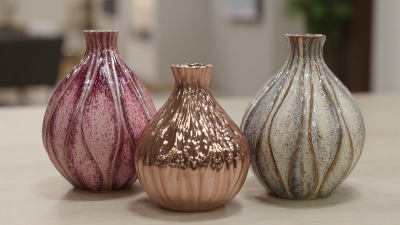
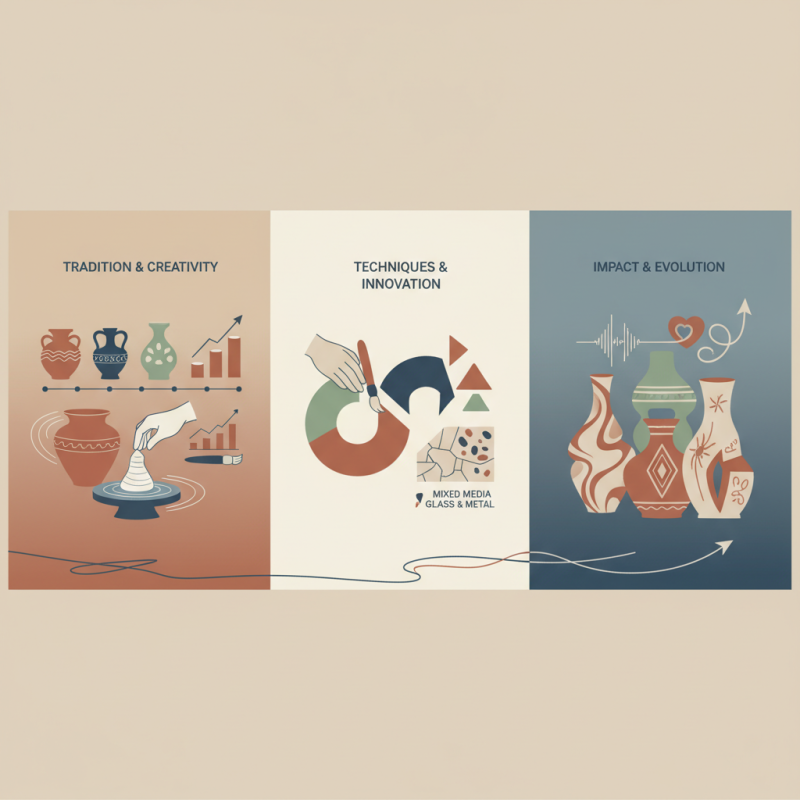
Ceramic Art Vases really sit at this cool crossroads between tradition and creativity. I mean, this craft has been around for thousands of years, representing so many different cultures and artistic vibes. Lately, there’s been this interesting comeback — reports say the global market for ceramic art was worth around $3 billion in 2022. That’s pretty wild, right? It just shows how people are really starting to appreciate craftsmanship and the beauty in handmade stuff again.
The way artists make these vases varies a lot — some still do the classic hand-throwing on a wheel, while others play around with modern glazing techniques. These days, many incorporate mixed media, pushing the boundaries of traditional design. It’s exciting to see how this evolution sparks fresh styles that grab the attention of collectors and art lovers alike. But let’s be honest: not every vase manages to stand out or get recognized. Some struggle to find that perfect balance between technical skill and personal artistic vision. Thinking about this, it really makes you wonder — what is it that truly defines your voice in the art world?
Even though Ceramic Vases are gaining popularity, not every piece really clicks with everyone. Things like cultural relevance or emotional resonance often determine whether a piece becomes a hit or not. As the market keeps shifting, artists need to navigate these tricky waters with some thoughtfulness and a dash of experimentation. Ultimately, every vase has a story — one that’s worth delving into and reflecting on. After all, that’s what makes this art form so captivating, right?
Definition of Ceramic Art Vases
Ceramic Art Vases are unique creations that combine functionality with aesthetic appeal. These vases are typically made from clay that is shaped and fired in a kiln. The process transforms the raw material into a durable form. Each vase tells a story through its shape, glaze, and texture. Some vases are minimalist, while others are vibrant and intricate. The diversity of designs showcases the skill and creativity of the artist.
The definition of Ceramic Art Vases goes beyond mere decoration. They can serve as a canvas for artistic expression. Artists often experiment with various techniques, likehand-building or wheel-throwing. This exploration can lead to unexpected results. Sometimes, a failed attempt may yield a piece that is oddly beautiful. The imperfections in these works often add character. The texture may feel rough, or the glaze might run in unpredictable ways. Each piece is a reflection of the artist's journey, revealing insights into their craft.
In the world of ceramic art, learning never stops. Artists continue to adapt and refine their techniques. Each creation invites viewers to ponder the meaning behind the form. It's a constant cycle of creation, reflection, and growth. As one explores the styles, the possibilities become endless. Each vase is a conversation starter, inviting dialogue about art and life.
Historical Overview of Ceramic Vases in Art
Ceramic Vases have a rich history in art. They date back thousands of years. Some of the earliest examples were found in ancient Egypt. These vases were often used for practical purposes, like storing grain and water. Over time, they evolved into pieces of art. Different cultures developed their own styles and techniques.
In ancient Greece, vases were adorned with intricate paintings. These artworks told stories and celebrated mythology. Chinese ceramics also flourished, particularly during the Tang and Ming dynasties. The techniques used in China influenced ceramics worldwide. However, not all cultures received equal recognition. Some styles faded away, overshadowed by others. This brings attention to the importance of preservation.
Today, Ceramic Vases come in diverse forms. Artists experiment with glazes and shapes. However, challenges remain. Some techniques are lost, while new trends take over. The dialogue between tradition and modernity continues. Exploring these vases offers insight into human creativity. Each piece reflects a story, waiting to be uncovered.
Historical Overview of Ceramic Vases in Art
Major Styles of Ceramic Art Vases
Ceramic Art Vases come in various styles, reflecting unique artistic expressions. Traditional pottery, often crafted by hand, holds rich cultural significance. These vases feature earthy tones and simple designs. They evoke a sense of nostalgia and connect people to their roots. Some might find these styles too plain, missing the intricate details of modern pieces.
In contrast, contemporary Ceramic Vases embrace bold colors and experimental shapes. Artists use innovative techniques, such as glazing and layering. These vases become statement pieces in any room. Yet, some may struggle with their practicality. The avant-garde designs can sometimes overshadow functionality. This challenge raises questions about the balance between art and utility.
Another notable style is the Asian-inspired vase, known for its elegance. These often include delicate patterns and flowing forms. Their beauty is undeniable, yet they can feel overly ornate. Some might think less is more, preferring minimalistic designs. Reflecting on these styles can help an artist find their voice in the vast world of ceramic art. Each vase tells a story, waiting to be explored and appreciated.
Techniques Used in Creating Ceramic Vases
Creating Ceramic Vases involves a variety of techniques that influence the final product's aesthetics and functionality. Hand-building, wheel-throwing, and molding are the primary methods. Hand-building allows for personal expression, letting artists mold clay into unique shapes. Wheel-throwing can be efficient and precise, often leading to symmetrical forms. Each method has distinct textures and forms.
According to industry reports, the global ceramic arts market has shown steady growth, projected to reach $10 billionby 2026. This growth highlights the increasing appreciation for Handmade Ceramics. The techniques used in creating vases reflect not only skill but also an evolving artistic narrative.
Tips: Experiment with different clays. Stoneware, earthenware, and porcelain offer various results. Each type responds differently to firing. Pay attention to glaze application; it can make or break the vase’s appeal. Remember, mistakes can lead to new styles and adaptations. Embrace the journey of imperfection in your creations. Sometimes the best pieces emerge from unexpected outcomes.
Cultural Significance of Ceramic Vases in Different Societies
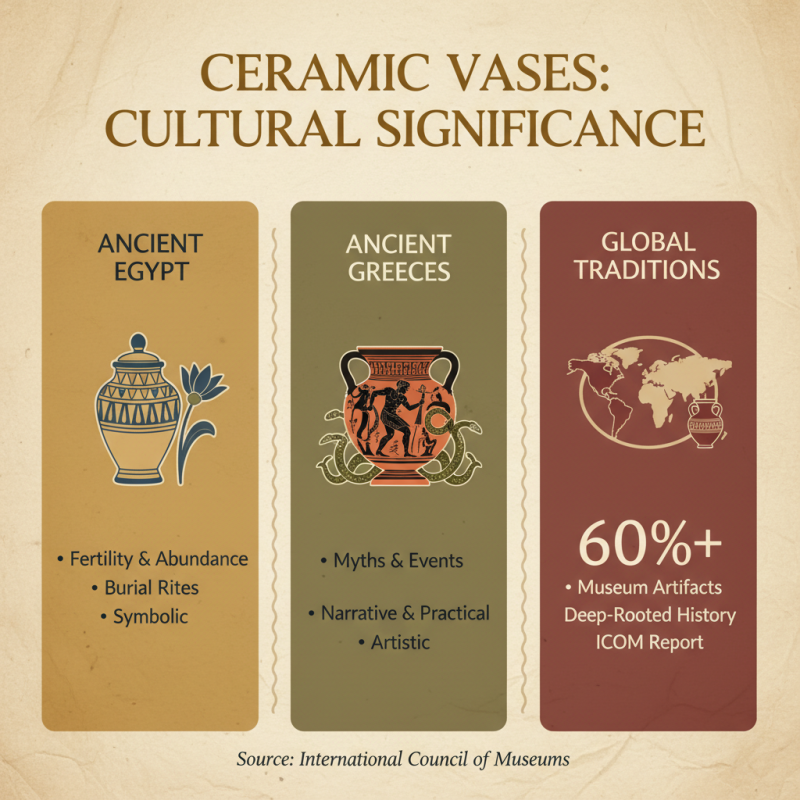
Ceramic vases hold deep cultural significance across various societies. In ancient Egypt, these vases were symbolic of fertility and abundance. Archaeologists found that many were used in burial rites. Similarly, in ancient Greece, vases depicted myths and life events, serving both practical and narrative functions. According to a report by the International Council of Museums, over 60% of ceramic artifacts in museum collections reflect these deep-rooted traditions.
In many African cultures, ceramic vases play a vital role in rituals. They often represent community identity. For example, the Yoruba people use intricately designed vases in ceremonies. Each design carries specific meanings, which reflects their rich storytelling heritage. However, as globalization increases, these traditions face dilution. The craftsmanship of handmade vases may slowly vanish in favor of mass production.
In Asia, particularly in China, ceramic vases serve both aesthetic and functional purposes. The Ming Dynasty is renowned for its porcelain vases, which are now coveted worldwide. Despite this, the younger generations often prefer modern designs. Many artisans express concern about this shift. Preservation of traditional techniques is at risk. This shift highlights the tension between cultural heritage and contemporary preferences.
Modern Trends in Ceramic Vase Artistry
Ceramic vase artistry has seen remarkable evolution in recent years. Modern trends indicate a shift towards unique, handcrafted pieces. Artists embrace imperfections, celebrating the beauty of randomness. Each vase tells a story, capturing the essence of its maker.
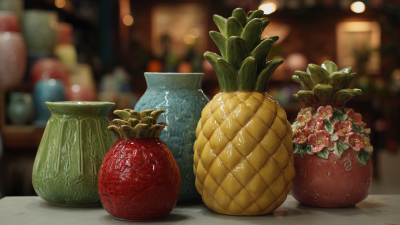
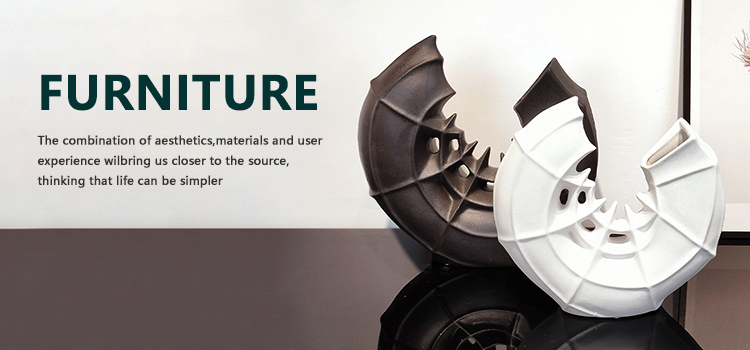
One popular trend is the use of unconventional shapes. Spiky edges, asymmetrical forms, and unexpected colors attract attention. These vases break traditional norms, inviting conversations. They can become focal points in any room, adding character and flair.
Tips: When selecting a ceramic vase, consider its emotional impact. Choose pieces that resonate with you. Don't shy away from quirky designs; they can add a playful touch to your space. Mix textures and colors for a more dynamic look. Remember, each piece holds a story. Embrace the imperfections, as they often enhance the charm of your collection. Explore local artisans for genuine finds.
Care and Maintenance of Ceramic Art Vases
Caring for ceramic art vases requires attention to detail. These unique pieces can be fragile and may require special handling. Remember, not all ceramic is created equal. Some are more durable than others.
To maintain their beauty, keep them away from direct sunlight. Prolonged exposure can fade colors and damage glazes. Dust them regularly with a soft cloth. Avoid using harsh chemicals or abrasive materials. They can scratch surfaces and ruin the finish.
Tips: Use a gentle dish soap mixed with water for deeper cleans. Rinse thoroughly to prevent residue buildup. If there are stubborn stains, consider a soft sponge. Be mindful that not all stains will come out. Sometimes, a mark can tell a story. Reflect on the imperfections; they add character to your vase.
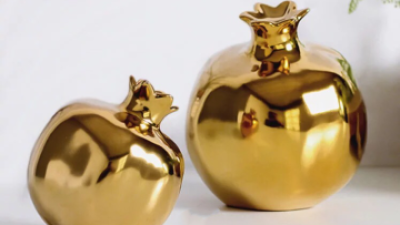
Elevate Your Space: The Charm of Golden Pomegranate Ceramic Ornaments as Luxurious Home Décor Accents
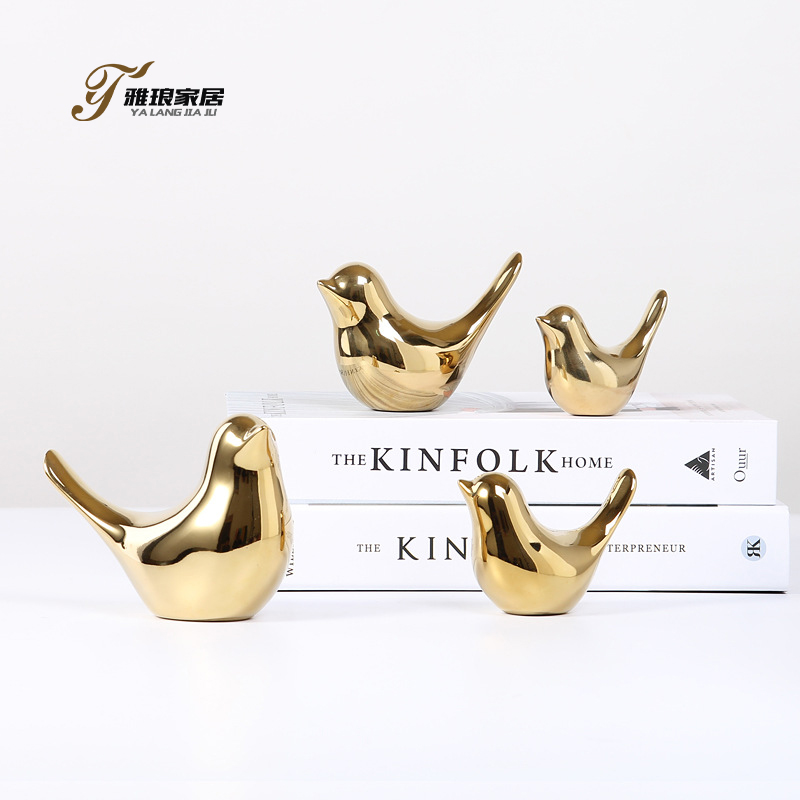
Elevate your space with the exquisite charm of golden pomegranate ceramic ornaments, a stunning addition to any home décor. These meticulously crafted pieces showcase a shiny gold finish that radiates luxury, making them ideal accents for various interiors. Their unique shape resembles pomegranates, a timeless symbol of abundance and prosperity, lending both aesthetic appeal and a deeper meaning to your living environment.
Incorporating these golden pomegranate ornaments into your decor can transform an ordinary space into a stylish sanctuary. Whether placed on a mantel, a coffee table, or within a bookshelf, their elegant presence draws attention and sparks conversation. Ideal for living rooms, bedrooms, or even office spaces, these ornaments effortlessly enhance the overall ambiance. Their luxurious shine complements a range of design styles, making them versatile decor options that fit seamlessly into any setting.
FAQS
: The article aims to provide detailed insights on a specific topic. It seeks to inform and engage readers.
The content is directed towards individuals interested in the subject matter. It may appeal to both beginners and experts.
Yes, the article includes real-life examples. These help illustrate key points and make concepts easier to understand.
The article presents current information. However, readers should always verify facts, as things may change over time.
Some claims may lack direct citations. It’s important to independently verify any information that seems questionable.
Feedback is encouraged, but the article does not provide a specific platform for comments. Readers might reflect on it personally.
Conclusion
Ceramic Art Vases are a captivating facet of artistic expression, reflecting a rich history and a variety of techniques stemming from different cultures. These vases not only serve functional purposes but also embody significant artistic styles that have evolved over time. From ancient civilizations to contemporary art movements, their forms and decorations tell stories of cultural heritage and societal values.
The creation of Ceramic Art Vases involves various methods, including hand-building, wheel-throwing, and glazing techniques, each enabling artists to explore their creativity. As modern trends continue to emerge, ceramic vase artistry remains dynamic, adapting to contemporary aesthetics while maintaining traditional craftsmanship. Proper care and maintenance of these vases are essential to preserve their beauty and significance, ensuring that they remain cherished pieces of art for future generations.



 Home
 1Durch die gruppenweite Einführung und Harmonisierung unseres integrierten Managementsystems (IMS) werden alle bestehenden Unternehmens-, Qualitäts-, Umwelt- und Energiepolitiken durch diese Unternehmenspolitik ersetzt. Der Slogan „Textil hat Zukunft – auch in De