Lately, the Ceramic Decoration industry has really gone through some pretty exciting changes. Experts keep stressing how important it is to keep up with the latest trends—it's almost like a must-do if you want to stay relevant. Dr. Emily Chen from Ceramic Innovations once said, “The real future is in blending technology with art in Ceramic Decoration,” and honestly, that really hits home for folks around the world. It’s such a common sentiment these days.
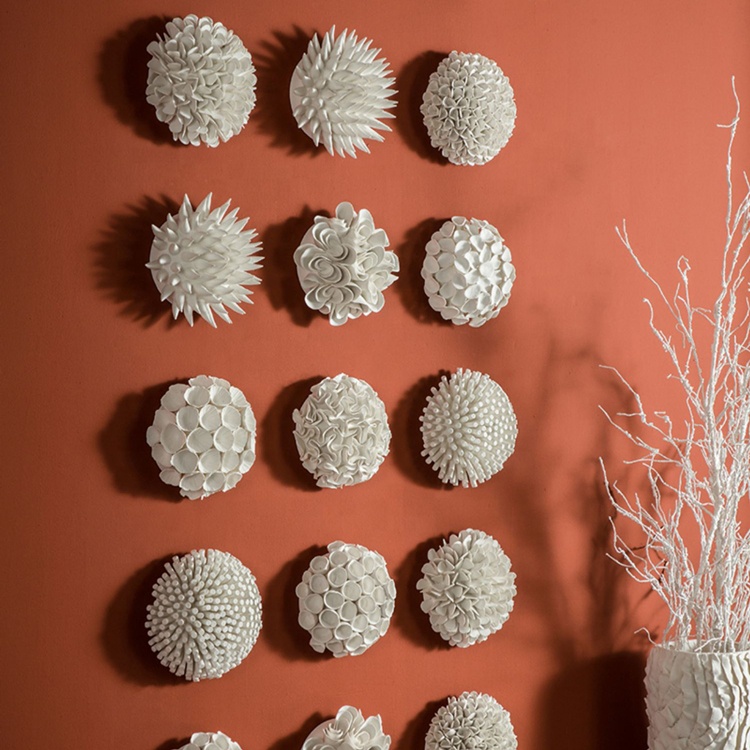
For buyers, the world of Ceramic Decor is full of cool options. Take wall ceramics, for example—they're really popular right now. You see a lot of bold colors and detailed patterns everywhere. Chinese craftsmen masterfully mix traditional techniques with fresh, modern styles, which results in truly one-of-a-kind pieces. That blend of old and new definitely attracts international buyers who are after something authentic but also innovative.
That said, not every trend is guaranteed to hit the mark. Some designs might not really connect with every audience out there. It’s so important for buyers to understand what people actually want. Tastes can be all over the place, and even the most creative makers can struggle if they don’t keep an eye on what’s trending. As the industry keeps changing, staying on top of these trends is key to staying successful. Basically, combining great design with a good sense of market insight will help buyers navigate this ever-shifting world of Ceramic Decoration.
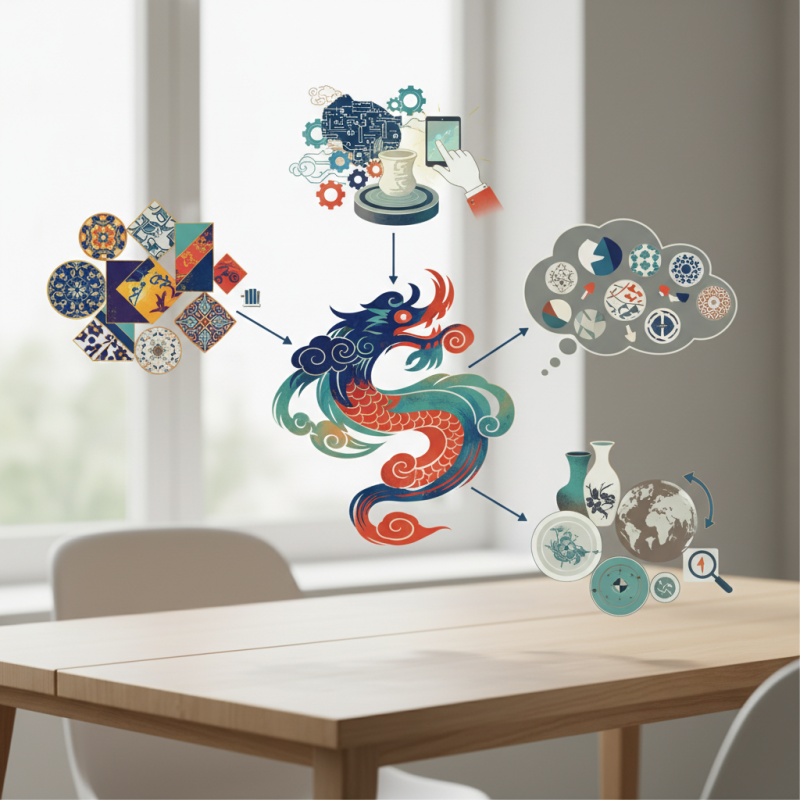
Emerging Ceramic Decoration Trends in China for Global Markets
China's Ceramic Decoration industry is currently experiencing a dynamic transformation. The country is at the forefront of innovative design trends that appeal to global markets. A recent report by the China National Building Material Group indicates that the Ceramic Decoration market is anticipated to grow by 5.4% annually, reflecting a steady demand for unique styles.
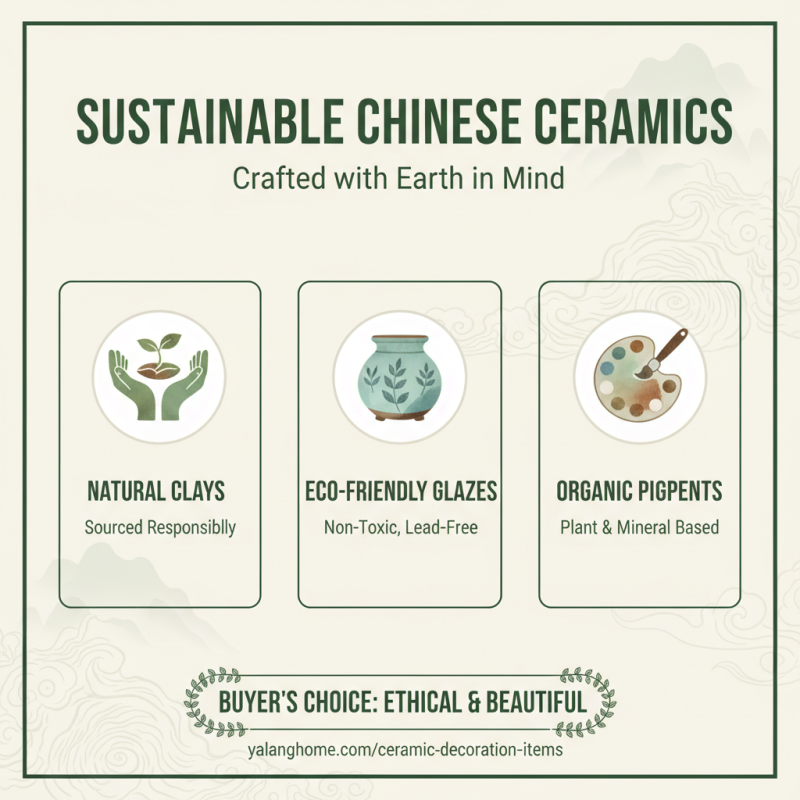
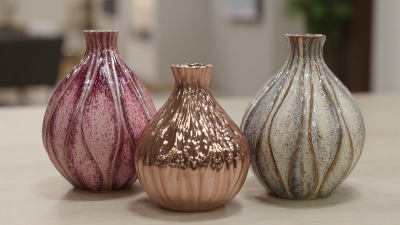
One notable trend is the embrace of sustainability in ceramics. Producers are increasingly using eco-friendly materials and techniques. This shift is supported by a study from the China Academy of Art, which highlights that 72% of consumers prioritize sustainable products. As a result, we see a rise in Ceramic Decoration Vases made from naturally sourced clay. These products often emphasize organic shapes and earthy tones, appealing to environmentally conscious buyers.
Another emerging trend involves the fusion of traditional Chinese artistry with modern aesthetics. Many contemporary Ceramic Decoration vases showcase intricate hand-painted designs alongside minimalist styles. Reports from global design fairs show that such combinations captivate international audiences. However, some artisans struggle to balance traditional techniques with modern demands. The challenge lies in innovating while preserving cultural significance, creating a gap that both old and new designers must reflect on as they navigate this evolving market.
Traditional Chinese Elements Influencing Modern Ceramic Designs
Traditional Chinese elements have been influencing modern ceramic designs in notable ways. Rich patterns and motifs are often drawn from the depths of Chinese culture. For instance, dragons, lotus flowers, and traditional landscapes frequently appear on ceramics. These iconic symbols evoke a sense of heritage and artistry. Many artists are blending these symbols with contemporary aesthetics. The result is a beautiful fusion that appeals to both tradition and modernity.
The use of vibrant glazes and intricate textures also reflects traditional influences. Ceramics often showcase brushstroke techniques reminiscent of ancient calligraphy. Textured surfaces add a tactile quality, enhancing the visual experience. However, this pursuit of innovation can sometimes overshadow cultural significance. Some pieces lose their original narrative in the quest for modern appeal. It's a delicate balance that artists must navigate, reminding us of the importance of cultural integrity in design.
Moreover, new generations of ceramicists are inspired by historical figures and stories. Their work serves as a dialogue between past and present. This connection fosters appreciation for Chinese heritage while remaining relevant in today's market. However, not every design successfully bridges this gap. Several creations may feel disjointed or fail to resonate with viewers. The challenge remains in preserving authenticity while exploring new horizons.
Top Ceramic Decoration Trends from China for Global Buyers
| Trend | Description | Traditional Influence | Modern Application |
| Blue and White Porcelain | Classic designs characterized by intricate blue patterns on a white background. | Inspired by Ming Dynasty art. | Used in contemporary dinnerware and decorative pieces. |
| Jingdezhen Craftsmanship | High-quality, hand-crafted ceramics with detailed workmanship. | Rooted in the historical city of Jingdezhen. | Employed in artisan luxury home decor items. |
| Nature-Inspired Designs | Patterns and colors reflecting natural landscapes and elements. | Influenced by traditional Chinese landscape painting. | Appreciated in modern ceramics and tableware. |
| Minimalism | Simple forms and subtle colors create understated elegance. | Echoes Zen philosophies and aesthetics. | Popular in contemporary ceramic art and functional designs. |
| Celadon Glaze | Translucent green glaze celebrated for its beauty. | Ancient technique originating from the Tang Dynasty. | Used in both traditional ceramics and modern interpretations. |
Sustainable Materials and Techniques in Chinese Ceramics
Sustainable materials and techniques are becoming central to the ceramic decoration scene in China. Manufacturers are increasingly using natural clays, eco-friendly glazes, and organic pigments. These choices reflect a commitment to environmental responsibility. Buyers are more conscious about the sourcing of materials for Ceramic Decoration Items.
Techniques like hand-painting and glazing with sustainable methods not only enhance art but also reduce waste. Artisans utilize discarded materials creatively, turning potential waste into beautiful ceramics. This approach adds unique character to each piece. However, the challenge remains in ensuring consistency while embracing such practices.
Although many artisans pride themselves on their sustainable efforts, not all practices are fully transparent. Buyers may find it tough to track the origin of materials. It’s necessary for them to ask questions and seek certifications. Understanding the journey of these ceramic decoration items helps bridge the gap between artistry and sustainability. More dialogue is needed in the industry to create awareness and inspire trust.
Color Schemes and Patterns Popular in Current Chinese Ceramics
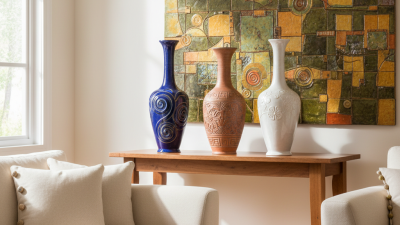
Chinese ceramics are experiencing a revival, showcasing vibrant color schemes and intricate patterns. The current trend leans towards bold, saturated colors like deep blues, rich reds, and earthy greens. These colors evoke a sense of history and craftsmanship, appealing to global buyers seeking authenticity. Ceramics featuring these hues can enrich any home, making them essential for stylish Home Ceramic Decoration Items.
In terms of patterns, floral designs and geometric shapes dominate the market. Hand-painted motifs are particularly sought after, reflecting traditional techniques. Such designs not only serve decorative purposes but also tell stories of cultural heritage. However, the challenge lies in ensuring artists maintain quality while meeting demand. Flaws can appear in mass production, raising concerns among discerning buyers. Balancing aesthetics and craftsmanship is essential in the modern market, where authenticity is key. Each ceramic piece should resonate with the uniqueness of its maker, adding depth to home ceramic decoration items. The conversation around these trends continues, inviting reflection and appreciation for this vibrant art form.
Influence of Global Cultures on Chinese Ceramic Aesthetics
The influence of global cultures on Chinese ceramic aesthetics is profound. As buyers explore new trends, they will notice a fusion of traditional Chinese elements with worldwide styles. This creative mingling brings fresh interpretations to age-old techniques. Modern designs reflect simplicity combined with intricate details.
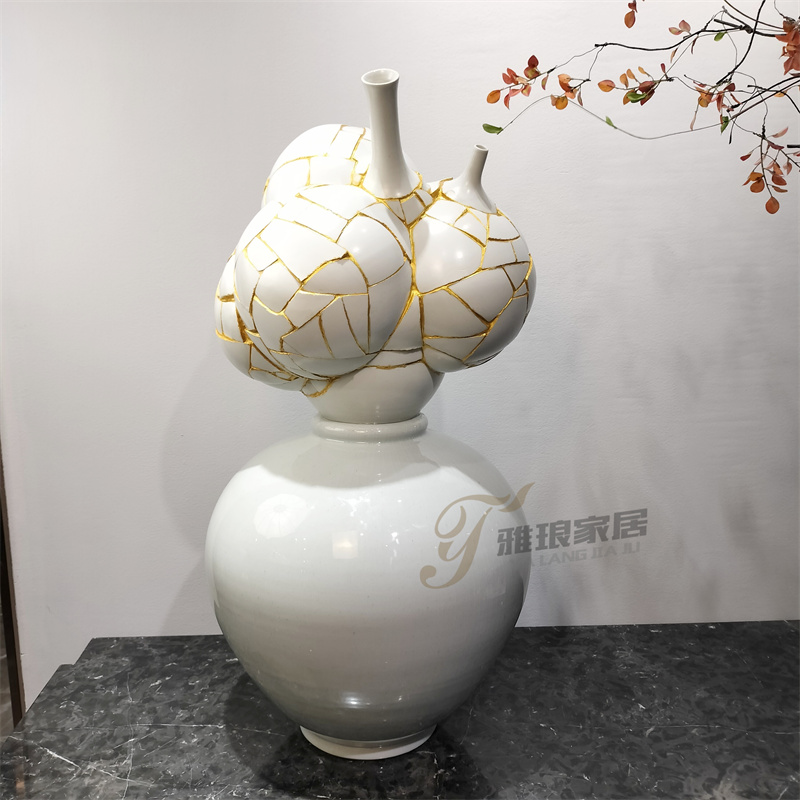
Cultural exchanges lead to unique artistic expressions. For instance, Japanese wabi-sabi philosophy promotes imperfection and beauty in irregular textures. This has inspired many Chinese artisans to embrace the beauty of flaws. They celebrate nature's unpredictability in their work. The result is ceramics that resonate with both local and international tastes.
Tips: When selecting ceramics, pay attention to cultural influences. Look for signs of collaboration in design. Consider pieces that tell a story, merging heritage with the present. Sharpen your eye for craftsmanship. Observe the finish, as it reveals the artist's intent and tradition.
Innovations in Glazing and Surface Finishes in China
Ceramic decoration trends from China have become increasingly influential. Innovations in glazing and surface finishes showcase a remarkable evolution. Chinese artisans incorporate unique techniques that enhance visual appeal. The use of vibrant colors and intricate patterns is notable. Each piece tells a story, reflecting cultural heritage in a modern context.
One innovation is the use of reactive glazes. These glazes produce spontaneous, intriguing effects during firing. The results can be unpredictable. Such variability invites exploration and creativity in design. Manufacturers should embrace this unpredictability as an opportunity to create unique works.
When sourcing ceramic products, focus on quality and craftsmanship. Pay attention to surface finishes that elevate a piece. Consider how light interacts with different textures. Not all finishes serve the same purpose. Some are purely aesthetic, while others enhance durability. Choose wisely to ensure long-lasting beauty.
Consumer Preferences and Market Demand for Ceramic Decor Worldwide
The global demand for ceramic decor is evolving, influenced by unique consumer preferences. Recent market analyses indicate that consumers increasingly favor products that blend functionality and aesthetic appeal. In particular, the rise of Geometric Ceramic Decoration Crafts is noteworthy. A significant 64% of buyers are drawn to the modern simplicity and clean lines these designs offer. This trend aligns with a broader shift towards minimalistic home decor choices observed over the past few years.
In addition to aesthetics, sustainability plays a key role. A report from the International Trade Centre suggests that over 70% of consumers are willing to pay more for eco-friendly ceramic products. This reflects a growing awareness about environmental responsibility in purchasing decisions. Sustainable sourcing not only attracts buyers but also fosters brand loyalty, making it essential for sellers.
Tip: Focus on promoting the story behind your products. Consumers appreciate a product's origin, especially if it emphasizes sustainability.
Colors and patterns also influence buying behavior. Earthy tones and nature-inspired designs are gaining popularity, as they create a calming atmosphere in homes. However, the challenge remains for manufacturers to balance tradition with contemporary demands. Adapting to these preferences while maintaining quality is vital for success.
Tip: Survey your customers regularly. Gathering feedback can help refine your offerings based on emerging trends.
Elevate Your Space: The Allure of Modern Sculptural Ceramic Vases in Minimalist Nordic Decor
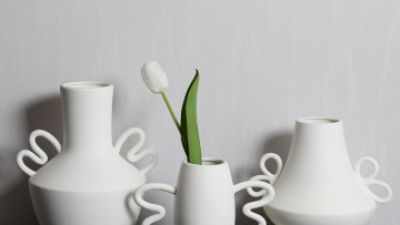
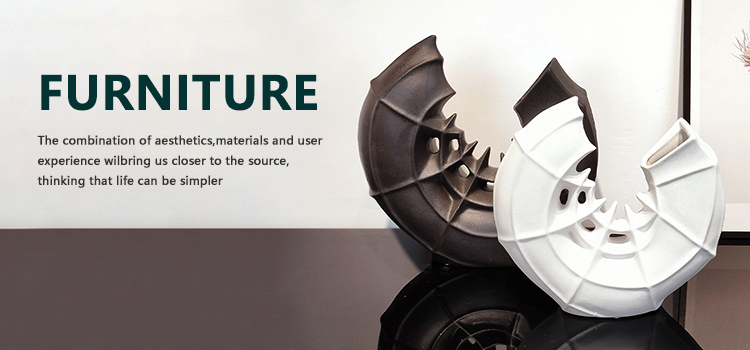
In the realm of minimalist Nordic decor, the allure of modern sculptural ceramic vases becomes evident as they transform ordinary spaces into captivating showcases of artistry and elegance. This sculptural ceramic vase set effortlessly embodies this aesthetic, featuring unique wavy squiggle handles reminiscent of delicate butterfly wings. Its smooth matte white finish not only enhances the vases' sophisticated look but also ensures they seamlessly blend with various design elements, making them a versatile addition to any room.
Available in three distinct silhouettes—tall, tapered, and bulbous—these vases allow for curated layered displays that can evolve with your decor. Their handcrafted organic forms guarantee that each piece is a unique work of art, adding a personal touch to your interior design. Whether filled with dried pampas grass, fresh florals, or displayed as standalone sculptures, they serve as striking focal points in living rooms, entryways, bedrooms, or office spaces. This statement collection embodies the essence of modern minimalism, inviting you to elevate your space with curated accents that celebrate both form and function.
FAQS
: Traditional elements like dragons, lotus flowers, and landscapes are commonly used in modern ceramics.
Bold colors and intricate patterns enhance the beauty of ceramics, attracting both collectors and casual buyers.
Brushstroke techniques pay homage to ancient calligraphy, enriching modern ceramic pieces with cultural significance.
Artists often struggle to balance innovation with cultural integrity, risking the loss of original narratives.
New ceramicists draw inspiration from historical figures, fostering dialogue between past and present.
No, mass production can lead to flaws, raising concerns about quality and authenticity among buyers.
Surface finishes enhance both the durability and aesthetics of ceramics, affecting how light interacts with them.
Reactive glazes produce unpredictable effects during firing, inviting creativity but also uncertainty.
Craftsmanship is crucial; it differentiates unique pieces and ensures the items resonate with their cultural roots.
Floral designs reflect traditional techniques and narrate cultural heritage, connecting with viewers on a deeper level.
Conclusion
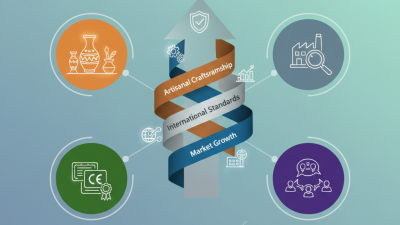
The article explores the latest trends in Ceramic Decoration emerging from China, highlighting their influence on global markets. It examines how traditional Chinese elements are being incorporated into contemporary designs, showcasing a blend of heritage and modernity. Sustainable materials and techniques have become a focus, reflecting a growing consumer preference for eco-friendly products.
Additionally, popular color schemes and patterns are identified, alongside the impact of global cultures on Chinese aesthetic values. The piece also discusses innovations in glazing and surface finishes that enhance the appeal of ceramic items. Ultimately, understanding these trends provides valuable insights for global buyers seeking unique and culturally rich ceramic decoration options in today's market.



 Home
 1Durch die gruppenweite Einführung und Harmonisierung unseres integrierten Managementsystems (IMS) werden alle bestehenden Unternehmens-, Qualitäts-, Umwelt- und Energiepolitiken durch diese Unternehmenspolitik ersetzt. Der Slogan „Textil hat Zukunft – auch in De