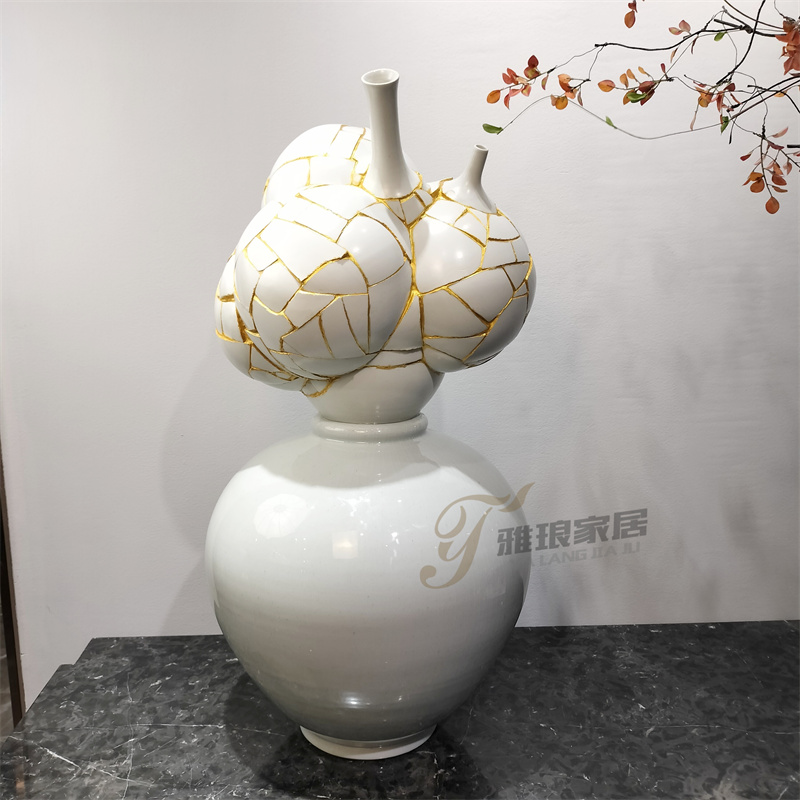
The ceramic décor industry has really been booming lately, mostly because more folks are looking for stylish ways to spice up their homes. I came across a Market Research Report from Global Industry Analysts that said the global ceramic tiles market hit around $350 billion back in 2022. That’s a huge figure! It also shows how people are increasingly into Wall Ceramic Decorations—adding a bit of artistry and personality to their interiors. If you check out thisWall Ceramic Decoration link, you'll see what I mean. It’s all about making spaces feel personal and unique.
James Thornton, who’s pretty well-known in this field, once pointed out, 'The beauty of Ceramic Decoration is how it combines practicality with artistry.' I think a lot of manufacturers are actually feeling that—you know, trying to come up with creative designs that appeal to all kinds of tastes. But, of course, it’s not all smooth sailing. Many companies are wrestling with eco-friendly sourcing and trying to keep up quality standards at the same time. It’s a tricky balance that needs constant innovation and investment into research, all while being mindful of the environment.
Looking ahead, the future of ceramic décor seems pretty promising. Still, consumer tastes are changing all the time, so companies are gonna need to stay flexible. Some might cling to old methods, but that could be a problem in today's competitive market. Adapting to new trends and focusing on eco-friendly options, especially in wall decorations, is essential if they want to stay relevant and grow. Basically, those who are willing to embrace change and innovate are more likely to thrive in the long run.

Overview of OEM CE Certification in Ceramic Decoration Industry
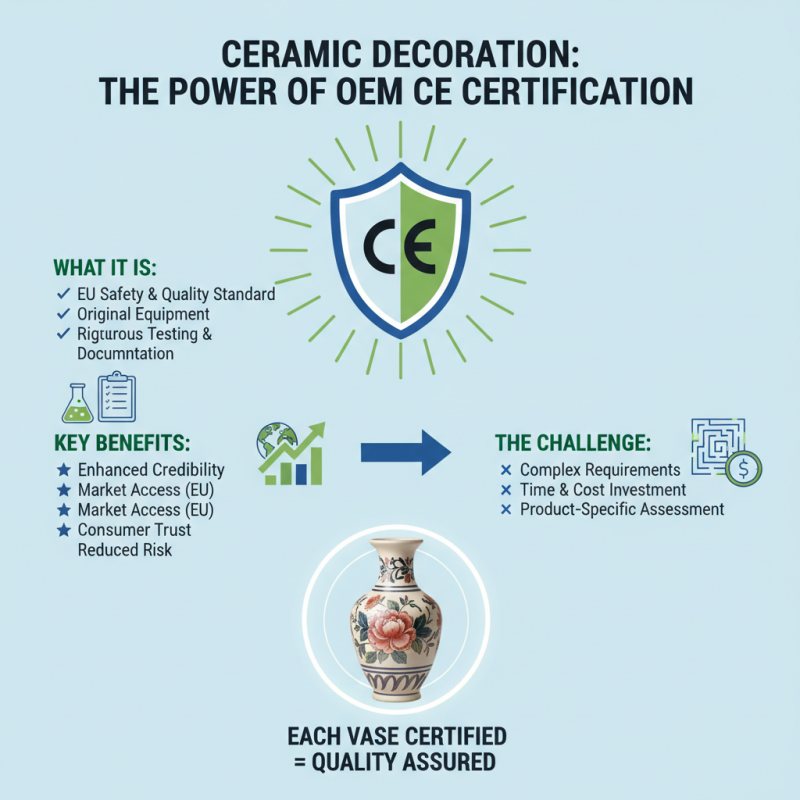
In the Ceramic Decoration industry, OEM CE certification plays a crucial role. It ensures that products meet safety and quality standards set by the European Union. Many manufacturers aim for this certification to enhance their credibility. However, achieving CE certification can be challenging. It requires thorough testing and documentation. EachCeramic Decoration Vase must undergo stringent assessments.
Factors like material quality and design impact the certification process. Some manufacturers struggle with understanding the exact requirements. This can lead to delays and increased costs. Often, it's the smaller companies that face these hurdles. They may lack the resources to navigate complex regulations. As a result, they might miss out on valuable market opportunities.
Additionally, continuous improvement is vital. Manufacturers must monitor changes in regulations. They should invest in training for their teams to ensure compliance. A proactive approach can prevent future complications. Striving for excellence in product quality and safety should be a priority. Ultimately, the goal is to create appealing Ceramic Decoration Vases that are both beautiful and safe for consumers.
Key Players in the Ceramic Decoration Manufacturing Sector
In the ceramic decoration manufacturing sector, several key players stand out. These manufacturers focus on producing high-quality Ceramic Decoration Items. They use advanced techniques to ensure durability and aesthetic appeal. Innovation plays a crucial role in their processes. However, the industry faces challenges in adapting to changing consumer preferences.
One significant player in this space emphasizes sustainability. They integrate eco-friendly materials in their ceramic decoration items. This approach resonates with a growing market that values environmental responsibility. Still, some manufacturers struggle to balance cost and sustainability. It’s a complex issue that requires ongoing reflection and adjustment.
Another aspect to consider is design trends. A focus on contemporary and traditional styles can attract diverse audiences. Yet, some manufacturers find it difficult to keep pace with rapid changes. Staying relevant is a constant battle. Exploring collaborations with artists can refresh product lines. This strategy may enhance creativity but also complicates production timelines. The ceramic decoration sector continues to evolve, demanding flexibility from all involved.
The Importance of Quality Assurance in Ceramic Decoration Products
Quality assurance plays a crucial role in the ceramic decoration industry. Quality controls ensure that the designs are vibrant and durable. This process is not as straightforward as it seems. Sometimes, colors may fade or patterns may smudge due to improper application techniques.
A thorough quality assurance system involves multiple stages. Each product undergoes inspections during production. Skilled technicians check for any inconsistencies in color and design. Yet, human error can still happen. A slight misalignment in decoration could ruin an otherwise perfect piece. It is vital to address these issues before products leave the factory.
Consumer safety is another aspect that cannot be overlooked. Ceramic items must be tested for harmful substances. This is not always done consistently. Manufacturers may overlook certain regulations, leading to unsafe products entering the market. It reflects a need for ongoing education and vigilance within the industry to ensure standards are consistently met.
Understanding the CE Certification Process for Ceramic Manufacturers
The CE certification process for ceramic manufacturers is crucial for accessing European markets. This certification indicates compliance with essential safety and environmental standards. According to a 2022 industry report, about 85% of consumers prioritize safety labels like CE. This underscores its significance in fostering consumer trust.
Navigating the CE certification process involves several stages. First, manufacturers must conduct a thorough risk assessment of their products. This step identifies potential hazards. Next, testing in accredited labs is necessary to ensure compliance with EU regulations. Surprisingly, many manufacturers overlook these essential tests. A failure to meet standards can lead to significant financial losses and reputational damage.
Documentation is another critical aspect. A technical file must be created to provide evidence of compliance. However, many manufacturers struggle to maintain consistent documentation. A 2023 survey revealed that nearly 30% of ceramics companies faced challenges in documenting their CE processes. This oversight could impact their market access. Overall, understanding the nuances of the CE certification process is essential for ceramic manufacturers aiming for success.
Challenges Faced by OEMs in Achieving CE Certification
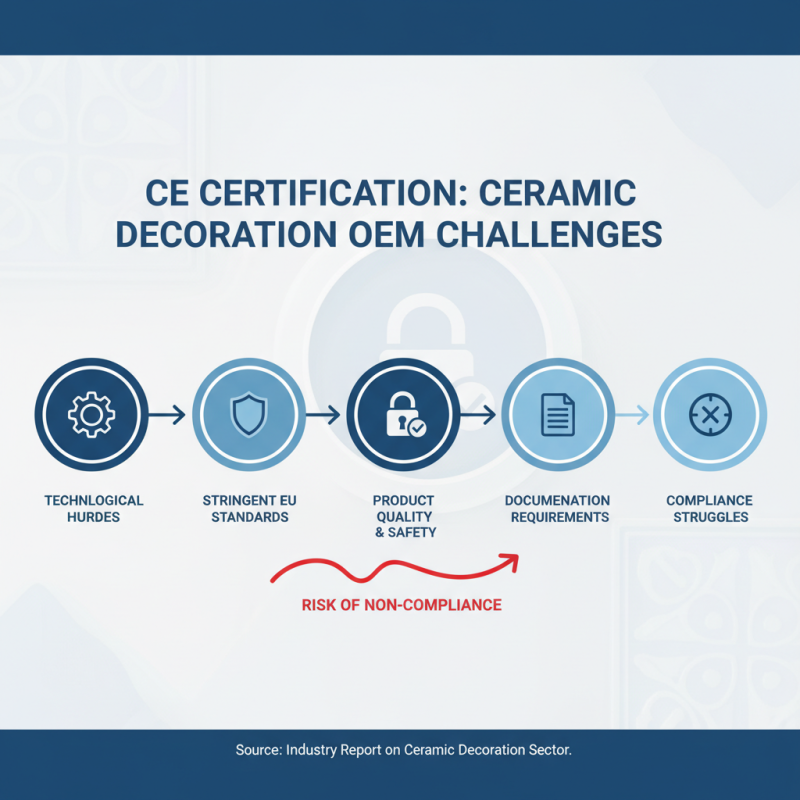
Achieving CE certification can be a daunting task for OEMs in the ceramic decoration sector. Many face technological hurdles. The standards set by EU regulations are stringent. Ensuring product quality and safety is critical but challenging. Companies often struggle with documentation requirements. This can lead to delays in the certification process.
One common issue is understanding the specific requirements for Home Ceramic Decoration Items. Each product might have different certifications. This makes it essential to stay informed. Not all materials will meet safety standards, and failure can mean costly revisions.
**Tips:** Consider investing in training for your team. Knowledge about CE standards can save time. Regularly review your processes to identify gaps. Collaborate with industry experts to enhance your understanding of compliance. Embrace a culture of continuous improvement. This can prevent unforeseen challenges in the future.
Emerging Trends in Ceramic Decoration Technology and Design
Emerging trends in ceramic decoration technology showcase innovative designs and techniques. One notable trend is the use of digital printing. This technology allows for intricate patterns that can be customized easily. Manufacturers can create unique products that cater to individual tastes.
Another trend gaining traction is sustainable materials. Eco-friendly ceramics appeal to conscious consumers. Manufacturers are exploring new materials that reduce environmental impact. However, the process may not be perfect yet. Finding the right balance between durability and sustainability is still a challenge for many.
Tips: Consider exploring various design software options. They help visualize ideas effectively. Also, attending workshops on new techniques can enhance skills. Experimenting with different materials can lead to unexpected results. Embrace imperfections; they often lead to innovative designs.
Future Outlook for CE Certified Ceramic Decoration Manufacturers
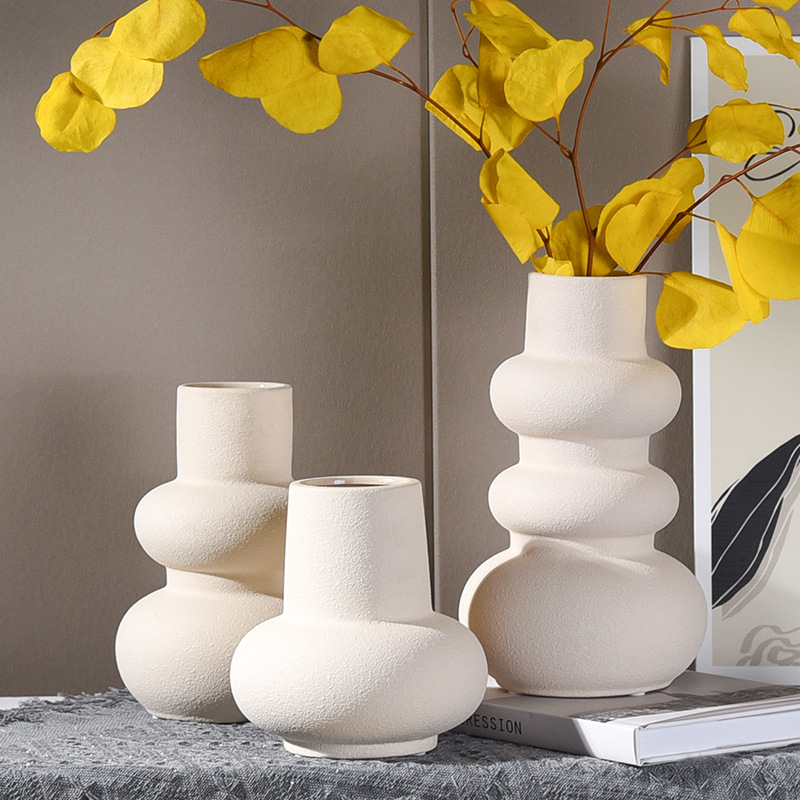
The future of CE certified ceramic decoration manufacturers appears promising but also challenging. Companies are increasingly adopting Geometric Ceramic Decoration Crafts to stay competitive. These unique designs attract consumers looking for innovative home decor solutions. However, staying ahead requires constant innovation and adaptation to market trends.
Many manufacturers face difficulties in sourcing sustainable materials. This is crucial as consumers become more conscious of their environmental impact. Balancing quality and sustainability is not easy. Furthermore, maintaining CE certification demands rigorous adherence to safety standards, which can be daunting for smaller players.
As the market evolves, collaboration among manufacturers could enhance creativity and efficiency. Sharing expertise in geometric ceramic decoration crafts might lead to distinctive products that stand out. Overall, the future hinges on innovation, sustainability, and collaboration, inviting reflective thoughts on how manufacturers can navigate these challenges.
Top OEM CE Certification Ceramic Decoration Manufacturer Insights
| Year | Market Growth (%) | Top Regions | Key Trends | Challenges Faced |
| 2021 | 5.2% | Europe, Asia | Sustainable Materials, Custom Designs | Supply Chain Disruptions |
| 2022 | 6.1% | North America, Asia | Innovative Printing Techniques | Increasing Raw Material Costs |
| 2023 | 7.4% | Asia, South America | Digital Integration, Eco-Friendly Practices | Regulatory Compliance |
| 2024 (Projected) | 8.0% | Europe, Middle East | Cross-Industry Collaborations | Talent Shortages |
Elevate Your Home Aesthetics with Modern Geometric Black & White Ceramic Vase Set
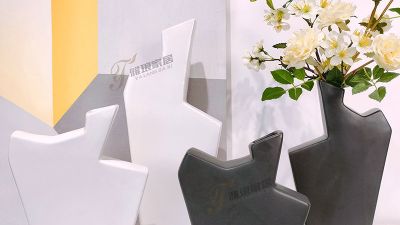
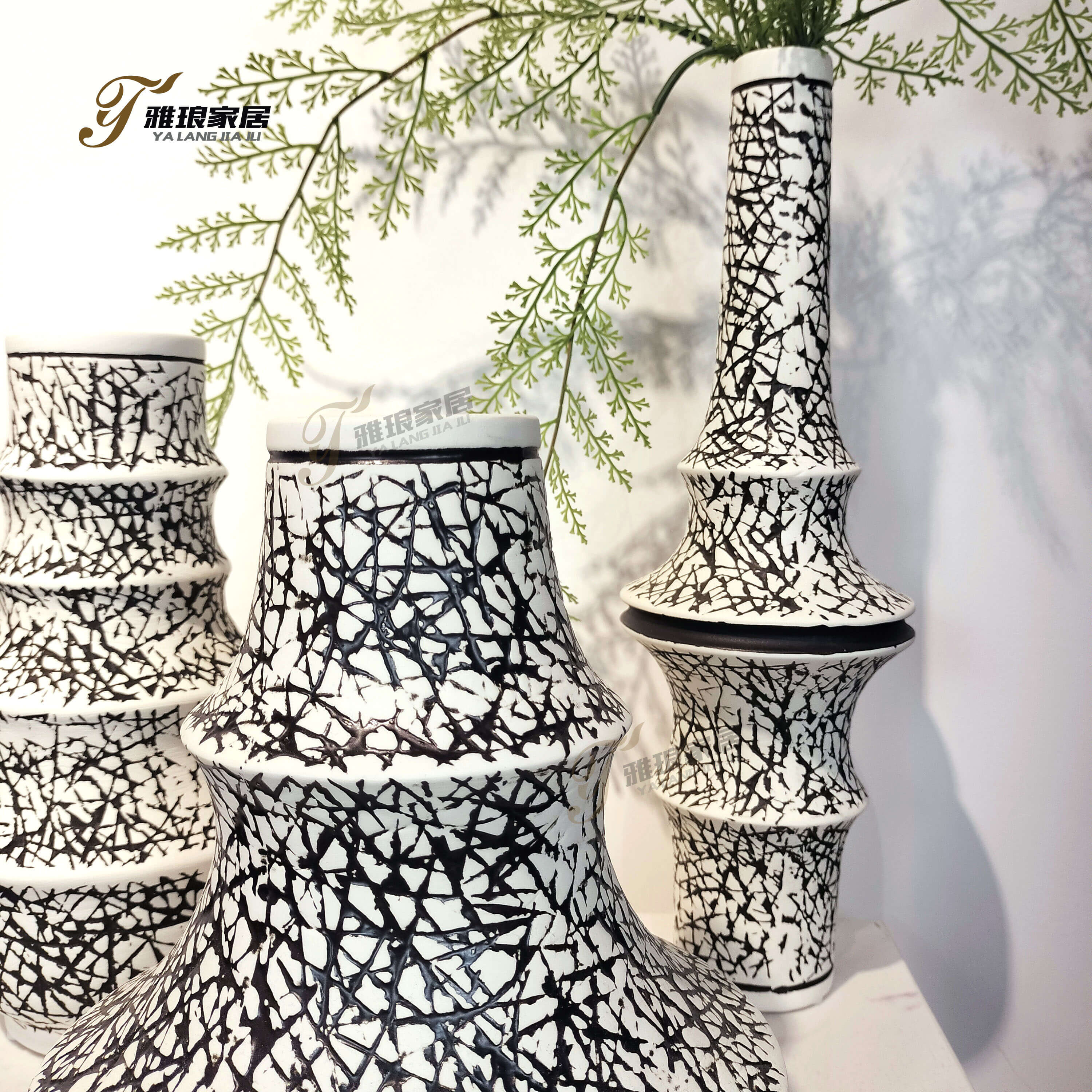
Transform your living space into a modern haven with a stunning geometric black and white ceramic vase set. These vases embody the perfect fusion of art and functionality, showcasing striking irregular shapes that serve as eye-catching decor pieces. Designed to enhance the aesthetic of any room—be it your living room, bedroom, or entryway—the unique forms and bold designs our vase collection offers are a testament to contemporary elegance.
Crafted from high-quality ceramic, these vases are not just for holding fresh blooms but also act as standalone artistic accents. Their sleek black and white tones effortlessly complement a variety of interior styles, allowing you to express your creativity and design sensibilities. Whether placed on a shelf, coffee table, or console, they invite admiration and provoke conversation, making them an ideal choice for design enthusiasts looking to elevate their home interiors with modern elegance. Rediscover the beauty of your space with vases that perfectly marry bold geometry with refined craftsmanship.
FAQS
: Define your goals clearly. Understand your resources and limitations.
Create a daily schedule. Prioritize tasks based on urgency and importance.
Miscommunication can lead to misunderstandings. Each member has different strengths and weaknesses.
Address issues openly. Encourage team members to share their perspectives.
Focus on communication and adaptability. These skills help in various situations.
Gather relevant information. Reflect on past decisions; learn from mistakes.
Feedback provides insights into what works and what doesn’t. Be open to criticism.
Set small, achievable goals. Celebrate your milestones to keep moving forward.
Feelings of exhaustion and lack of interest are common signs.
Set clear boundaries. Make time for relaxation and hobbies outside work.
Conclusion
The ceramic decoration industry has seen a significant focus on OEM (Original Equipment Manufacturer) CE certification, which ensures that products meet European safety and environmental standards. Key players in this sector are investing in quality assurance to enhance their offerings and establish trust with consumers. Understanding the CE certification process is critical for ceramic manufacturers, as it involves rigorous testing and compliance with regulatory requirements.
However, OEMs face several challenges in achieving CE certification, including adapting to evolving standards and maintaining production efficiency. Despite these hurdles, emerging trends in ceramic decoration technology, such as innovative design techniques and sustainable materials, are shaping the future outlook for CE certified manufacturers. As the market evolves, companies will need to navigate these trends while committing to quality to succeed in the competitive landscape of ceramic decoration.



 Home
 1Durch die gruppenweite Einführung und Harmonisierung unseres integrierten Managementsystems (IMS) werden alle bestehenden Unternehmens-, Qualitäts-, Umwelt- und Energiepolitiken durch diese Unternehmenspolitik ersetzt. Der Slogan „Textil hat Zukunft – auch in De