Home 


Ceramic Decorating really is such an interesting blend of craftsmanship and creativity, isn’t it? The global market for ceramics is expected to keep growing steadily, probably hitting around $300 billion by 2025. A big reason for this boom is that more and more industries—like home décor and tableware—are embracing ceramic materials. When you look at the major players out there, some companies truly stand out because they bring something new to the table with their innovative techniques.
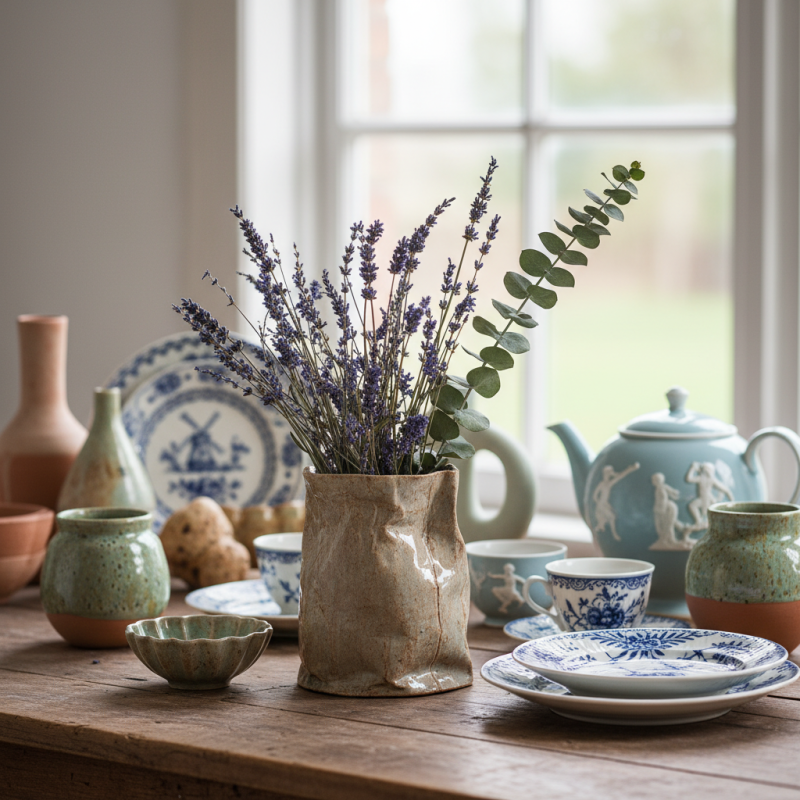
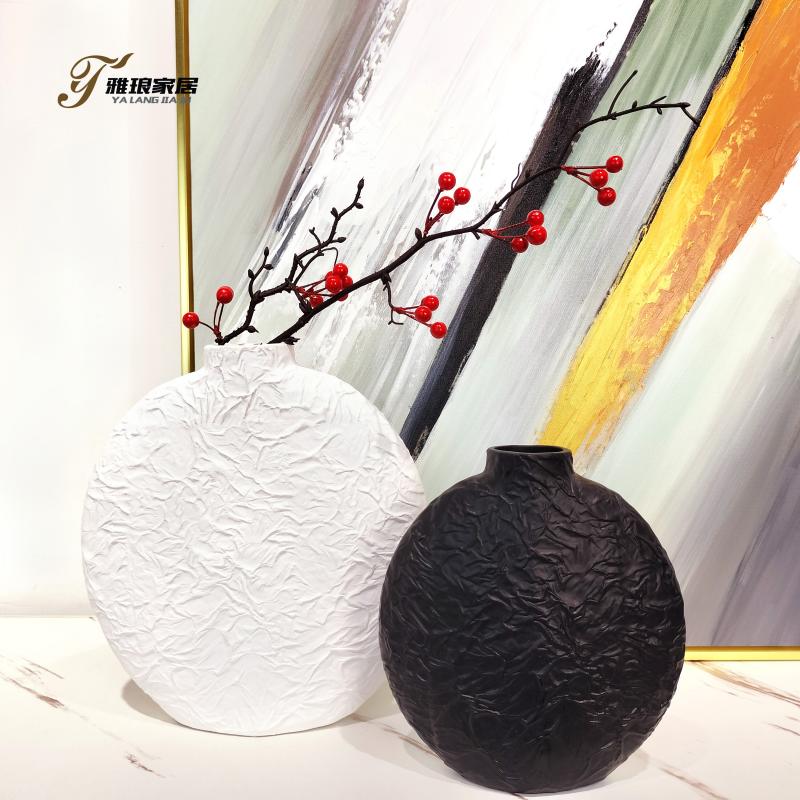
Take Royal Delft, for example—everyone loves their detailed blue and white patterns. And Wedgwood, which manages to blend old-school tradition with a modern twist. These brands show just how much ceramic art can elevate everyday items, like that Paper Bag Vase Ceramic. Of course, not all companies hit the same high notes. Some find it tough to keep up with new trends or to stand out in the crowded market.
Staying relevant in this industry is pretty crucial, especially since new players often have a hard time breaking through the reputation of already established names. Plus, sustainability is becoming more and more important. The industry could really benefit from putting more focus on eco-friendly practices. This article takes a look at the top ten Ceramic Decorating companies you should definitely know about—highlighting what they do well and where they could improve.
The Ceramic Decorating industry continues to flourish. It combinescreativity with craftsmanship. Artists and manufacturers breathe life into clay. Their work enhances aesthetics and functionality. Ceramic pieces like plates, mugs, and Artistic Ceramic Vases showcase unique designs.
Understanding this industry is essential. Many companies focus on traditional glazing techniques while others embrace modern methods. Techniques vary from hand-painting to digital printing. Each approach has its charm and challenges. The need for quality materials remains constant. Finding the right clay and colors can be tricky.
Tips for aspiring Ceramic Decorators:invest time in research. Learn about different clay types and glazes. Experiment with various tools to create texture. Remember, not every piece will turn out as planned. Reflect on mistakes to improve techniques. Stay patient and passionate; growth comes over time. Explore local workshops for hands-on experience. Connect with other artists to exchange ideas. The journey of Ceramic Decorating can be both challenging and rewarding.
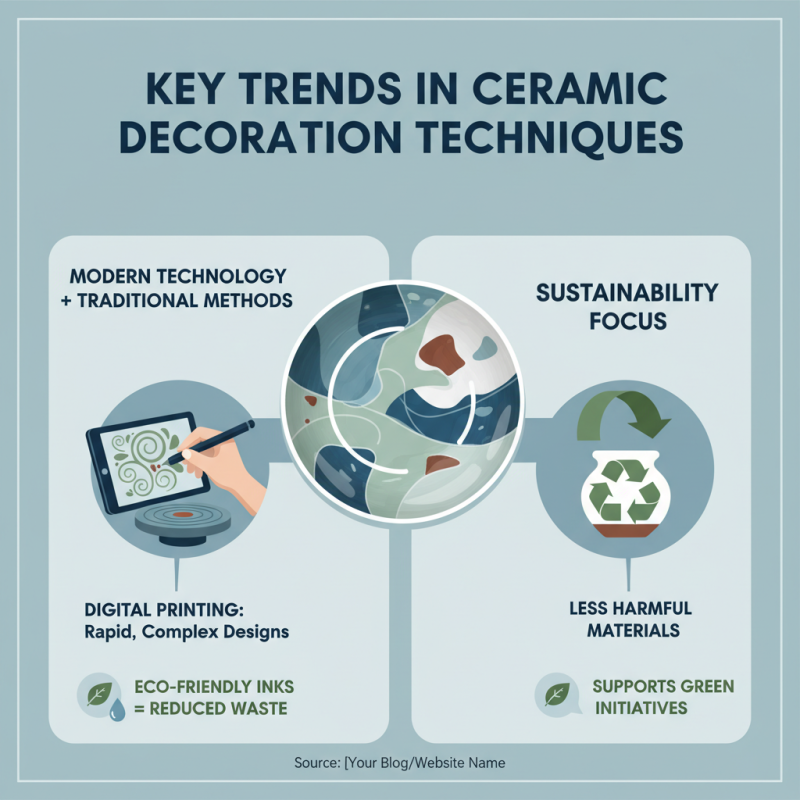
Ceramic Decoration has evolved significantly in recent years. Artists are now blending traditional methods with modern technology. Digital printing is one of the most influential techniques. It allows for intricate designs at a rapid pace. This method also supports sustainability. With eco-friendly ink choices, craftsmen reduce harmful waste.
Hand-painting remains popular too. Artists cherish the unique touch it offers. Each piece tells a story through its imperfections. This technique brings warmth and personality to ceramics. However, it can be time-consuming. The artist's skill plays a crucial role here.
Tips for Ceramic Decoration include experimenting with textures. Try layering glazes for depth. Also, consider using diverse color palettes to stand out. Remember, practice is key. Embrace mistakes as learning opportunities. Reflect on what works and what doesn’t. Don’t shy away from exploring new techniques. Each trial expands your capability in this vibrant art form.
When evaluating Ceramic Decorating companies, quality should be a top priority. Look for firms that showcase their craftsmanship. High-quality materials lead to vibrant and durable finishes. Evaluate the types of decoration techniques they offer. A good range should include hand-painting and digital printing. Each method has its unique charm and appeal.
Another key criterion is customer service. Companies need to be responsive and approachable. A quick response to inquiries reflects professionalism. Check reviews or testimonials from previous clients. These insights reveal the company's reliability and satisfaction rates. Additionally, consider their turnaround times and flexibility in accommodating special requests.
Pricing also plays a vital role, but it shouldn't be the sole factor. Compare costs while keeping an eye on quality. Sometimes, cheaper options may compromise craftsmanship. Understand the balance between price and quality is essential. A little research can help identify the right fit for your needs. This process requires time and reflection, ensuring you make an informed choice.
| Company Category | Location | Years Established | Specialization | Customer Rating |
|---|---|---|---|---|
| Residential Decor | USA | 1985 | Hand-painted Tiles | 4.7/5 |
| Commercial Decor | Italy | 1992 | Fine Porcelain | 4.5/5 |
| Artisan Craft | Spain | 2001 | Ceramic Vases | 4.8/5 |
| Tableware | Japan | 1978 | Ceramic Plates | 4.9/5 |
| Decorative Art | Australia | 2010 | Ceramic Mosaics | 4.6/5 |
| Architectural Design | France | 1980 | Custom Tiles | 4.4/5 |
| Handcrafted Goods | Mexico | 1995 | Ceramic Crafts | 4.5/5 |
| Tabletop Products | China | 1965 | Ceramic Dinnerware | 4.8/5 |
| Cultural Heritage | Portugal | 2005 | Traditional Ceramics | 4.7/5 |
| Luxury Goods | Sweden | 2018 | High-end Ceramics | 4.9/5 |
When exploring the world of ceramic decorating, it's essential to identify the key players in this vibrant industry. Each company brings distinctive techniques, materials, and innovations to the table. According to recent industry reports, the global market for ceramic decorating is expected to grow significantly over the next five years, driven by both artisan crafts and large-scale manufacturing.
One prominent trend is the demand for eco-friendly materials. Many leading companies are adopting sustainable practices to appeal to environmentally conscious consumers. This shift reflects a broader understanding of responsibility within the industry. However, not every company meets these standards. There's still a gap in truly sustainable practices among some manufacturers. An informed choice is vital.
Tips for selecting a ceramic decorating partner include assessing their design flexibility. Companies that showcase a diverse portfolio often display adaptability. Look also for those who invest in technology. Advanced printing techniques can elevate product quality and precision. However, don’t overlook those using traditional methods. These companies often provide a unique, handcrafted appeal that machines can’t replicate. Finding the right balance is crucial for any project.
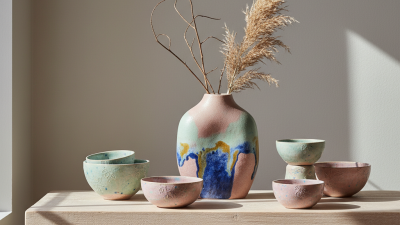
Ceramic painting and glazing have evolved in exciting ways. Artists explore new techniques and styles. Many create vibrant, Colorful Ceramic Vases that capture attention. These vases often feature unique patterns and intricate designs. Each piece tells a story, reflecting the artist's vision.
Innovative practices include using natural pigments and eco-friendly glazes. This trend aims to reduce environmental impact. Some artists experiment with alternative firing methods. These methods can yield unexpected results. As a result, some pieces turn out differently than initially planned. Artists embrace these imperfections, seeing them as part of the creative journey.
Collaboration is another key aspect of contemporary ceramic art. Different artistic backgrounds come together, sparking fresh ideas. Ceramics are not just functional items; they are also expressive art forms. However, balancing functionality and artistry can be challenging. Artists constantly reflect on their techniques and the messages behind their work. The journey of creating colorful ceramic vases is filled with learning and growth.
Sustainability is a growing focus in ceramic decoration processes. Many companies are exploring eco-friendly options. They aim to reduce waste and energy consumption. For instance, using water-based inks can drastically lower the environmental impact. According to a recent industry report, nearly 35% of ceramic producers are looking for sustainable practices.
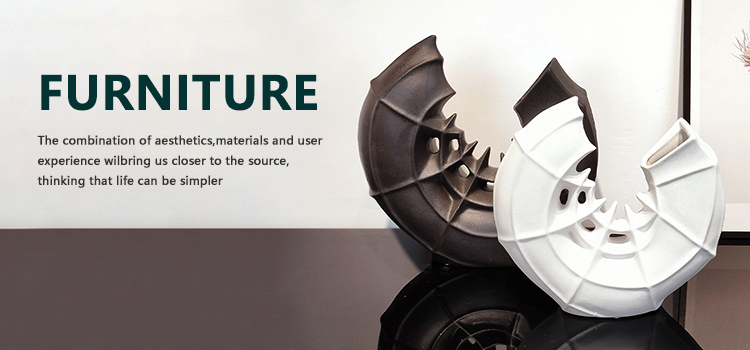
Recycling materials is crucial in the ceramics sector. Some companies utilize recycled clay and glazes, which helps minimize landfill waste. A study indicated that this practice could decrease carbon emissions by up to 40%. Transforming the traditional approach can lead to innovations like the Geometric Ceramic Vase. These designs often incorporate recycled materials while maintaining aesthetic appeal.
However, the transition to sustainable methods faces challenges. Costs can be higher, and some technologies are still developing. There’s a need for continuous improvement in supply chains. Feedback loops must be established to track sustainability progress. Not all attempts at eco-friendly decoration have been successful, highlighting the importance of reflection and adaptation in this evolving field. The journey towards sustainability is ongoing and requires dedication from all stakeholders.
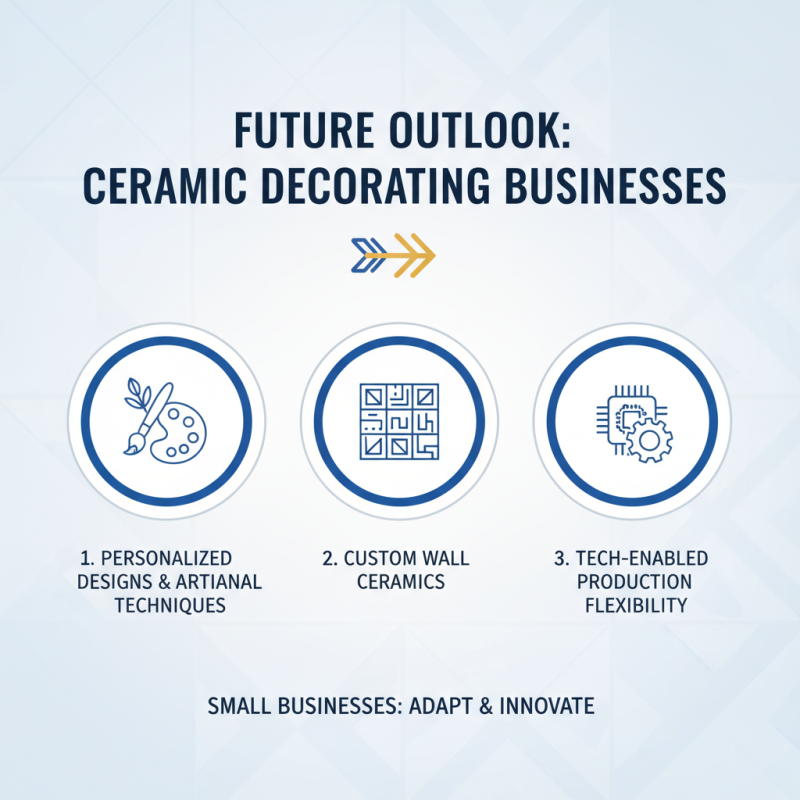
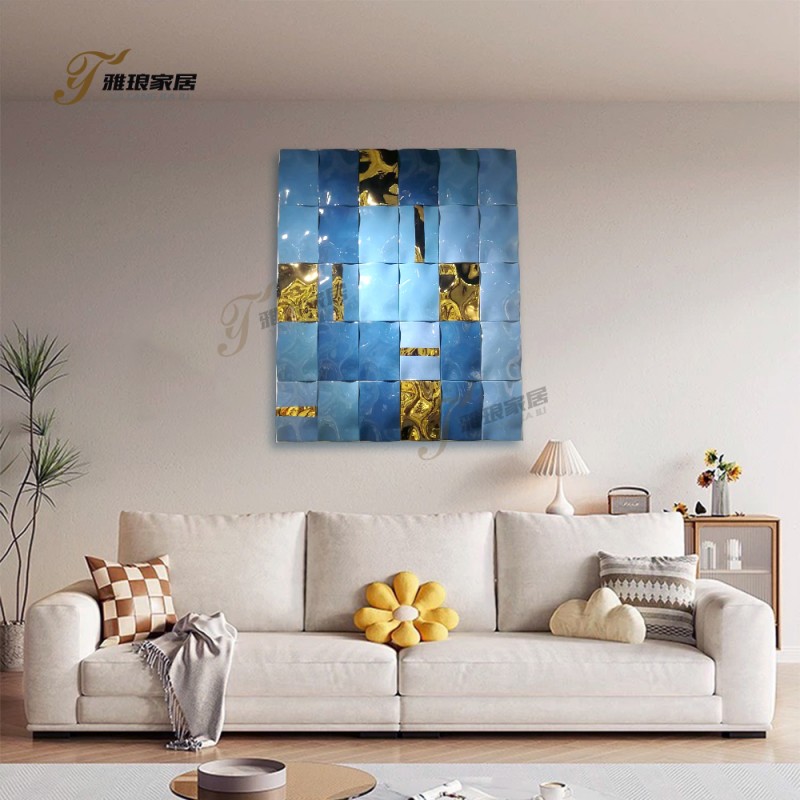
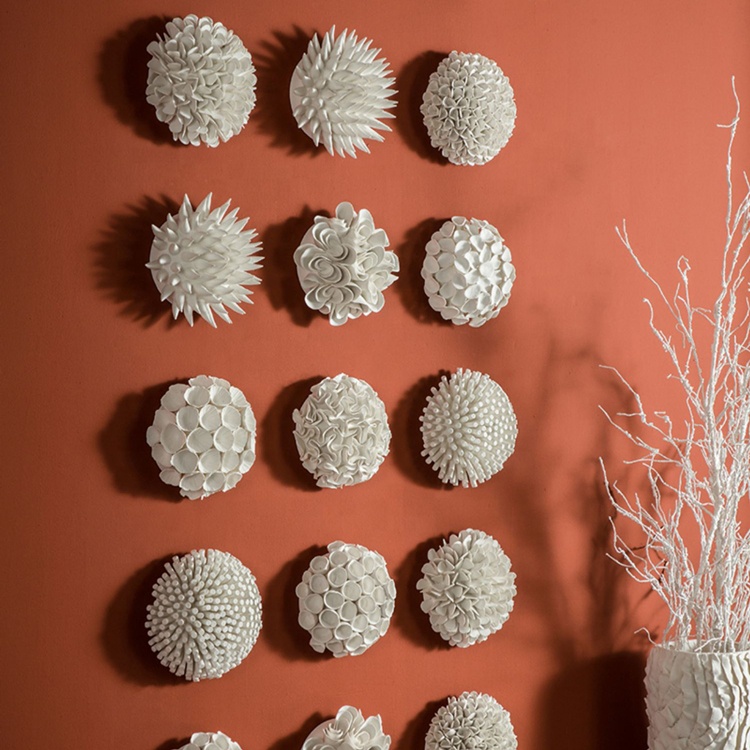
As the ceramic decorating industry evolves, several trends are emerging. Increased consumer demand for personalized design options is a notable shift. Artists are using innovative techniques to create unique pieces. This trend extends to Wall Ceramic Decoration, where customers seek individualized styles that reflect personal taste. New technologies enable production flexibility, making it easier for small businesses to cater to specific market needs.
Sustainability remains a critical focus. Many ceramic decorating companies are exploring eco-friendly materials and processes. However, not all brands prioritize this shift, leading to variability in environmental commitment. There’s much room for improvement across the industry. Moreover, the use of digital tools can enhance engagement with customers. Interactive platforms allow for a seamless design experience, but they often lack user-friendly interfaces.
Adapting to these challenges is essential for future growth. As companies innovate, some wilfully overlook the importance of tradition. Balancing modern demands with classic artistry can feel daunting. Yet, this balance offers a path toward long-term sustainability in ceramic decorating. Embracing change while respecting heritage might become the cornerstone for success in this vibrant industry.
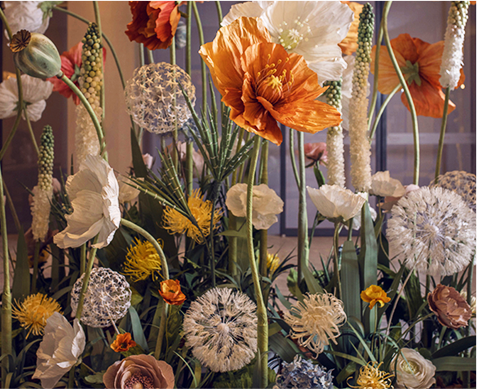
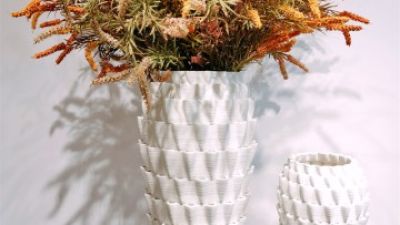
Elevate your living space with the stunning aesthetic of 3D printed ceramic vases that marry innovative design with artistic flair. The unique layered texture of these vases makes them not just functional decor items, but also captivating works of art. With their exquisite craftsmanship, each piece draws the eye, creating a captivating focal point in any room.
Imagine a tall vase elegantly filled with vibrant faux flowers, its intricate patterns beautifully contrasting with the colorful blooms. Placed alongside a smaller vase featuring the same exquisite design, the duo effortlessly enhances the surrounding decor. These vases embody a seamless blending of art and technology, offering a fresh perspective on home decor that adds a touch of sophistication and creativity to your environment. Transform your space into a gallery of modern elegance, where each glance at the vases sparks inspiration and admiration.
: Artists combine traditional methods with modern technology. Digital printing is prominent, enabling intricate designs quickly.
It utilizes eco-friendly inks, reducing waste. This approach is becoming essential for many craftsmen.
Hand-painting adds a unique touch. Each piece reflects the artist's personality and storytelling.
Experimenting with textures and layering glazes is crucial. Diverse color palettes can also make designs stand out.
Check their design flexibility and portfolio diversity. Innovative technology use enhances product quality and precision.
Many companies are shifting to eco-friendly practices, but not all follow suit. Research is important for informed choices.
There’s growing demand for unique pieces that reflect personal styles. Innovation helps meet specific market needs.
They enable interactive design processes. However, some tools lack user-friendly interfaces, which can be frustrating.
Maintaining classic artistry while embracing innovation can be difficult. This balance is vital for long-term success.
Mistakes provide valuable learning opportunities. Reflection on what works helps improve techniques over time.
The ceramic decorating industry is an evolving field characterized by innovative techniques and a push towards sustainability. Key trends include advancements in decoration methods such as digital printing and eco-friendly glazing processes that enhance both aesthetics and environmental responsibility. When evaluating a Ceramic Decorating Company, factors such as creativity, quality of techniques, and commitment to sustainability are essential.
The profiles of top Ceramic Decorating Companies reveal a diverse landscape where creativity meets craftsmanship. Many are adopting innovative practices to stay ahead, focusing on unique painting techniques and sustainable approaches that minimize waste. As the industry progresses, the future outlook indicates a growing demand for custom ceramic designs, with a continuous emphasis on environmentally friendly practices shaping the path forward for these businesses.