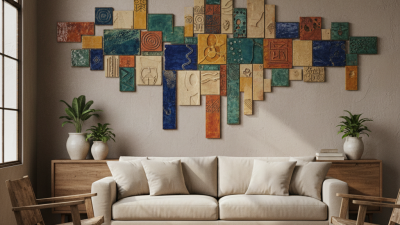
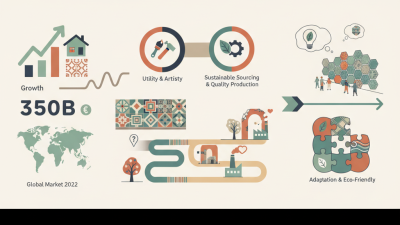
You know, as more and more people around the world start craving unique home decor, coming up with creative solutions has really become a must. One area that's been getting a lot of buzz lately is Ceramic Decoration, especially when it comes to wall pieces. If you’re into it, check outWall Ceramic Decoration – it’s pretty popular these days. Manufacturers are feeling the heat to innovate while also keeping up with production efficiency. For example, did you know that in 2022, the global ceramic market was worth over $300 billion? And a good chunk of that was all about home decor — definitely a huge segment.
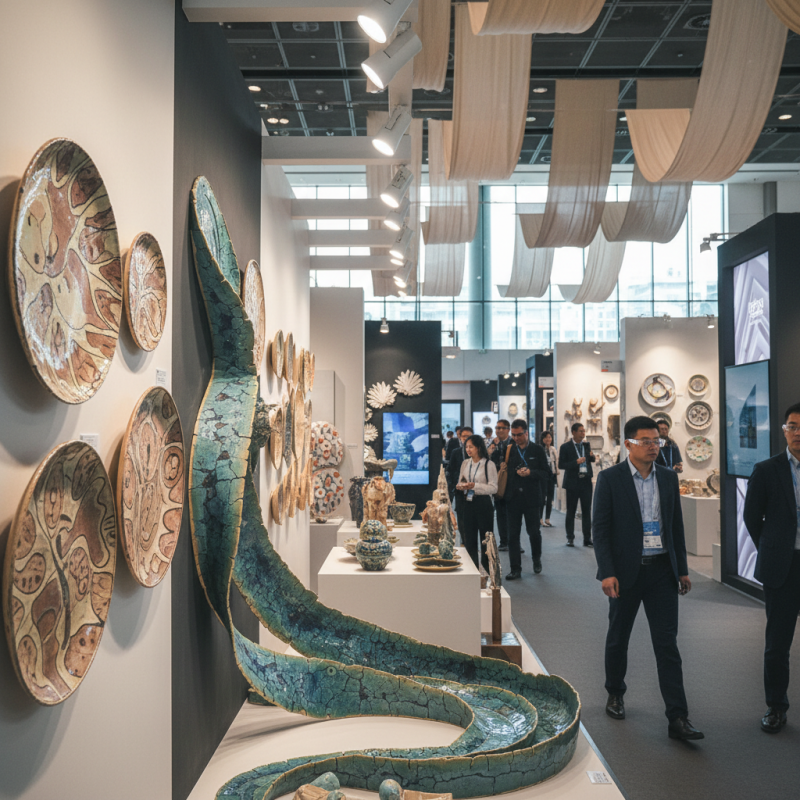
Looking ahead, the upcoming 2026 Canton Fair is shaping up to focus a lot on manufacturing advancements and eco-friendly materials. In this fast-changing arena, it’s really crucial for businesses to stay on their toes and adapt quickly. Luckily, AI tools are stepping in to help buyers pinpoint suppliers with the right certifications, making it easier to find those one-of-a-kind Ceramic Decoration ideas. Plus, smooth navigation systems at these events are a game-changer — they make exploring all the options a whole lot easier.
Of course, with all this growth, there are still some hurdles. Companies often struggle to balance cost and quality, and the rush to meet the latest trends can sometimes lead to designs that are a bit thrown together. It's important to keep these challenges in mind if we really want to move forward. Sometimes, embracing a bit of imperfection can lead to truly innovative wall ceramic designs that really speak to customers who know what they want. All in all, it’s an exciting time — just a matter of staying creative and adaptable.
Best Trends in OEM Custom Ceramic Decoration for 2026
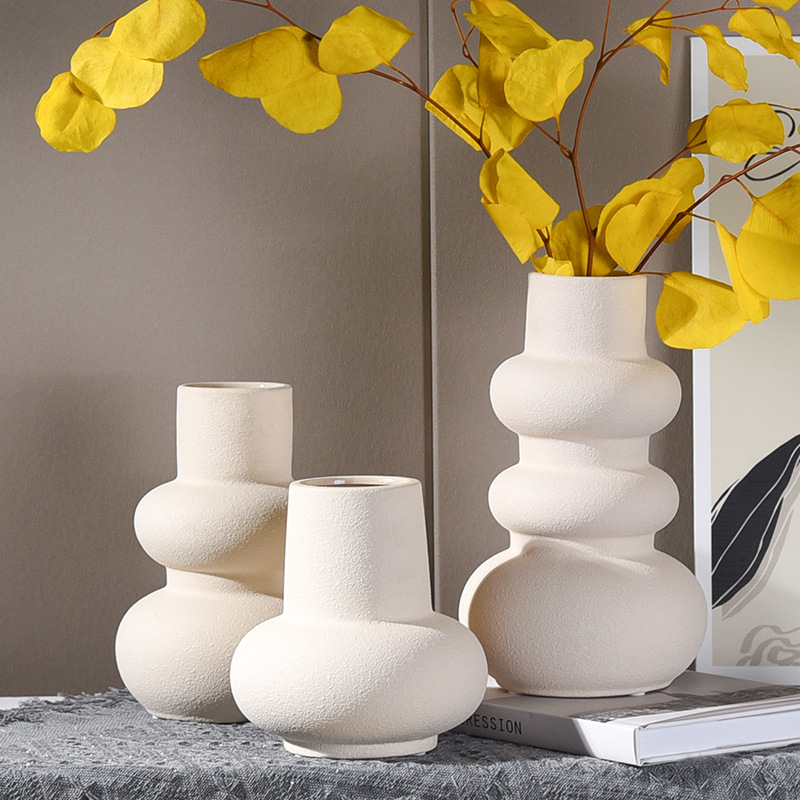
In 2026, the trends in OEM custom Ceramic Decoration are evolving rapidly. The market is increasingly focusing onsustainability. Reports indicate that 35%of consumers prefer eco-friendly materials. This presents a significant opportunity for businesses in the Ceramic Decoration sector. Customized designs that feature natural glazes are becoming more popular, adding an organic touch to pieces like theCeramic Decoration Vase.
Another notable trend is personalization. Consumers are looking for unique, one-of-a-kind items. A study found that 70% of buyers enjoy products that reflect their personality. This shift encourages artisans to explore diverse artistic styles and finishes, with many seeking hand-painted details that tell a story. However, quality control remains a challenge, as not all artists maintain the same standards in custom pieces. This inconsistency can lead to customer dissatisfaction.
Moreover, digital tools are shaping the design process. 60% of creators use software for visualization, allowing for instant adjustments and experimentation with color palettes. While this enhances creativity, it can also lead to over-saturation of the market. The key is to strike a balance between innovation and craftsmanship. In the end, the allure of a well-decorated Ceramic Decoration Vase lies not just in its design, but in the careful thought behind each piece.
Overview of Custom Ceramic Decoration Techniques and Materials
Creating custom Ceramic Decorations can elevate any home or gift. There are various techniques and materials to explore. Popular methods include screen printing, hand painting, and glaze application. Each approach offers unique outcomes.
Screen printing is efficient for large runs. It produces crisp designs with bright colors. However, it may lack the personal touch of hand painting. Hand painting allows for creativity and individuality. Each piece can become a work of art, yet it requires skill and time. Glazing not only enhances aesthetics but also adds durability.
Tips: When selecting materials, consider the intended use. Some glazes are food-safe, while others are purely decorative. Test a small batch to ensure it meets your expectations. Remember, imperfection adds character. Overlooked details can sometimes lead to beautiful results. Embrace flaws; they tell a story of creation.
Top Industries Utilizing Custom Ceramic Decoration in 2026
Custom ceramic decoration is gaining traction across various industries in 2026. Companies are exploring unique designs for marketing and branding. Customized Ceramic Decoration Items are being used not just for aesthetic appeal but also for functional purposes. The versatility of these items makes them ideal for various sectors.
In the hospitality industry, custom ceramics sit beautifully on dining tables. Restaurants use personalized plates and cups to enhance their dining experience. However, some businesses struggle with the balance between design and functionality. While intricate patterns may attract customers, they can complicate production. It's crucial to consider the practicality of these Ceramic Decoration Items.
In retail, businesses capitalize on the emotional connection consumers feel toward custom ceramics. Personalized home decor items resonate with customers, driving sales. Yet, not every design sells well. The challenge lies in predicting trends. Marketers must adapt to shifting consumer preferences. It's a tricky process of trial and error but offers valuable lessons in consumer engagement.
Cost Analysis: Breakdown of Pricing for Ceramic Decoration Services
When considering ceramic decoration services, cost analysis is key. Many factors influence pricing. For instance, the complexity of the design and the materials used can significantly affect the final bill. Basic designs may start at around $20 per item. However, intricate patterns or custom requests can push prices to $100 or more.
Home Ceramic Decoration Items often require a detailed approach. If you're looking for custom glazes or special finishes, expect added charges. It's essential to request a detailed quote before starting. Make sure the plan includes all aspects, like shipping and handling costs.
Pricing may not include every detail, leading to unexpected expenses. Clarity is critical. Some might overlook the importance of a well-structured breakdown. It can lead to confusion later on. Always demand transparency in pricing. Knowing what you're paying for ensures satisfaction with the final product.
Factors Influencing Pricing in the Custom Ceramic Market
When considering custom ceramic decorations, several factors influence pricing. Material quality plays a key role. High-grade clays and glazes can elevate costs significantly. Additionally, the complexity of the design affects pricing. Intricate patterns or custom shapes require more time and skilled artisans. Simple designs might be more budget-friendly but can lack uniqueness.
Production techniques also impact price. Hand-crafted items typically cost more than mass-produced ones. The labor involved in handmade ceramics is reflected in the final price. While automated processes save time, they may compromise the personal touch. Customers often seek that unique flair, resulting in a price increase.
**Tip:** When budgeting for custom ceramics, consider the size and quantity. Larger orders may reduce the cost per item, improving overall value.
Another consideration is market demand. Seasonal trends can drive prices higher for specific designs. Timing your orders can lead to better deals. Custom ceramics offer endless creativity but can be tricky to navigate financially. Balancing quality and cost is essential for a successful purchase.
2026 Best OEM Custom Ceramic Decoration Ideas and Pricing Overview
Case Studies: Successful OEM Custom Ceramic Decoration Projects
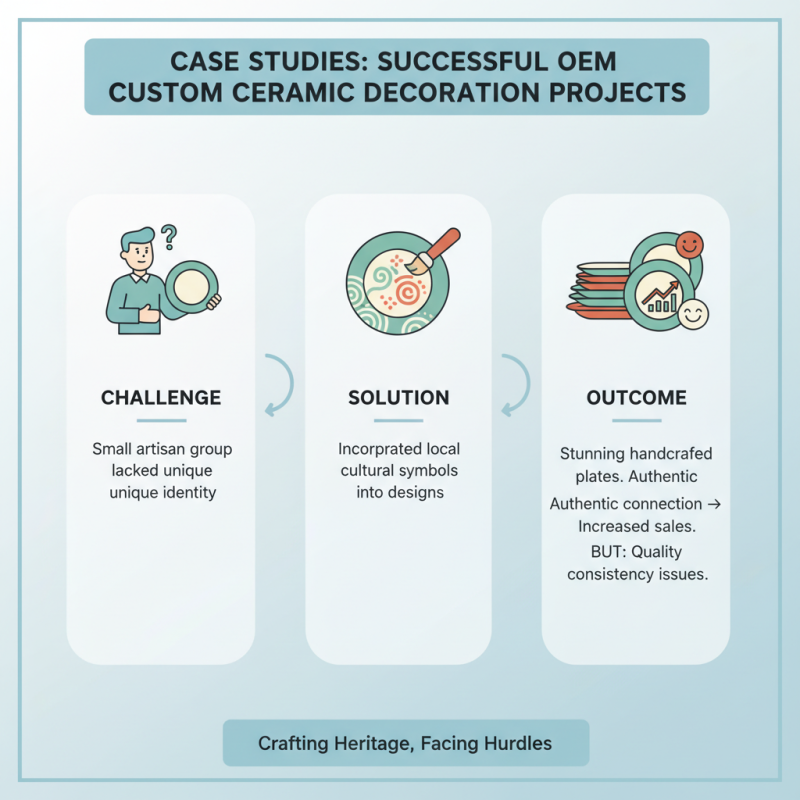
In the world of OEM custom ceramic decoration, success stories abound. One project involved a small artisan group that struggled to establish a unique identity. They decided to incorporate local cultural symbols into their designs. The result was a stunning series of handcrafted plates that captured the essence of their heritage. Customers appreciated the authentic connection, leading to increased sales. However, maintaining consistency in quality proved challenging.
Another case featured a home décor company looking to innovate. They embraced bold colors and abstract patterns. Initially, the response was lukewarm. Many felt the designs were too avant-garde. The team reflected on the feedback and reworked their approach. They simplified some patterns and focused on color combinations that appealed to broader tastes. The revamped collection not only attracted new buyers but also reignited interest from previous customers.
These projects highlight the importance of adaptability in ceramic decoration. Each idea must resonate with potential buyers while reflecting the creator's vision. Even successful projects often require adjustments based on market response. Embracing imperfection and refining ideas can lead to unexpected triumphs.
Predicted Market Growth and Demand for Ceramic Decor in 2026
As the market for ceramic decor continues to evolve, 2026 is expected to witness significant growth. Industry reports suggest a compound annual growth rate of 5% in the ceramic decor sector. This growth is driven by rising disposable incomes and a growing interest in home personalization. Consumers are increasingly looking for unique and custom pieces, with a notable uptick in the demand for Geometric Ceramic Decoration Crafts.
Data indicates that younger demographics, particularly millennials and Gen Z, are leading this trend. They value creative and sustainable home decor. Custom pieces that reflect personal style and innovation are in high demand. In addition, online platforms for handmade and unique items are gaining popularity, allowing creators to showcase their skills.
Tip: Focus on sustainable materials to attract eco-conscious buyers. Consumers appreciate craftsmanship and local production.
Despite the promising outlook, challenges remain. The ceramic market faces difficulties such as fluctuating raw material prices and increased competition from alternative decor forms. It's essential to maintain quality and originality in designs. The emphasis should be on storytelling through each piece, ensuring it resonates with buyers on a personal level. This attention to detail can help overcome market saturation, making unique ceramic decor a cherished addition to any space.
2026 Best OEM Custom Ceramic Decoration Ideas and Pricelist Guide
| Decoration Ideas | Average Price ($) | Predicted Market Growth (%) | Expected Demand (Units) |
| Hand-Painted Ceramic Plates | 35 | 6.5 | 150,000 |
| Customized Ceramic Mugs | 15 | 7.0 | 250,000 |
| Decorative Ceramic Vases | 50 | 5.0 | 100,000 |
| Ceramic Coasters with Custom Prints | 20 | 8.2 | 200,000 |
| Personalized Ceramic Tiles | 25 | 9.5 | 180,000 |
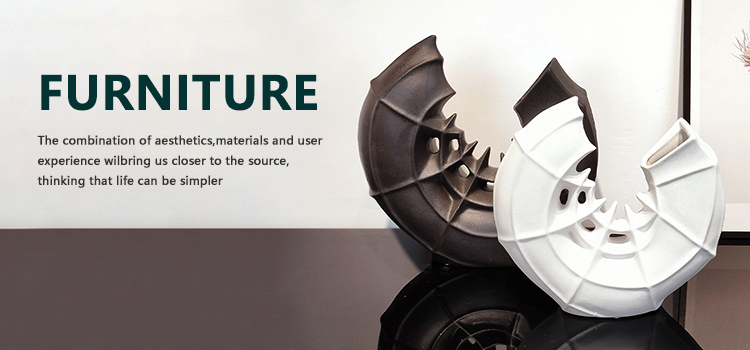
Transforming Spaces: The Art of Abstract Curved Ceramic Vases in Black and White for Lively Home Decor
In the realm of home decor, abstract curved ceramic vases stand out as captivating artistic pieces that breathe life into any space. The interplay of black and white in these vases not only embodies a modern aesthetic but also serves as a canvas for vibrant botanical life. A black vase filled with lively orange-red foliage creates a stark yet harmonious contrast, drawing the eye and enhancing the ambiance of living rooms, shelves, or mantels. The unique, flowing shapes of these vases epitomize contemporary design, ensuring they are not just containers, but sculptural statements that evoke intrigue and sophistication.
The beauty of abstract ceramic vases lies in their versatility. Whether placed atop a sleek coffee table or nestled among books on a shelf, these pieces infuse energy into the environment. Their elegant lines and bold colors encourage playful arrangements, allowing homeowners to experiment with different styles and themes. Not only do these vases serve as decorative accents, but they also invite nature indoors, bridging the gap between art and organic elements. Embracing the art of abstract design, these vases redefine spaces with grace and modernity, making them essential pieces for contemporary home decor.
FAQS
: Sustainability and personalization dominate the market. Consumers prefer eco-friendly materials and unique designs that reflect personal styles.
Quality control is crucial. Not all artists maintain consistent standards, leading to potential customer dissatisfaction.
Popular methods include screen printing, hand painting, and glaze application. Each offers unique aesthetics and experiences.
A high percentage of consumers seek personalized items. Unique pieces resonate more and can enhance emotional connections to products.
Balancing design with functionality is difficult. Complex designs can attract customers but may complicate production processes.
Digital tools enhance creativity and allow for quick adjustments. However, they risk oversaturation in the market if used excessively.
Choose materials based on intended use. Some glazes are food-safe, while others serve decorative purposes only.
Imperfections add character to pieces. Sometimes, overlooked details can lead to unexpectedly beautiful results.
Customized ceramics enhance dining experiences. They add artistic flair to tables but must remain practical for use.
Trends change frequently. Marketers must learn through trial and error to keep up with shifting consumer interests.
Conclusion
The article "2026 Best OEM Custom Ceramic Decoration Ideas and Pricelist Guide" explores the latest trends in ceramic decoration and provides a comprehensive overview of techniques and materials. As 2026 unfolds, various industries are increasingly adopting innovative ceramic decoration ideas to enhance their products, showcasing the versatility and artistic potential of this medium.
In addition to examining the cost analysis and factors influencing pricing for ceramic decoration services, the article highlights successful case studies that demonstrate the effectiveness of custom designs. It concludes with insights into the predicted market growth and demand for ceramic decor in 2026, emphasizing the importance of staying updated with emerging trends to leverage opportunities in the marketplace.



 Home
 1Durch die gruppenweite Einführung und Harmonisierung unseres integrierten Managementsystems (IMS) werden alle bestehenden Unternehmens-, Qualitäts-, Umwelt- und Energiepolitiken durch diese Unternehmenspolitik ersetzt. Der Slogan „Textil hat Zukunft – auch in De