 Home



How Does Clay Transform Into Ceramic Art? A Complete Guide to the Production Process
Have you ever wondered how those delicate porcelain pieces in museums or the elegant tableware in your home start as nothing more than ordinary clay? From loose minerals to hardened finished products, what kind of "transformation" does ceramic undergo? This article will take you into the fascinating world of ceramic production, breaking down every step from raw materials to the final creation.
Why Are Ceramic Raw Materials So Picky?
The quality of ceramic is determined the moment raw materials are selected—not just any dirt can be turned into ceramic. High-quality materials must meet strict compositional standards:
Kaolin: Why is it called the "backbone" of ceramic? This clay, rich in aluminum oxide, has unique plasticity and heat resistance, keeping ceramic stable in shape even after high-temperature firing.
Feldspar: As the "flux" in ceramic, what does it do? Feldspar lowers the melting point of raw materials, making the ceramic body denser and stronger.
Quartz: How does it affect ceramic hardness? Adding quartz significantly boosts ceramic’s wear resistance and strength—it’s a key ingredient in many industrial ceramics.
How do modern ceramic companies screen raw materials? They use technologies like X-ray fluorescence analysis to test ingredient compositions with precision, ensuring consistent quality across every batch.
How Many Steps Does Ceramic Production Involve?
Turning a lump of clay into ceramic requires over a dozen detailed steps, and each one impacts the final quality:
- Raw Material Processing: How to Make Clay "Cooperative"?
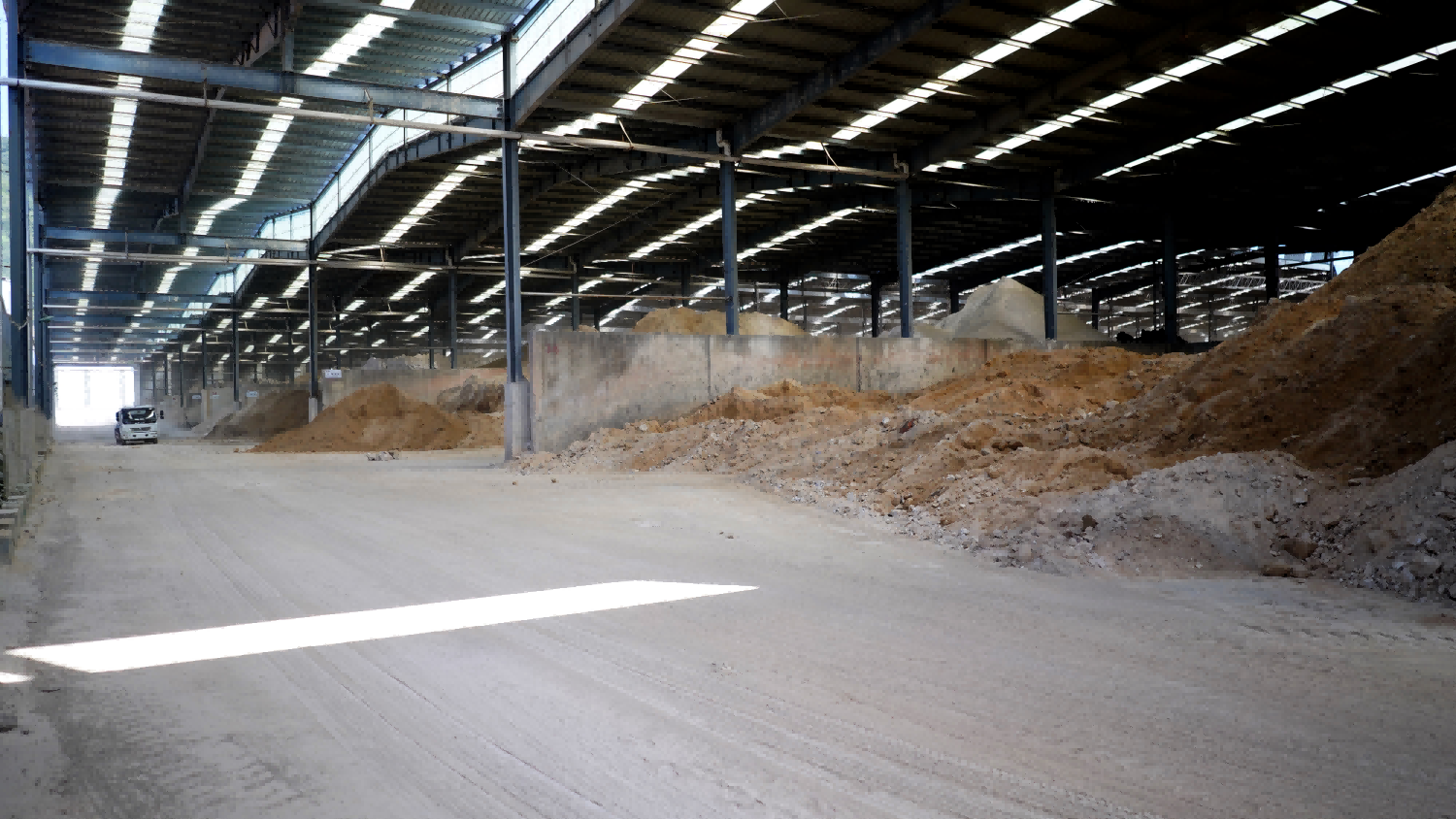
First, raw materials are crushed and ground into fine powder or slurry. Ball mills are the star equipment here—they grind materials down to a micron-level fineness. Why go to such extremes? The finer the particles, the smoother the ceramic surface and the stronger the final product.
- Shaping: How Does Ceramic Get Its Desired Form?
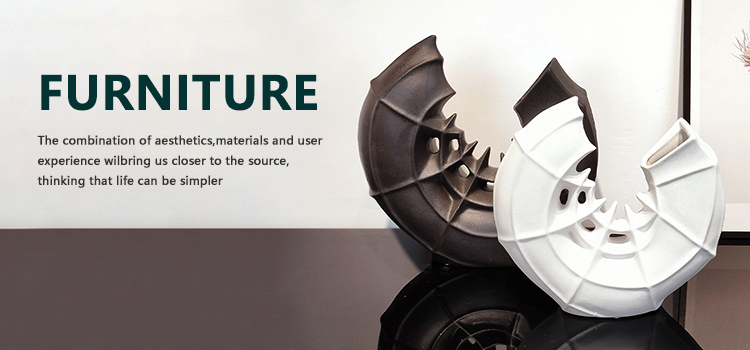
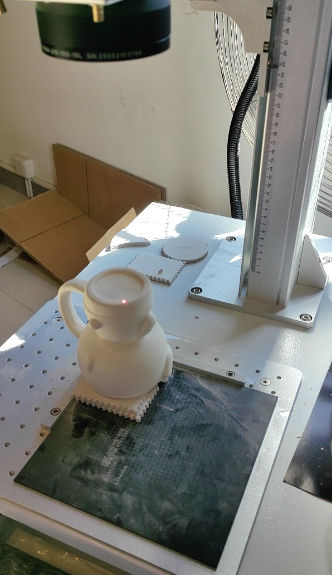
What are the common shaping methods? Slip casting works well for complex shapes like vases; dry pressing is mostly used for tile production; and hand-throwing— the soul of traditional pottery—gives pieces a unique artistic touch. Modern companies even use 3D printing to create intricate structures that traditional techniques can’t achieve.
- Drying: Why Can’t We Rush This Step?
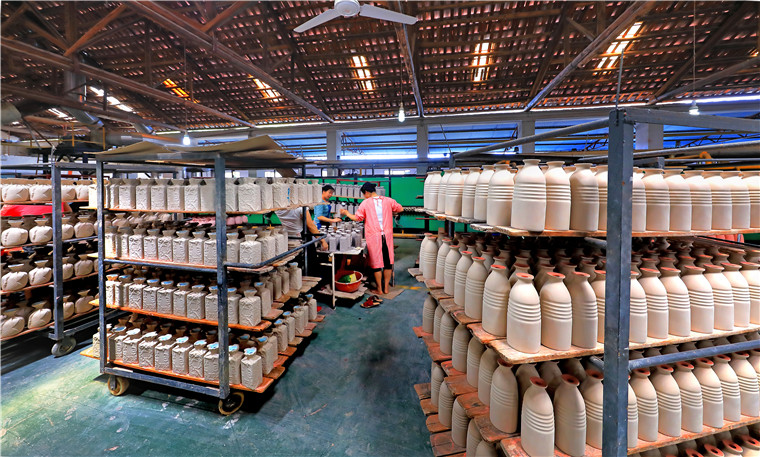
Freshly shaped ceramic bodies are full of moisture—firing them directly would cause cracking. How to control the drying process? Factories use gradual drying rooms, where temperature and humidity are precisely regulated to let moisture evaporate slowly. This usually takes several days.
- Glazing: Where Does Ceramic’s Shine Come From?
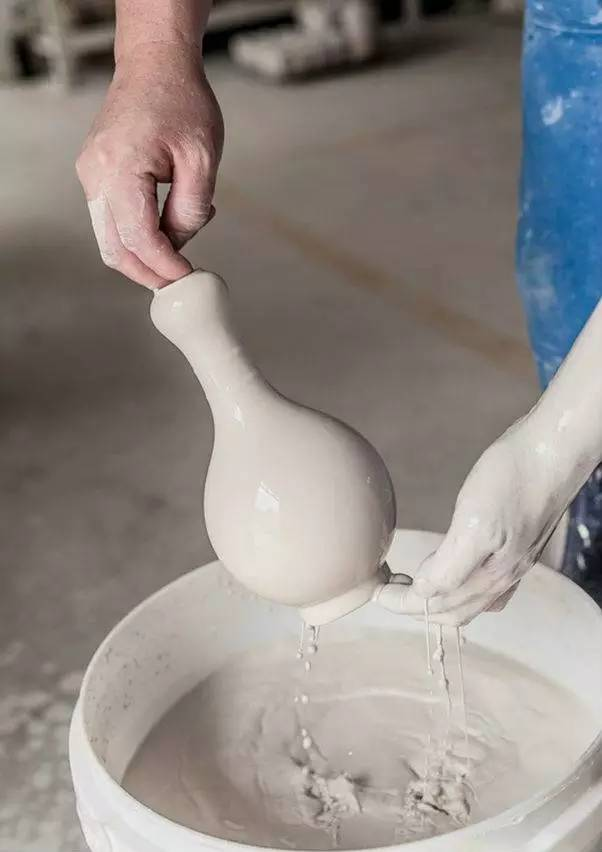
Glaze is like ceramic’s "coat," made from ingredients like quartz and feldspar. Glazing methods include dipping, spraying, and brushing—each creates a different surface effect. Did you know? Some artistic ceramics get multiple layers of glaze and go through repeated firings to achieve rich colors and textures.
- Firing: Ceramic’s "Rebirth"
Kilns are the "heart" of ceramic production, and temperature control is make-or-break. Different ceramics need different temperatures: earthenware fires at 800–1100°C, while porcelain requires 1200–1400°C. Why does temperature matter so much? At high heat, raw materials undergo a series of chemical reactions, forming new crystalline structures that turn loose clay into hard ceramic.
Modern kilns now offer precise temperature control—some can even maintain accuracy within ±1°C. Meanwhile, traditional methods like wood-firing rely on the kiln master’s experience to regulate heat, making every piece one-of-a-kind.
How Does Ceramic Production Balance Tradition and Innovation?
In today’s tech-driven world, do we still need traditional craftsmanship for ceramic production? Absolutely. Many high-end ceramic products still keep handcrafted steps. For example, Japan’s Bizen-yaki and China’s Ru porcelain owe their unique charm to artisans’ handwork.
At the same time, technology is pushing the ceramic industry forward. Automated production lines boost efficiency, and new materials expand ceramic’s uses—from heat-resistant tiles on space shuttles to bioceramic dentures, ceramic is integrating into modern life in exciting new ways.
How to Spot High-Quality Ceramic?
Everyday consumers can use simple tricks to judge ceramic quality: Check if the surface is smooth and free of defects; tap it— a crisp sound means higher vitrification (the more crisp the sound, the better); and look at water absorption (top-tier ceramic barely absorbs water at all). These tips will help you make smarter choices when buying ceramic products.
From clay to art, every step of ceramic’s transformation is a mix of human wisdom and craftsmanship. Whether it’s preserving traditional techniques or embracing modern innovation, this ancient material keeps shining with new vitality. Next time you hold a ceramic piece, you might just see it with a newfound appreciation.